






























The traditional office setting is changing. More and more employees are ditching their workstations. This is a major concern in the US. According to a 2023 NPR report, about 1 in 5 office spaces are vacant nationwide. Simply put, this figure is worse than the vacancy levels during the 2008 worldwide financial meltdown.
As a result, banks have non-performing office loan debt exceeding $1 trillion. This is why people are embracing flexible workspaces. These spaces offer adaptable solutions to suit different needs and work styles. Moreover, they are a step up from the rigid, long-term office leases of the past.
Flexible workspaces are increasingly popular and for a noble cause. They provide businesses and individuals with cost-effective, customizable environments, aligning perfectly with evolving work trends like remote and hybrid roles. With a surge in demand for such spaces in 2024, flexible offices are not just a passing trend.
Join The European Business Briefing
New subscribers this quarter are entered into a draw to win a Rolex Submariner. Join 40,000+ founders, investors and executives who read EBM every day.
SubscribeThey cater to diverse professionals, from freelancers and small businesses to large enterprises looking for agility. But what exactly makes these spaces so popular, and how are they reshaping the workplace? Let’s dive in.
The Changing World of Work
Traditional office setups, characterized by long-term leases and fixed costs, are becoming less practical in today’s dynamic work environment. The rise of remote and hybrid work models, alongside an increase in freelance professionals, has accelerated the shift toward more adaptable solutions.
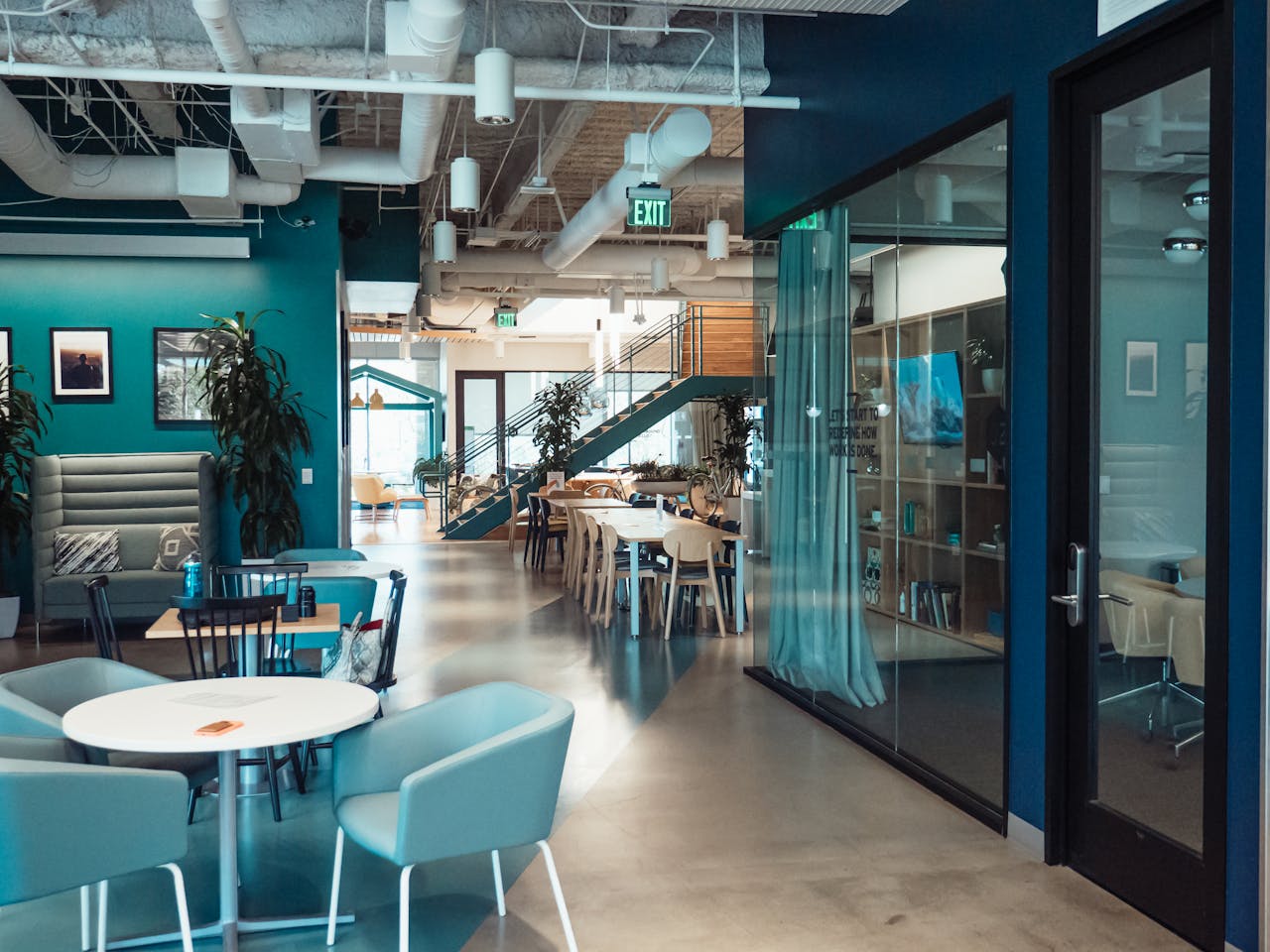
Flexible office space provides just that. It allows businesses to scale up or down depending on their needs while avoiding hefty overheads. For individuals, options like coworking memberships or short-term rentals offer the freedom to work from professional spaces without a permanent commitment. For instance, a day office has all the perks of a traditional office, including high-speed internet, ergonomic furniture, and shared amenities access.
In cosmopolitan urban hubs like New York City, the demand for flexible office solutions rose 19% in 2022. Professionals seeking private, fully-equipped spaces for occasional use are driving this surge. According to Coworking Insights, New York City’s flexible workspace comprises 51% hybrid spaces, 34% serviced offices, and 15% shared spaces. During 2021 and 2022, the demand for 3–9 workstation desks increased the most (57%), followed by 25+ desks by 26%.
Key Features That Make Flexible Offices Stand Out
Flexible offices aren’t just shared desks or open-plan workspaces. They come with a range of features tailored to modern work needs. Here are the key elements that set them apart:
- Private and Shared Options: The Farm Soho reveals professionals can choose dedicated day offices for focused work or private or enterprise-shared spaces for collaboration. This versatility meets individual and team requirements.
- State-of-the-Art Amenities: Most spaces have high-speed internet, ergonomic furniture, soundproof pods, and advanced meeting rooms. These features create a space that promotes efficiency and comfort.
- Customization: Flexible office providers allow businesses to design layouts or adjust facilities to meet specific needs. This versatility is beneficial for small enterprises and project-based teams.
- Tech Integration: Many spaces now feature cutting-edge technologies, including video conferencing tools and smart booking systems. Innovations like soundproof pods are appealing to professionals seeking quiet, distraction-free areas.
Benefits for Businesses and Professionals
The advantages of flexible office spaces extend beyond mere convenience. They offer tangible benefits that appeal to businesses of all sizes and individual professionals.
- Cost-effectiveness: Unlike traditional leases, flexible offices eliminate the need for upfront investments in office furniture, utilities, and maintenance. Businesses only pay for the space used, freeing up capital for growth and innovation. According to Framery, over 40%, or nearly 2.6 billion square feet, of US office space requires refurbishing to cater to hybrid workers.
The cost of renovating such offices would far exceed $85 billion. Real estate owners and businesses can save over $30 billion by using flexible office pods instead of building new meeting spaces. - Scalability: Growing companies often face challenges when expanding into new markets or hiring additional staff. Flexible offices allow businesses to adjust their space as required, making scaling up or down seamless.
- Improved Productivity: Flexible work environments enhance employee well-being and output. With amenities designed for focus and collaboration, employees are more likely to feel supported and engaged.
- Employee Well-Being: Studies indicate that flexible workspaces can improve employee well-being. They offer a sense of autonomy and control over your work environment. Harvard Business Review highlights an interesting trend in workplace dynamics. Flexible workspaces directly affect employee well-being and productivity.
- Environmental Benefits: Many flexible office providers emphasize sustainability. By sharing resources like energy-efficient utilities and minimizing unused space, these setups reduce their carbon footprint.
Flexible Workspaces and the Future of Work
In the future, flexible office spaces will solidify their place in the evolving work world. Their popularity stems from their ability to meet diverse needs across industries.
Many believe flexible workspaces are the future of work, and the stats back it up. Stratview Research predicts significant growth in the flexible workspace market. By 2026, it estimates the international flexible office space market to cross $73 billion at an annual growth rate of 14%. Similarly, Custom Market Insights (CMI) expects the industry to reach $200 billion by 2031 at a growth rate of 19.16%.
These setups are also instrumental in addressing modern workplace challenges. For gig workers and freelancers, flexible spaces offer a professional setting for client meetings and focused tasks. Hybrid workers, meanwhile, benefit from the balance these spaces provide—a mix of remote and office work. Companies also leverage these spaces to create hubs for collaboration, promoting team cohesion while supporting individual flexibility.
As DEI (diversity, equity, and inclusion) programs grow, flexible offices provide accessible, inclusive environments. Furthermore, their role in talent retention cannot be overstated. Employees with access to supportive, well-designed workspaces are more likely to stay engaged and satisfied.
Frequently Asked Questions
Q1. Are flexible workspaces suitable for large companies, or are they just for freelancers and startups?
Flexible workspaces are suited to businesses of all sizes! While they’re a popular choice for freelancers and startups, large companies benefit from their scalability and cost-effectiveness. They can provide project-specific spaces or even satellite offices for larger teams.
Q2. What is the difference between flexible office spaces and coworking spaces?
Flexible office spaces include private offices, shared spaces, and customizable setups catering to businesses and individuals with diverse needs. Coworking spaces, a subset of flexible offices, typically offer open, shared work environments for collaboration and networking. Flexible offices can be tailored for privacy or teamwork, offering greater versatility.
Q3. What technology features do modern flexible offices typically offer?
Most flexible offices provide high-speed internet, smart booking systems, video conferencing tools, soundproof pods, and advanced meeting rooms. These tech-integrated spaces are designed to enhance productivity and support modern work requirements.
As work trends evolve, flexible office spaces represent more than just a workspace. They are shaping the workplace culture and fostering environments that promote collaboration, well-being, and innovation. These spaces symbolize adaptability, innovation, and professional empowerment.
With their ability to support professionals, be it startups, freelancers, or corporate teams, flexible office spaces will be pivotal in the future. Your workplace will no longer be within four walls. It’s wherever you need it to be—flexible, dynamic, and perfectly suited to your professional journey.