






























London, 17 August 2026 — EBM Newsdesk Analysis —Nick Staunton
Sir Richard Branson’s attempt to challenge Eurostar on rail services between London and continental Europe has moved a significant step closer after Virgin secured regulatory backing to use Britain’s high-speed route to the Channel Tunnel.
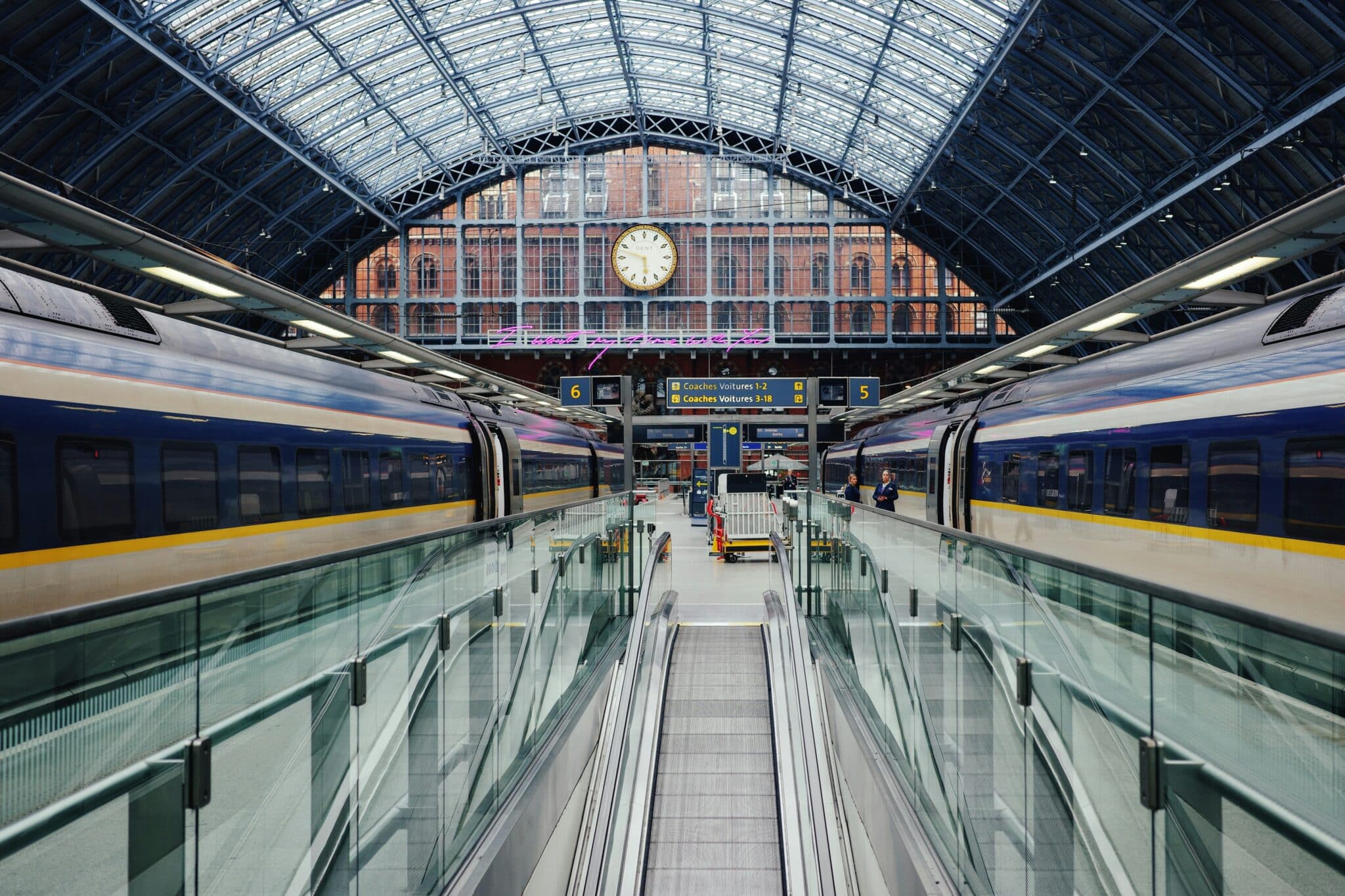
The Office of Rail and Road has pre-approved a framework agreement between Virgin Trains and London St Pancras Highspeed, the company responsible for HS1. The 109-kilometre line connects St Pancras International with the Channel Tunnel entrance in Kent.
Join The European Business Briefing
New subscribers this quarter are entered into a draw to win a Rolex Submariner. Join 40,000+ founders, investors and executives who read EBM every day.
SubscribeThe agreement would allow Virgin to operate as many as 20 daily return services between London and Paris, Brussels or Amsterdam from 1 October 2030 until the end of 2040. Virgin and London St Pancras Highspeed have until 4 September 2026 to enter formally into the agreement, according to the ORR’s decision.
The ruling removes one of the most important British regulatory obstacles facing Branson’s proposed return to the rail industry. It could eventually introduce direct competition on routes dominated by Eurostar since international passenger services through the Channel Tunnel began in 1994.
A major step, but not the final approval
The decision does not mean Virgin can begin selling tickets or operating trains. It covers access to HS1 between London and the Channel Tunnel, rather than providing all the permissions required for a complete international service.
Virgin must still secure access to the Channel Tunnel itself and reach agreements covering the rail networks in France, Belgium and the Netherlands. It will also require safety approvals from British and European regulators.
Rolling stock is another critical requirement. Virgin has outlined plans to acquire 12 Alstom Avelia Stream high-speed trains as part of a proposed investment reportedly worth around £700 million. The planned operation could create approximately 400 jobs in Britain.
Virgin’s proposed timetable would eventually include up to 13 daily return services between London and Paris, four between London and Brussels and three between London and Amsterdam. Services would be introduced progressively rather than all beginning simultaneously in October 2030.
The company has said its plans are moving “at pace”, although the remaining infrastructure, financing and regulatory requirements mean the launch date is still more than four years away.
Eurostar faces its first serious challenge
The latest approval follows the ORR’s decision in October 2025 to grant Virgin access to the Temple Mills International depot in east London. The depot is currently used by Eurostar and is the only maintenance facility directly accessible from HS1.
Access to Temple Mills had been considered one of the biggest barriers preventing a competing operator from entering the cross-Channel market. The regulator concluded that there was sufficient capacity for another operator and judged Virgin’s proposal to be more financially and operationally robust than rival applications.
Eurostar has argued that it needs depot and station capacity to support its own expansion. The operator is investing in new trains and plans to add destinations, but regulators are seeking to balance those ambitions against the potential benefits of competition.
Virgin’s arrival could put pressure on Eurostar over fares, service frequency and customer experience. Cross-Channel passengers have frequently criticised high ticket prices, particularly when booking close to departure, while reduced post-pandemic services have constrained capacity on some routes.
Competition would not automatically guarantee cheaper tickets. Operating international high-speed trains involves substantial investment, complex border arrangements and high infrastructure charges. Limited passenger-processing capacity at St Pancras could also restrict the number of additional services.
The bigger picture
Virgin’s progress nevertheless represents the most credible attempt yet to break Eurostar’s passenger monopoly.
Branson has experience of using the Virgin brand to challenge established transport operators, from British Airways in aviation to state-backed rail franchises in Britain. Cross-Channel rail offers a similar opportunity: a strategically important market with strong demand but only one established operator.
For passengers, the decisive question is no longer whether another operator is interested in competing with Eurostar. It is whether Virgin can convert regulatory access into trains, international agreements and a commercially viable service by 2030.
The ORR decision means the route into the Channel Tunnel is opening. Virgin must now prove it can complete the journey.