































Most people looking to improve their sleep focus on the obvious variables: screen time before bed, room temperature, mattress quality, or caffeine timing. These all matter. But one factor that consistently gets overlooked in sleep quality conversations is the air in the bedroom itself, and the research connecting indoor air quality to sleep patterns, cognitive performance, and daily energy levels is considerably more substantial than most people realize.
Poor indoor air quality doesn’t necessarily announce itself with visible signs. A bedroom can appear perfectly clean while still circulating dust, allergens, and microscopic particles that affect how well you breathe during sleep, how deeply you rest, and how rested you actually feel when you wake up. Mums Cleaning Services Chicago treats this as a genuine health consideration rather than a peripheral concern, because the connection between what’s in indoor air and how people feel day to day is too consistent to treat as secondary.
What “Indoor Air Quality” Actually Means in a Home
Indoor air quality refers to the concentration of particles, allergens, VOCs, and other compounds present in the air within a home or room. These include dust and dust mite allergens, pet dander, mold spores, pollen that enters from outdoors, off-gassing from furniture and building materials, and chemical compounds from cleaning products and personal care items.
Join The European Business Briefing
New subscribers this quarter are entered into a draw to win a Rolex Submariner. Join 40,000+ founders, investors and executives who read EBM every day.
SubscribeIn most homes, indoor air is measurably more polluted than outdoor air, largely because modern construction keeps homes well-sealed while the sources of indoor pollution are numerous and persistent. Unlike outdoor air, which benefits from wind, rain, and dilution across large volumes, indoor air recirculates through the same enclosed space continuously.
The Sleep Connection and Why It Makes Physiological Sense
During sleep, the body’s breathing rate is relatively steady and continuous over seven to nine hours. Unlike daytime hours when people move between environments, sleep means prolonged, uninterrupted exposure to whatever is in bedroom air specifically.
Allergen particles that trigger mild inflammation during waking hours produce more pronounced effects during sleep, when nasal passages are more sensitive to irritation and the body’s immune response operates differently. Congestion, throat irritation, and airway sensitivity from allergen exposure during sleep disrupts both the quality and depth of rest even when it doesn’t cause obvious waking symptoms. Many people who describe feeling unrefreshed despite adequate hours of sleep are experiencing exactly this, though few connect it to their bedroom air environment.
Dust Mites and What They Actually Do to Sleep
Dust mites are among the most common indoor allergen sources and they concentrate most heavily in exactly the environments associated with sleep: mattresses, pillows, and bedding. A typical mattress that hasn’t been deep cleaned recently harbors millions of these microscopic organisms along with their waste particles, which are the actual allergen component.
During sleep, body heat and movement create conditions that increase exposure to these particles through breathing. For the roughly fifteen to twenty percent of people with dust mite sensitivity, this prolonged nightly exposure is a significant driver of disrupted sleep quality, nasal congestion upon waking, and the feeling of never quite getting enough rest regardless of how many hours are spent in bed.
Pet Dander in Bedrooms Creates a Consistent Nightly Exposure
For households with pets that have access to bedrooms, pet dander represents a significant and continuous allergen source that cleaning surfaces alone doesn’t fully address. Dander particles are extremely fine and remain airborne for extended periods, settling into mattresses, pillows, and upholstered bedroom furniture where they’re then redistributed during sleep.
Even households where pets aren’t allowed in bedrooms often find pet dander present in those spaces, carried on clothing and through air movement between rooms. Bedroom air quality in pet households almost always benefits from more deliberate cleaning attention than other rooms in the home.
How Mold Spores Affect Sleep Quality Specifically
Mold in bedrooms isn’t always visible as obvious growth on walls or surfaces. Microscopic mold spores circulate in room air from sources that include bathroom mold spores traveling through inadequate ventilation, mold developing in window tracks or behind furniture against exterior walls, and humidity accumulating in spaces that don’t have adequate airflow.
Mold spore exposure during sleep contributes to respiratory irritation and, in sensitive individuals, to headaches and congestion that are often attributed to other causes. Rooms with even minor mold sources can have measurably elevated spore counts that affect sleep quality without the mold being obvious during a visual inspection of the space.
What Cleaning Practices Actually Improve Bedroom Air
Improving bedroom air quality requires attention beyond standard surface cleaning. Vacuuming mattress surfaces regularly, using HEPA-filtered vacuum equipment that captures fine particles rather than recirculating them, and washing bedding at higher temperatures all directly address the highest-concentration allergen sources in a bedroom.
Cleaning under beds consistently, since this space accumulates dust that gets stirred into breathing air with any movement in the room, makes a meaningful difference that most standard cleaning routines skip entirely. Addressing window tracks, where mold and debris accumulate in an enclosed space near sleeping areas, and cleaning ceiling fans before bedroom use removes particles that would otherwise circulate directly through breathing air during sleep.
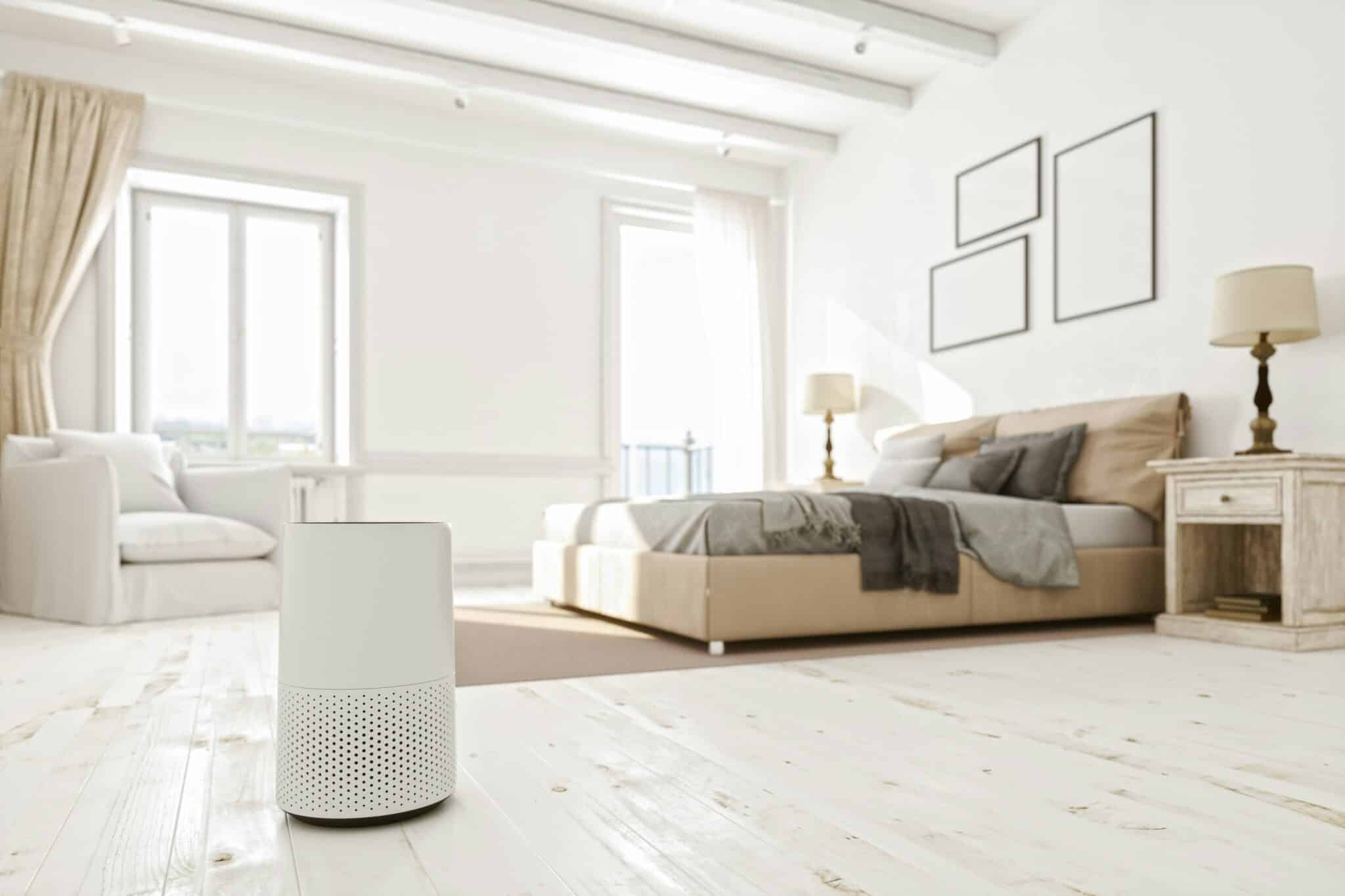
Running an air purifier with a genuine HEPA filter in the bedroom continuously addresses airborne particles that cleaning surfaces cannot capture, particularly in the hours between cleaning sessions when particles from various sources are resettling continuously.
The Cognitive Performance and Energy Connection
Sleep quality drives a cascade of effects on daytime function. Deep, uninterrupted sleep is when the brain consolidates memory, regulates mood, and performs the cellular repair processes that drive morning energy levels. Disrupted sleep from allergen exposure, even mild disruption that doesn’t cause obvious waking, reduces time in the deepest, most restorative sleep stages.
This explains why people whose sleep is affected by poor bedroom air quality often don’t connect the two. They fell asleep, they stayed asleep, they got enough hours. But they wake feeling foggy, unrested, or low on energy in ways that persist through the day, because the deep sleep stages where actual restoration happens were interrupted by subtle but persistent respiratory irritation throughout the night.
Addressing bedroom air quality through more thorough and targeted cleaning of the right areas tends to produce improvements in sleep quality and morning energy that clients of Mums Cleaning Services Chicago describe as among the most noticeable and unexpected benefits of professional deep cleaning, precisely because most people never considered their indoor environment as a variable in how well they sleep.






