































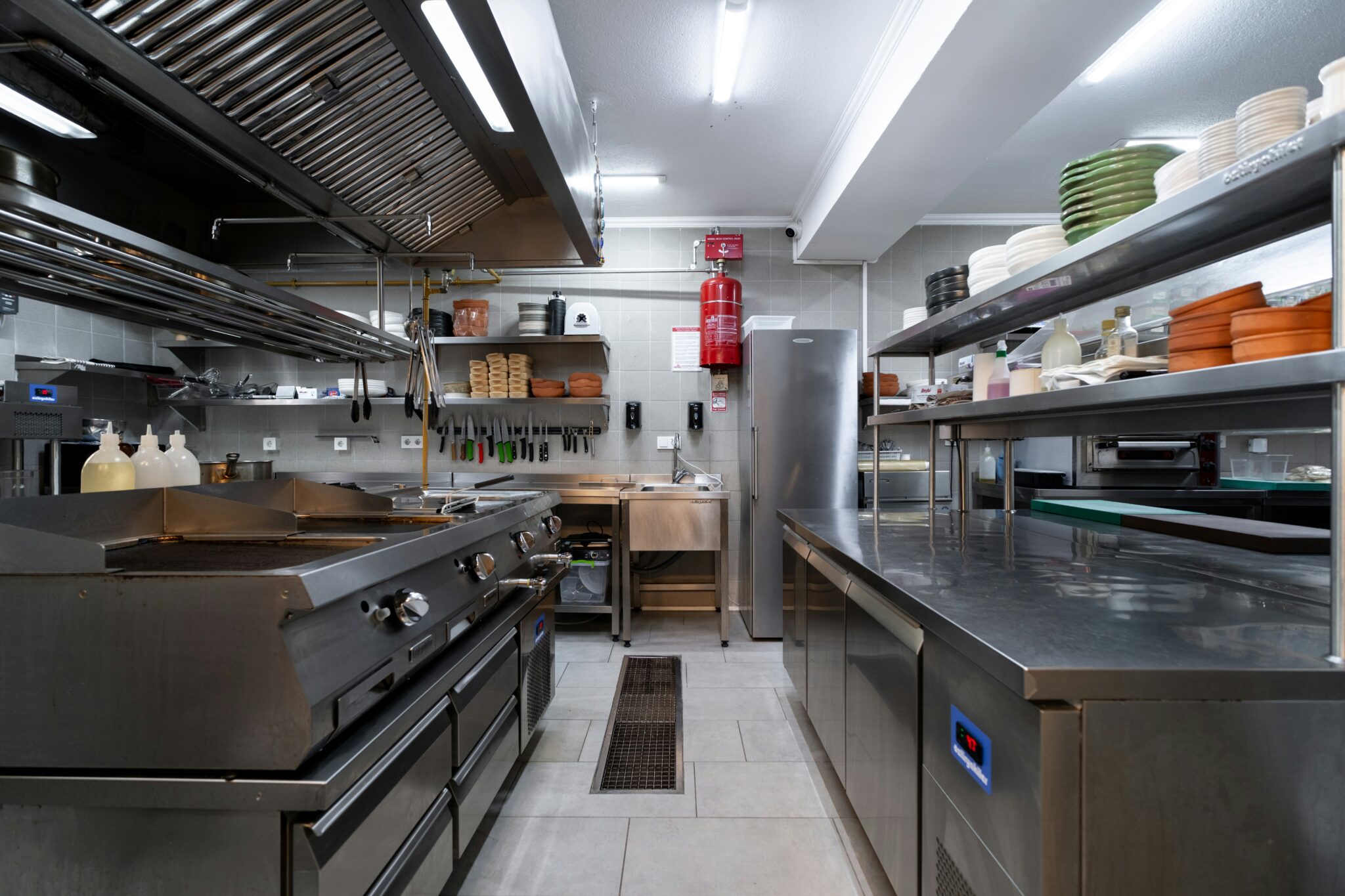
Managing a modern commercial kitchen requires a constant balance between fast service, strict hygiene standards, and operational costs. While head chefs focus on menu preparation and dining room experience, back-of-house efficiency often dictates overall profitability. Waste management remains one of the most overlooked areas where kitchens can significantly cut expenses and reduce their environmental impact. Implementing smart workflows for liquid organic waste transforms daily kitchen routines into a smooth, cost-effective process.
Preventing Costly Plumbing and Drainage Issues
Improper disposal of fats and grease presents a major challenge for food service businesses. Pouring used liquids down the drain leads to heavy fat buildups that clog municipal sewer systems and cause severe plumbing backups within the premises. Emergency repairs and grease trap maintenance quickly escalate operational expenses. Establishing a clear routine for safe storage and scheduling a regular oil collection service prevents these infrastructure issues entirely, keeping drainage systems clear and avoiding unexpected downtime.
Turning Kitchen Waste into Renewable Energy
Beyond preventing local plumbing damage, efficient waste sorting links food businesses directly to global sustainability initiatives. Collected organic materials and spent cooking ingredients serve as valuable feedstocks for green energy production. Advanced recycling facilities process these used materials into low-carbon biofuels, effectively closing the production loop. Kitchens that optimize their disposal habits actively participate in this circular economy, helping reduce carbon emissions without altering their main culinary operations or compromising service speed.
Join The European Business Briefing
New subscribers this quarter are entered into a draw to win a Rolex Submariner. Join 40,000+ founders, investors and executives who read EBM every day.
SubscribeEnhancing Workplace Safety and Daily Operations
Operational efficiency also directly impacts staff safety and working conditions. Clear protocols for handling hot liquids reduce the risk of workplace spills and burn injuries. Dedicated containers and clear collection points keep storage areas clean and compliant with strict food safety inspections. Partnering with a reliable oil collector like Quatra simplifies these daily routines, allowing staff to focus on high-value culinary tasks while maintaining a clean and safe environment.
Boosting Brand Value Through Practical Sustainability
Finally, visible resource efficiency strengthens a company’s market reputation. Modern consumers and corporate clients increasingly favor businesses that demonstrate real environmental responsibility. By turning a routine operational waste stream into an opportunity for renewable energy generation, food service operators enhance their brand value while cutting waste management overheads. Streamlining these back-of-house processes proves that environmental care and commercial profitability go hand in hand.
Investing in smarter waste workflows is a practical step toward running a resilient, future-ready business. Kitchens that take control of their disposal processes protect their plumbing infrastructure, create safer workplaces for their teams, and contribute to cleaner energy solutions. Rethinking everyday operational habits converts routine daily maintenance into a clear business advantage.