






























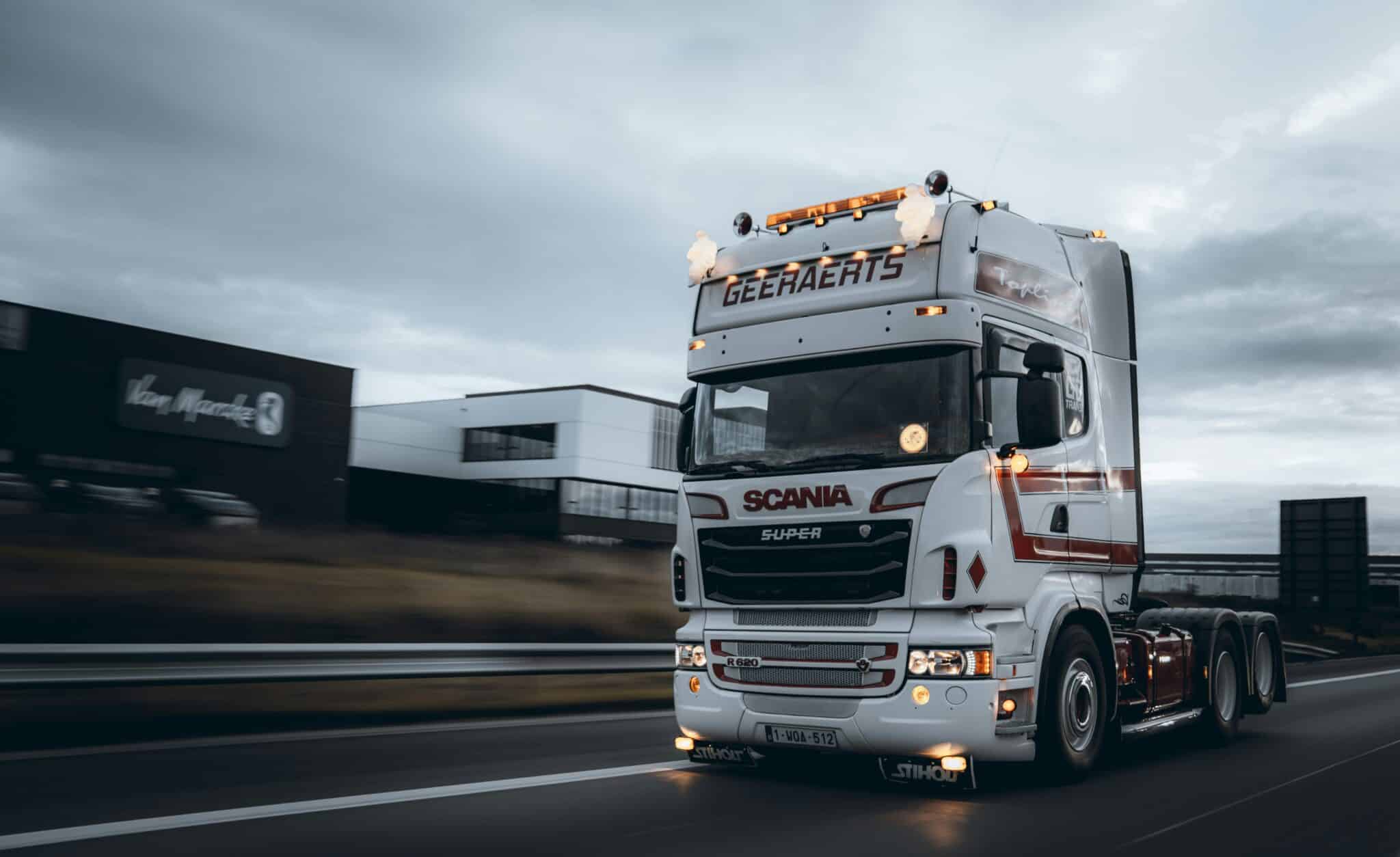
Buying a truck, whether new or new to you, is the start of a long relationship. A truck is one of the most personalizable vehicles a person can own, and the choices made early set the tone for how well it serves, how it looks, and how long it lasts. The temptation is to change everything at once, but the smarter approach is to handle the first upgrades in a sensible order.
The best early upgrades protect the truck, make it more useful, and let the owner start making it their own, without spending on things that can wait. What follows is a practical guide to the first upgrades worth making when a truck is new to you.
This guide covers:
Join The European Business Briefing
New subscribers this quarter are entered into a draw to win a Rolex Submariner. Join 40,000+ founders, investors and executives who read EBM every day.
Subscribe- Getting to know your truck before you change anything
- The first upgrades that protect and personalize it
- Building good habits from the start
Get to know your truck first
Before spending a dollar on upgrades, the most valuable thing a new owner can do is understand the truck they have, since knowing its capabilities and limits shapes every upgrade decision that follows.
Read the owner’s manual and note the important numbers: the payload rating, the towing capacity, the correct tire pressures, and the maintenance schedule. Learn the bed length and cab configuration, since those determine what accessories will fit. If the truck is used, look it over or have it inspected, checking the tires, brakes and fluids so you know what you are starting with.
First up: protect the bed
Once you know your truck, the first practical upgrade for most owners is protecting the bed, the most useful and most exposed part of the truck. Left open, it lets cargo get wet, dusty or stolen, and the bare bed takes damage from day one.
A tonneau cover is one of the most sensible first upgrades, turning the open bed into secure, weather-protected space. Hard-folding covers such as sleek and strong Worksport tonneau covers for modern trucks enclose the bed with formed aluminum panels and weather seals, keeping cargo dry and out of sight while giving the truck a cleaner line. The choice comes down to how you use the bed and what you want to spend, and most fit without drilling. Protecting the bed early preserves both the truck’s usefulness and its condition.
Make it yours: a fresh set of wheels
With the practical foundation handled, the upgrade most new owners are itching to make is the one that makes the truck feel like theirs, and nothing does that faster than wheels, the single most visible change available.
A fresh set transforms a truck’s stance and character in a way no other single upgrade matches. Fitting a set of black 18-inch wheels gives a truck a sharper, more purposeful look, with black finishes from gloss to matte suiting a wide range of trucks. The key for a new owner is fitment: the bolt pattern, offset, diameter and load rating all have to be correct, so buying to the model rather than by looks alone keeps the upgrade trouble-free. Get it right, and a new set of wheels is the most satisfying early way to make a truck your own.
Don’t overlook the brakes
In the excitement of protecting and personalizing a new truck, it is easy to overlook the systems that keep it safe. A new owner, especially of a used truck, should know the state of the brakes early.
Brakes wear with use, and a truck bought used may have rotors and pads with plenty of life behind them. Knowing what new truck owners should know about brake rotors helps an owner judge the condition and plan ahead: warped or worn rotors cause vibration and longer stopping distances, and replacing them with quality parts restores safe, consistent braking. Coated rotors resist the rust and corrosion that degrade brake hardware over years of use, which matters given how long trucks are kept. Checking the brakes early is the move that keeps the truck safe from the day you take it over.
Set up for how you’ll use it
Beyond the first upgrades, setting a truck up for its actual job is what makes it genuinely useful. This is where a new owner tailors the truck to their life rather than the showroom’s idea of it.
Think about how the truck will earn its keep. An owner who hauls tools benefits from a bed liner and secure storage, one who tows should sort the hitch and wiring properly, and someone who carries gear wants tie-downs and cargo management. The point is to add what suits the way you use the truck, in the order those needs arise, rather than buying everything at once.
Build good maintenance habits early
The best thing a new owner can do for a truck costs almost nothing: look after it from the start. Good habits established early carry a truck through the long years most owners keep them.
Follow the maintenance schedule from day one rather than waiting for something to go wrong. Keep up with oil and fluid changes, check the tires and pressures regularly, and address small issues before they grow. Keeping the truck clean, including underneath, slows the corrosion that shortens a truck’s life. Starting these habits with a truck that is new to you is far easier than trying to recover a neglected one later, and a truck looked after from the beginning stays dependable and holds its value.
First upgrades, in order
For a new owner, the order of upgrades matters as much as the upgrades themselves. This is a sensible sequence.
| Step | Focus | Why it comes first |
| Know your truck | Ratings, fitment, condition | Shapes every later choice |
| Protect the bed | Tonneau cover | Guards the most exposed part |
| Personalize it | Wheels | Makes the truck your own |
| Check the brakes | Rotors and pads | Keeps it safe from day one |
| Set up for use | Storage, tow, liner | Tailors it to your needs |
| Maintain it | Service habits | Protects the long-term investment |
The early steps understand and protect the truck, the middle ones make it yours and useful, and the last keeps it all going. Handled in order, the upgrades build on each other.
A note for new truck owners
Setting a truck up well matters more when you consider how long you are likely to keep it. According to iSeeCars, the average length of new-vehicle ownership in the United States is about 8.4 years, and pickup trucks are kept longer than average, around 8.7 years, since owners value their function and reliability. A truck is a vehicle people hold onto, often for the better part of a decade, so the upgrades and habits established early pay off across many years. Getting the foundations right at the start is what makes all those years better ones.
Off to a good start
A new truck is full of possibility, and the way to make the most of it is to start with the upgrades that matter and build from there. Understand the truck first, protect the bed, make it your own with a fresh set of wheels, keep the brakes sound, and set it up for how you actually use it.
Above all, look after it from the beginning. The trucks that stay capable and dependable for years are the ones whose owners got the foundations right and kept up with them. Do that, and your new truck will be ready for whatever you ask of it, for as long as you own it.
Frequently asked questions
What should be my first upgrade on a new truck? After getting to know the truck’s ratings and condition, protecting the bed with a tonneau cover is one of the most practical first upgrades, since it secures and weatherproofs the most exposed part of the truck. Wheels are the most popular styling upgrade.
Do I need to check the brakes on a used truck? Yes. A used truck may have worn rotors or pads, so checking the brakes early tells you what you are starting with. Warped or worn rotors cause vibration and longer stopping distances, and quality replacements restore safe, consistent braking.
How do I choose the right wheels for my truck? Match them to the specific truck. The bolt pattern, offset, diameter and load rating all have to be correct, so buy to the model rather than by looks alone. Getting fitment right keeps a wheel upgrade trouble-free.
Is a tonneau cover worth it for a new truck owner? For most owners, yes. It secures cargo, protects it from weather and prying eyes, and gives the truck a cleaner look. The choice between folding, flip-up and other styles comes down to how you use the bed and what you want to spend.
What maintenance should a new truck owner prioritize? Follow the service schedule from day one: on-time oil and fluid changes, regular tire and pressure checks, and addressing small issues early. Keeping the truck clean and rust-free matters too, especially given how long trucks are kept.
Should I upgrade everything at once? No. Handle the foundations first, understanding the truck, protecting the bed, and checking safety systems, then add personalization and use-specific accessories as your needs and budget allow. Upgrading in a sensible order is better than buying everything at once.