































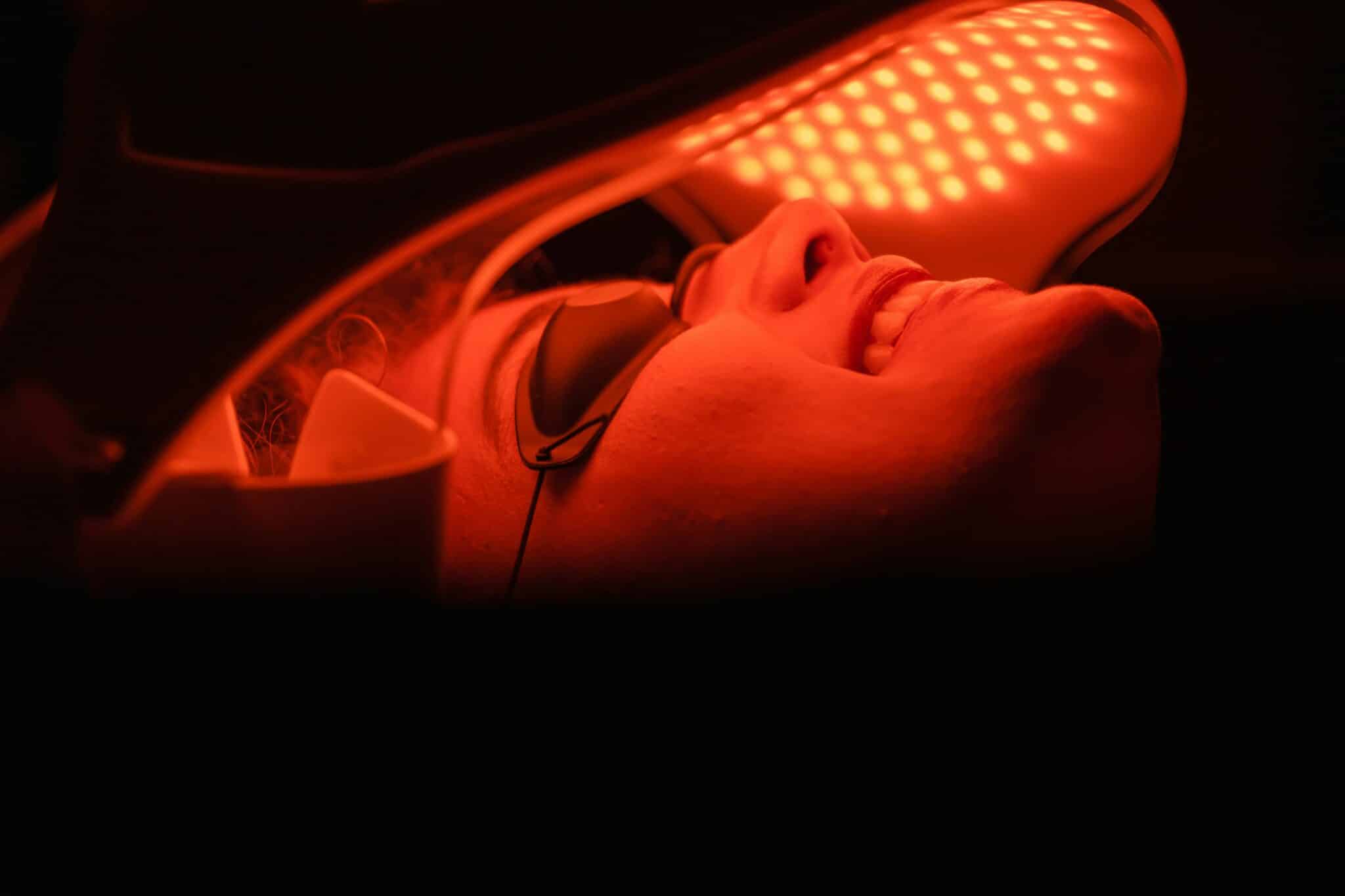
It is a common, slightly deflating experience: two people follow what seems like a nearly identical routine, similar device, similar frequency, similar timeline, and end up with noticeably different results in their before-and-after comparisons. Rather than assuming one person simply “did it wrong,” there are several legitimate, well-understood reasons this variability occurs.
Why This List Is Reassuring, Not Discouraging
Rather than reading this as a long list of reasons your results might be worse than someone else’s, it is more accurate to read it as evidence that comparing your results to a stranger’s was never a fair or meaningful benchmark in the first place, regardless of how the comparison turns out.
Baseline Skin Condition Matters More Than Routine Alone
Someone starting with significant existing sun damage or advanced collagen loss is working from a different baseline than someone with less accumulated damage, which affects both how much visible change is possible and how long it takes to become apparent. A smaller relative improvement from a more damaged baseline can still represent meaningful biological progress, even if it looks less dramatic in a side-by-side comparison.
Join The European Business Briefing
New subscribers this quarter are entered into a draw to win a Rolex Submariner. Join 40,000+ founders, investors and executives who read EBM every day.
SubscribeAge and Existing Collagen Reserves
Collagen production naturally declines with age, which means younger skin generally has more existing reserve to draw on and may show a comparatively faster or more visible response than significantly older skin working with a smaller existing baseline, even when using an identical routine.
Genetics and Individual Cellular Response
Not everyone’s cells respond identically to the same biological stimulus, and red light therapy before and after outcomes reflect this genuine individual variability, similar to how people respond differently to the same exercise routine or diet despite identical effort and consistency. According to research on individual variability in response to photobiomodulation treatment, documented variation in individual treatment response is a recognized factor in photobiomodulation research, not a sign that a specific person’s routine or effort was inadequate.
Consistency Differences That Are Easy to Underestimate
Two people who both describe themselves as “consistent” may have meaningfully different actual session counts once tracked precisely, missed sessions add up quietly over months in ways that are easy to underestimate without an actual log. This is one of the more common, and most fixable, sources of divergent results.
Skin Type and Thickness
Thicker skin may show visible textural change more slowly than thinner skin, even with an identical underlying collagen response, simply because more structural change is needed before it becomes visually apparent through a thicker skin layer.
Sun Exposure and Protection Habits
Someone maintaining diligent daily sun protection alongside their light therapy routine is not fighting against ongoing collagen breakdown the way someone with inconsistent sun protection is, which can meaningfully affect the net visible outcome even with an identical treatment routine.
Photography and Documentation Differences
Inconsistent lighting, angle, or timing between comparison photos can make a genuinely similar degree of biological improvement look more or less dramatic in the actual before-and-after images, independent of the real underlying change.
Device and Positioning Differences
Even similar devices can differ in irradiance output, and inconsistent positioning or distance from the skin during sessions can meaningfully affect how much light energy actually reaches the skin, even when session frequency and duration are identical on paper.
Setting Expectations That Account for This Variability
Understanding that some degree of individual variation is normal and expected helps prevent unfair self-comparison against someone else’s specific results. Our guide to setting personalized, realistic expectations walks through how to set a reasonable, individualized expectation for your own routine rather than benchmarking strictly against someone else’s timeline or outcome.
Why This Doesn’t Mean the Treatment “Doesn’t Work” for Some People
Slower or more modest results are not the same as no results, most of the variability described here affects the pace and visibility of change rather than eliminating it entirely. Patience and continued consistency remain the most reliable response to a slower-than-expected trajectory, rather than assuming the underlying treatment approach is simply ineffective for you personally.
Why Comparing Yourself to Strangers Online Is Especially Misleading
Before-and-after content shared online often comes with little to no verified detail about the poster’s specific routine, skin history, or even whether any editing was applied. Treating your own results as directly comparable to an anonymous stranger’s online post is a particularly unreliable benchmark, far less useful than comparing your own current results to your own earlier baseline.
Talking to a Professional if Results Feel Significantly Off
If your results feel dramatically different from what seems typical despite genuinely consistent use over several months, a conversation with a dermatologist can help rule out any underlying skin condition or medication interaction that might be affecting your specific response, rather than continuing to guess at the cause on your own.
The Bottom Line
Differences in before-and-after results between two people using a seemingly similar red light therapy routine are common and explainable, driven by baseline skin condition, age, genetics, consistency, and documentation differences, not by one person doing something fundamentally wrong. Setting expectations around your own individual starting point, rather than someone else’s results, leads to a fairer and more accurate way to judge your own progress.