






























Monaco -26 September 2026 — EBM WEEKEDN READ — By Brad Adams
Monaco covers about two square kilometres, has a population of roughly 38,900, and last year produced more wealth than ever before. Official figures published in November show its GDP crossed €10.3 billion, around $11 billion, for the first time, after real growth of 8.8%. By some estimates, one in three residents is a millionaire, and Monaco’s statistics office puts average resident net worth at around $20 million.
Yet in the 1850s the principality was close to bankruptcy. It survived by building a casino, and within a few decades it had become one of the richest places in Europe. The story of how it did so explains a great deal about how small states survive, and why Monaco’s next test arrives next month in Paris.
A Principality That Lost Its Farms
Monaco’s crisis began with a tax revolt. In 1848, the towns of Menton and Roquebrune rebelled against Monaco’s taxes and declared independence, and in 1861 they were formally ceded to France. Monaco received four million francs in compensation and lost roughly four-fifths of its territory.
Join The European Business Briefing
New subscribers this quarter are entered into a draw to win a Rolex Submariner. Join 40,000+ founders, investors and executives who read EBM every day.
SubscribeThe financial consequences were severe. Menton and Roquebrune had supplied most of the state’s revenue through taxes on agriculture, particularly olive oil and fruit. What remained was little more than the Rock of Monaco and a narrow strip of coast. A state that had lived off farm taxes suddenly had no farms.
The Casino Gamble
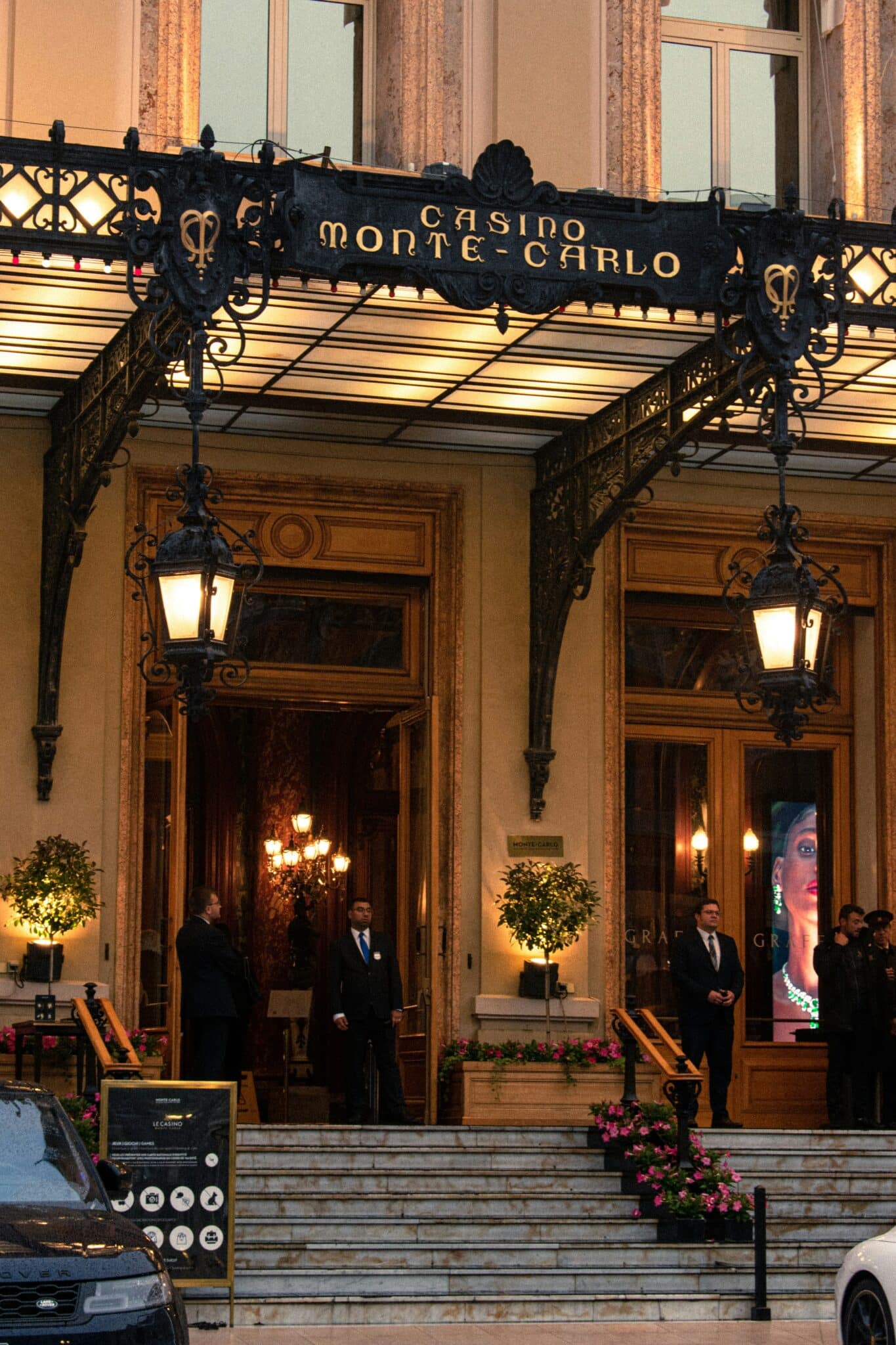
Prince Charles III, who came to the throne in 1856, chose an unconventional way out. Gambling was banned or tightly restricted across much of continental Europe, so a luxury casino on the Mediterranean could attract the continent’s elite and the money they carried.
The first attempts struggled. The turning point came in 1863, when the prince brought in François Blanc, who had run a successful casino in the German spa town of Bad Homburg. A new company, the Société des Bains de Mer, was formed, with Blanc as majority shareholder under a 50-year concession. In return for its monopoly, the company had to provide much of the principality’s public infrastructure, from water and gas to roads, transport links and even the official gazette. The town grew around the casino, built by its operator.
Blanc understood marketing as well as gaming. He used his connections to bring a railway to Monaco and paid European newspaper editors to publicise that his roulette wheels had one zero fewer, improving players’ odds. Profits reached 800,000 Swiss francs in the first year and two million three years later. In 1866, the new district was named Monte-Carlo in the prince’s honour. By 1869, gaming revenues allowed Charles III to abolish direct taxes for his subjects, the foundation of the tax regime that still defines Monaco. Monégasque citizens, then as now, were barred from gambling in the casino.
From Roulette to Residency
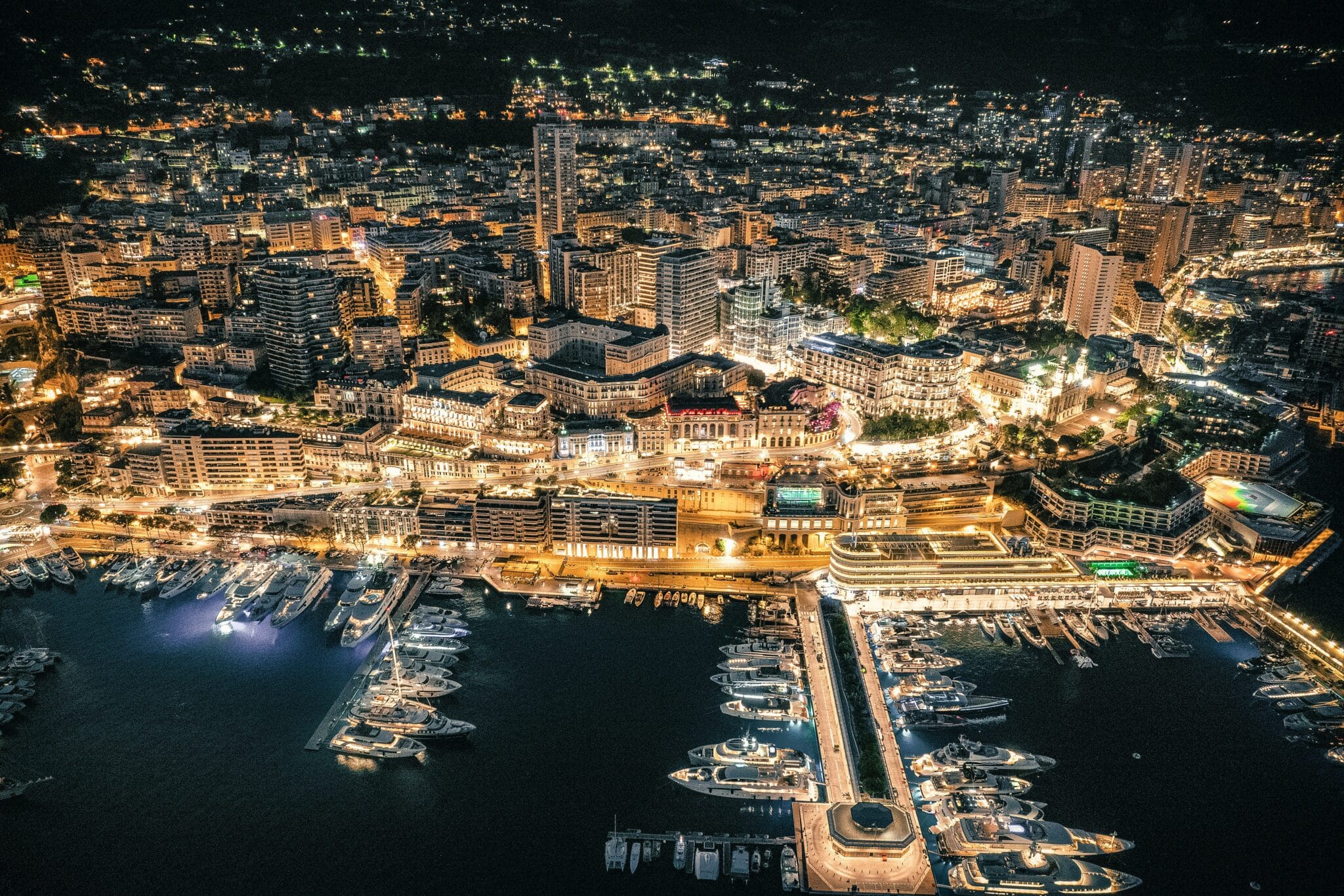
Monaco’s real product today is residency. People move there for the security, the discretion, the climate and the absence of personal income tax, with one notable exception: French citizens have been taxed as if they lived in France since a 1963 agreement between the two countries. The population is overwhelmingly international, with around 70% of residents born elsewhere. Much of the workforce commutes in daily from France and Italy, which is one reason why GDP per head looks so extraordinary.
The public finances are equally unusual. In 2023, Monaco ran a budget surplus of €126 million, and its reserve fund reached €7 billion. At a time when France’s interest bill is swallowing its budget and government borrowing costs are soaring, the tiny state next door has no need to borrow at all.
The Grey List Test
Monaco has responded with urgency. In June this year, the FATF concluded that Monaco had substantially completed its action plan, paving the way for an on-site review. It is now expected to be removed at the FATF plenary running from 26 to 30 October.
Removal matters because banks, investors and regulators treat grey-listed jurisdictions with extra caution, even though the listing is not a sanction. In a world where investors now expect institutional-quality governance as standard, a principality selling safety cannot afford to look unsafe.
What Others Have Copied
Monaco’s founding bet has been widely imitated. The idea of using gaming and leisure to attract wealth has spread, most recently to the Gulf, where the UAE is betting on gambling as part of its own diversification strategy. Monaco has also shown how global events can market a place. Its Grand Prix plays the role that the Ryder Cup will play for Ireland next year: a week of global television that sells the destination for decades. It is no coincidence that so many of the world’s top athletes, the kind now building global sports businesses, choose to live there.
The model is harder to copy than it looks, though. Monaco works because it is tiny, stable, sits next to France, and has had more than 150 years to build its reputation. A country of millions cannot abolish income tax and live off wealthy residents. What works for 38,000 people does not scale to 38 million.
Where I Come Down
My view is that the casino was never Monaco’s real product. It was the marketing. What Charles III and François Blanc actually built was a brand, a safe and glamorous place where Europe’s wealthy wanted to be seen, and where their money felt secure. The roulette wheels paid for the roads, but the reputation paid for everything that followed.
That is why next month’s FATF decision matters more than any casino result. Monaco once lost four-fifths of its land and rebuilt itself on trust. The lesson of its history is that land can be lost in a revolt, but a reputation can be lost far faster. If Monaco leaves the grey list in October, it will have protected the only asset it has ever really sold.
Related Analysis