































London, 21 July 2026 — EBM Newsdesk Analysis — By Anthony Gill
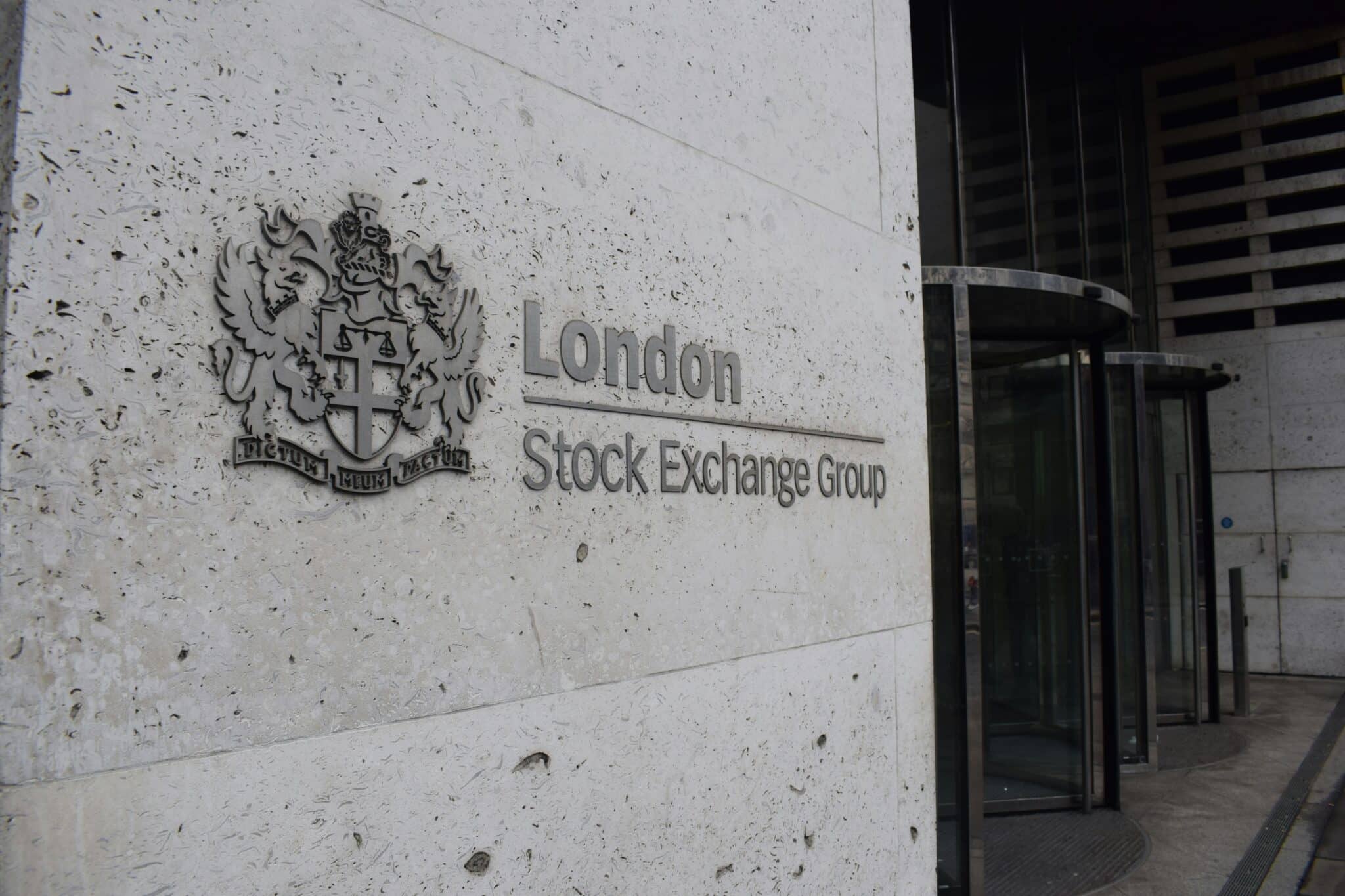
The London Stock Exchange will open a near-continuous overnight trading venue called LSE 24, running from 5pm to 7.50am, Monday to Friday. Client testing begins by the end of this year. Exchange-traded products go first in the first half of 2027, subject to regulatory approval, with equities named as the next step. The existing Main Market keeps its hours of 8am to 4.30pm, so this is a second venue rather than a longer day. Chief executive Julia Hoggett points to Asian investor demand and says agentic AI trading tools will be built into it.
The competitive logic is real. New York Stock Exchange has preliminary approval for a 22-hour day on Arca. Nasdaq has said it wants round-the-clock weekday trading from the second half of this year. Cboe is going the same way, and the SEC has already cleared 24X National Exchange. Crypto never closes, and retail platforms have spent five years training people to expect a market that is always open. London not doing this was becoming a story in itself.
Join The European Business Briefing
New subscribers this quarter are entered into a draw to win a Rolex Submariner. Join 40,000+ founders, investors and executives who read EBM every day.
SubscribeWhat LSE 24 actually is
It is a separate order book, not an extension of the main one. That matters, because it means the liquidity does not automatically follow.
The first products are exchange-traded funds and similar instruments. These are the sensible place to start. An ETF tracking a US index can be priced overnight because the underlying market is open. A FTSE 250 mid-cap cannot. There is no reliable price for a British industrial company at three in the morning because nobody is trading it and no news is being published about it.
That is the thing to watch when equities arrive. London’s liquidity is already concentrated at the opening and closing auctions. Spreading a thin book across another fifteen hours does not create depth. It creates a window where a retail investor can trade at a worse price than they would get at nine the next morning, and where a single large order can move a stock in a way that would be absorbed easily during the day.
The problem this does not solve
Here is the uncomfortable context. London has lost around 60% of its technology listings to New York since 2021. Equities trading is a small fraction of LSEG’s revenue — the group is now primarily a data and analytics business, which is why its shares moved on an AI announcement in February rather than on anything happening in the trading room.
The venue gap is the real issue. When Monzo goes public in London at £6 billion and comparable American companies list on Nasdaq at multiples of that, the difference is not the customer numbers. It is where the deal is being done. SpaceX raised $75bn with twenty-one underwriters and not one European bank among them. That is the scoreboard London is losing on.
Trading hours are not the constraint. Nobody chose Nasdaq over London because the London bell rang at 4.30pm.
Where it might genuinely help
Two places, and they are worth saying plainly because the case is not empty.
The first is Asian demand for European exposure. An investor in Singapore or Tokyo who wants a European ETF currently has to trade at an awkward hour or use an American proxy. LSE 24 gives them a regulated London venue in their own working day. That is a real customer with a real problem.
The second is event risk. When something happens overnight — a Gulf escalation, a US central bank speech, a profit warning from an American company with European suppliers — European investors currently sit on their hands until morning. Being able to hedge at 2am has value, and it is the same argument that made futures markets extend hours decades ago.
The verdict
LSE 24 is a sensible defensive product, competently timed, and it would have been embarrassing not to do it. But it is a distribution answer to a supply problem.
Europe’s IPO market has been recovering this year and London’s real test remains whether the big pending floats choose it. If Revolut lists in London at anything close to the £60bn figure that has been discussed, that does more for the exchange than a decade of extra opening hours. If it goes to New York, LSE 24 will be a well-built venue trading a shrinking pool of assets to nobody in particular at four in the morning.
Open longer is easy. Open with something worth buying is the hard part, and it is the only part that counts.