































Poor workplace communication can be extremely costly, with Harvard Business Review citing large productivity losses and other analyses linking miscommunication to millions in annual waste for big organizations. Interpersonal communication skills are the daily exchange of information between colleagues, managers, users, and clients through various channels. This includes everything from the way you structure a feedback session to the tone you use in a quick project update or a formal negotiation.
As you work across different teams, you probably face issues when messages get delayed, and the tone of an email gets misread, which creates unnecessary stress when you are under a deadline. We reviewed business communication studies, leadership books, and Headway nonfiction summaries on topics to find practical techniques for these situations. Learning specific techniques on how to talk to anyone can help you bridge these gaps in your daily workflow!
1. Using Small Talk to Practice Communication Skills
You can use different apps and tools to practice communication skills. If you have a quick exchange before a meeting starts or a few minutes of small talk while everyone is joining a call, you can be more prepared for that moment, even if it feels spontaneous.
Join The European Business Briefing
New subscribers this quarter are entered into a draw to win a Rolex Submariner. Join 40,000+ founders, investors and executives who read EBM every day.
SubscribeThese situations depend on what you already have in your head, as you can use small facts, ideas, angles you can bring in without stopping to think too much. For example, you can use Nibble as it fits into the scene because it offers 20+ topics for continuous learning, and a mix of useful and interesting data on logic, psychology, business, and more.
You can go through a short lesson and pick up one idea, and later, in a conversation, it may give you an entry point, something to build on, so the discussion keeps moving. The lessons stay under 15 minutes, where you can check one block during a break. This all-around knowledge app uses microlearning or short sessions that help people remember data better when they use it soon after learning.
2. Building Communication Habits Daily
James Clear, in his book ‘Atomic Habits,’ focuses on a behavior system based on small, repeated actions rather than major overhauls. This approach solves the problem of forgetting to follow up or delaying difficult responses because the actions feel too large. It could be particularly useful for daily team communication and async work where consistency matters more than intensity.
The book has sold over 15 million copies globally, proving the effectiveness of his habit-stacking method. You can use cue-based triggers to improve your interactions in the office. For example, you might stack a new habit onto an existing one. For example, after you finish your morning coffee, you will send one brief status update to a manager.
3. Handling Conversations Clearly
Dale Carnegie’s ‘How to Win Friends’ serves as a guide that remains a standard in business training for handling workplace relationships. It helps when you struggle to maintain rapport with difficult colleagues or during high-pressure client calls.
The book has sold over 30 million copies worldwide since its release and remains popular in the niche. The core concept is an interest-based communication approach, where:
- You can focus on active listening and pay attention to what the person says without interrupting
- You respond to the point, so the conversation feels real
- You repeat the person’s name during the conversation, as this helps create a more personal connection
- In business conversations, you can connect your feedback to the other person’s goals
- You show how your suggestion helps their work or results, so the person feels understood
- The conversation moves forward without tension, which makes them more likely to accept your suggestions
4. Reading Key Ideas to Improve Communication Skills
You can read nonfiction and psychology books that focus on interpersonal communication skills and how they develop over time. For example, you can go through short summaries of well-known books and take one main idea to practice during the day, which feels more realistic than trying to remember everything at once.
The Headway app provides nonfiction summaries on communication and business-related topics. When you want one clear insight without opening a 300-page book, the app gives you a short version you can go through in a few minutes and apply right after. It has reached over 55+ million downloads globally, which shows how many people are moving toward shorter learning formats.
The platform provides visual explanations, text, audio, challenges, and quizzes to show leadership and communication ideas in a compact form:
- You receive daily recommendations based on your goals
- You can pick one communication technique and try it out later the same day
- You can come back to your highlights and use them as quick references if needed
5. Speaking During High Stakes
You can use the ‘Crucial Conversations’ book written by Kerry Patterson as a framework that provides a structure for handling difficult workplace conversations where emotions are high. It solves the problem of avoiding conflict or reacting defensively during performance reviews:
- The model is used globally in corporate training programs to help teams build shared meaning during disagreements.
- The method relies on creating a safe environment for dialogue.
You can learn how to recognize when a conversation is turning from a healthy exchange into a heated argument. By focusing on emotional control, you can stay focused on the facts and reach a resolution that works for everyone involved.
6. Managing Team Messages in Channels
Slack is a messaging platform designed to reduce email overload in fast-moving environments. It is the primary tool for remote teams that need to stay up to date on project changes in real time. Slack reports millions of daily active users who use the platform to organize work into specific channels.
If you still do not use this tool, you can apply it and present it to your team. For example, you can use thread replies to keep conversations organized so that a single question does not clutter the main feed. You can use the search history to find previous decisions or files, which saves time during the onboarding of new team members, and more.
You can also create chats and channels for specific projects or topics, so discussions stay focused and easier to follow. This makes daily communication more structured and reduces the time you spend looking for information across different messages.
7. Sharing Your Expertise in Daily Online Communication
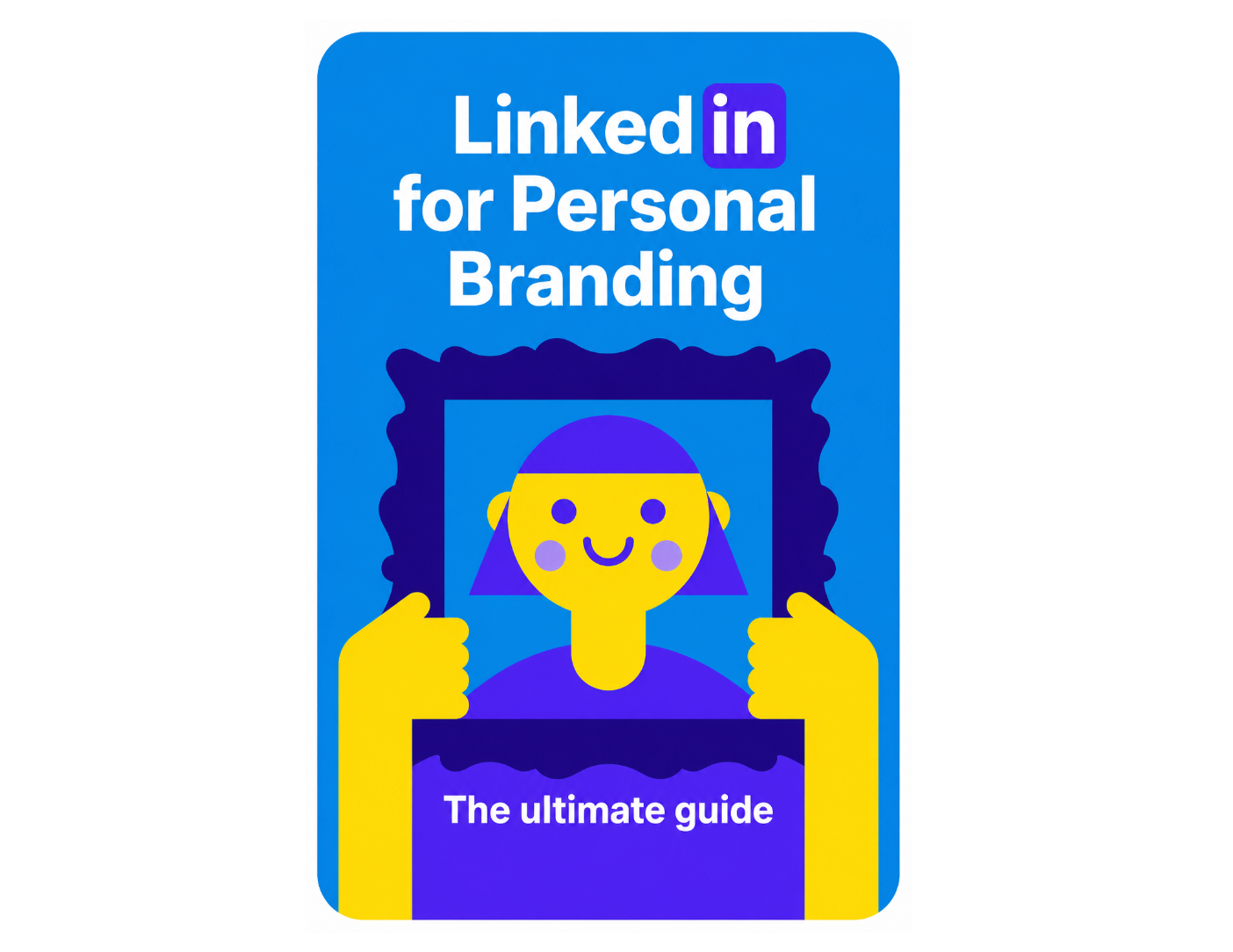
You can use LinkedIn to support your communication skills through regular posts and interactions. The ‘LinkedIn for Personal Branding’ book by Sandra Long explains how professionals present their ideas clearly in a public space where others read, react, and respond.
You can write short posts about your work, comment on industry topics, or share a quick insight from a meeting or project. This helps you practice explaining your thoughts in a way others can understand, which is a core part of interpersonal communication. You also see how people respond, which gives you feedback you can use in real conversations at work.
Testing the Core Ideas and Applying Interpersonal Communication Skills at Work
The tools, tips and books listed here provide a practical way to develop your Interpersonal communication skills. You can see how a microlearning approach fits into a busy workday by allowing you to learn in short sessions about communication and the psychology behind it.
You might choose to test one specific method in your next team meeting or apply one tip to your daily messaging. Testing one method at a time lets you see which fits your specific work routine. You can start with a single tip and observe how it changes the way you interact with your colleagues.