































Most people start asking how to improve eye health around the time they have to hold the restaurant menu further away to read it. The print is the same size it always was, but their eyes now need more distance and brighter light to make it out.
Ageing in the eye cannot be reversed, and no food, habit or supplement undoes it. But you can protect your sight, because many conditions can be slowed or treated when they are caught early. That is why it makes sense to have your eyes checked in your forties instead of waiting until your sixties, when you may already need cataract surgery, and glaucoma or macular degeneration may already have caused sight loss that treatment cannot restore. In this article, we will walk through whether eye health can be improved at all, what changes in your eyes after 40, which foods matter, whether supplements are worth taking, and which habits protect your sight.
Can Eye Health Be Improved?
Eye health can be improved in two practical ways: you can lower your risk of avoidable damage, and a regular eye test can find the conditions that cause sight loss while they are still treatable.
Join The European Business Briefing
New subscribers this quarter are entered into a draw to win a Rolex Submariner. Join 40,000+ founders, investors and executives who read EBM every day.
SubscribeThe lens, the clear part behind the pupil that focuses light, does not improve. It worsens with age in everyone, and no food or supplement has been shown to reverse either change.
Eye exercises can help with convergence insufficiency, a problem with turning both eyes inward together for close work, once an optometrist has diagnosed it. The exercises do not correct short or long sight, and they cannot clear a clouded lens.
What Happens to Your Eyes as You Age?
Your eyes change in several ways as you age. Some changes happen to everyone, and others are conditions that become more common after 40. Here is what each one does to your sight:
- Presbyopia – the lens stiffens and can no longer focus on close print, so most people need reading glasses in their forties.
- Smaller pupils – less light reaches the back of the eye, so you need more light to read.
- Cataract – the lens slowly clouds and scatters light, so vision blurs and glare from headlights at night gets worse, usually over several years.
- Glaucoma – damage to the optic nerve, which links the eye to the brain, and it slowly narrows your side vision.
- Age-related macular degeneration – damage to the macula, the part at the back of the eye that gives you sharp central vision for reading and recognising faces.
Glaucoma and macular degeneration matter most, because surgery can remove a cataract, while sight lost to either condition usually cannot be restored. Both are painless in their early stages, when treatment works best, so they are easy to miss without an eye test.
Foods to Improve Eye Health
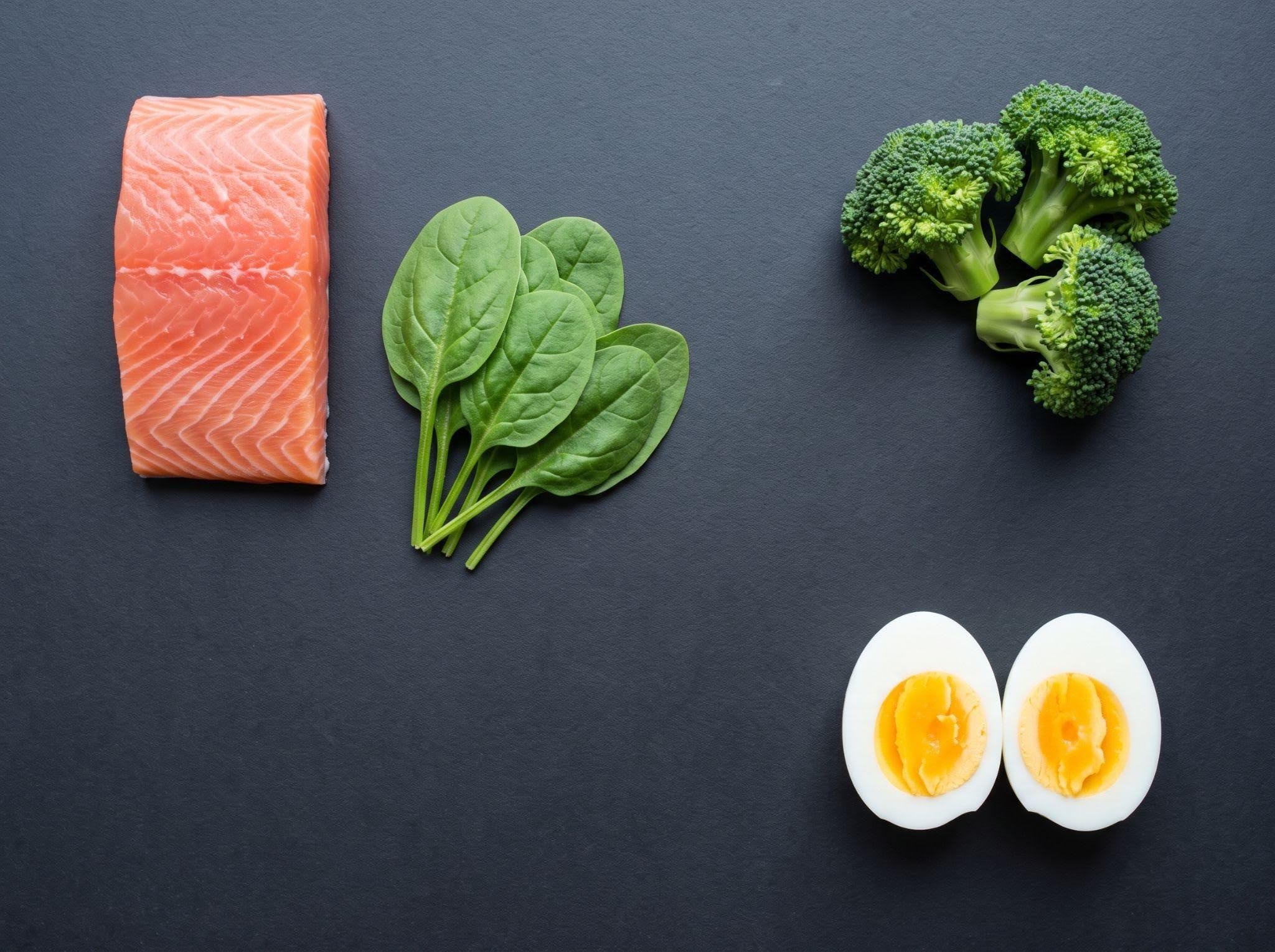
The foods most likely to improve eye health are ordinary ones rich in three nutrients: lutein, zeaxanthin and omega-3 fatty acids. Here is where to find them:
- Leafy greens – spinach and kale are rich in lutein and zeaxanthin, two pigments that collect in the macula and that your body cannot make.
- Broccoli – contains the same two pigments, in smaller amounts than leafy greens.
- Eggs – the yolk contains lutein and zeaxanthin in a form the body tends to absorb well.
- Oily fish – salmon and mackerel are good sources of omega-3 fatty acids, which help form the retina, the light-sensitive lining at the back of the eye.
In long-term diet studies, people who eat oily fish regularly tend to have a lower risk of macular degeneration, although omega-3 supplements did not show the same benefit in a large US trial.
A diet like this is not a treatment, though. Over years it may lower your risk of macular degeneration, but it will not improve your eyesight in the short term.
Can Supplements Improve Eye Health and Vision?
Supplements are unlikely to improve eye health or vision for most people. The main exception is AREDS2, a supplement formula of vitamin C, vitamin E, zinc, copper, lutein and zeaxanthin. It can slow macular degeneration in people who already have the intermediate stage of the condition.
AREDS2 is named after the Age-Related Eye Disease Studies, two large trials run by the US National Eye Institute. In people with intermediate macular degeneration, or advanced disease in one eye, the formula lowered the risk of advanced disease by about 25% over five years. The trials found that it did not prevent macular degeneration from starting, showed no clear benefit in people with early disease or healthy eyes, and had no effect on cataract.
Older versions of the formula used beta-carotene, which raised the risk of lung cancer in smokers in some studies. Have an eye test first if you have not had one recently, then ask your optometrist whether AREDS2 is suitable for you.
Natural Ways to Improve Eye Health
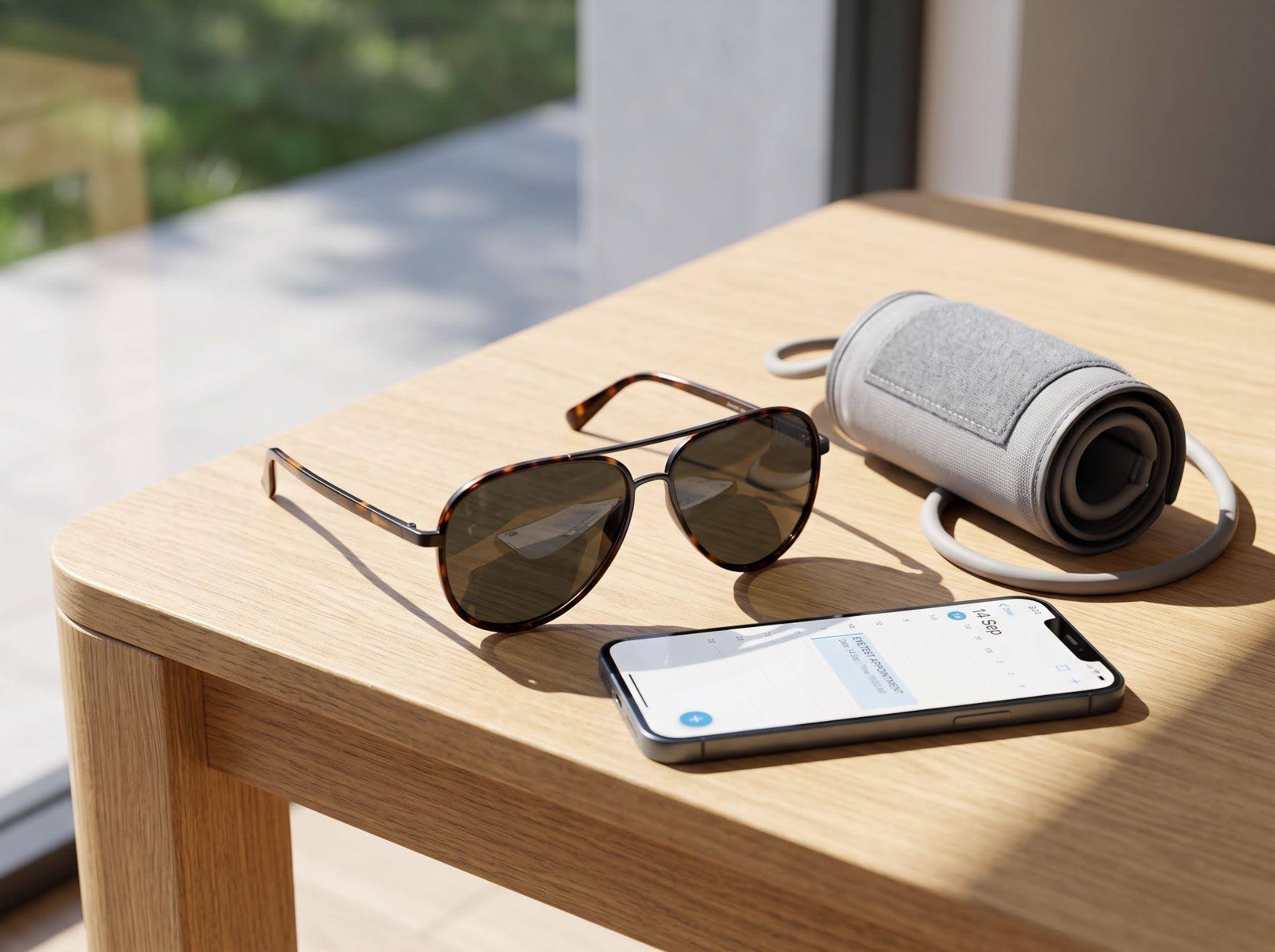
The natural ways to improve eye health with the strongest evidence are simple: stop smoking, wear sunglasses, keep blood sugar and blood pressure in range, and have your eyes tested.
Here is why each one matters:
- Smoking – chemicals in tobacco smoke can damage the cells and small blood vessels in the eye, which raises the risk of macular degeneration and cataract.
- Sunglasses – years of ultraviolet exposure raise the risk of cataract, so choose a pair labelled UV400 or 100% UV protection, not just a dark tint.
- Blood sugar – raised blood sugar from diabetes can damage the small blood vessels of the retina.
- Blood pressure – high blood pressure over many years can damage the same small vessels.
- Eye tests – a regular test can find glaucoma and macular degeneration early, when treatment tends to work best.
Cutting screen time is not on this list, because screens can cause temporary eye strain but are not known to cause lasting eye damage. Regular breaks usually ease the strain, but they do not protect against cataract, glaucoma or macular degeneration.
What to Do Next: Start With an Eye Test
Improving eye health after 40 depends mostly on a few habits kept up over years, and a regular eye test is the most useful of them. Your lens will stiffen whatever you do, but not smoking, wearing UV-protective sunglasses and keeping blood sugar and blood pressure in range can lower your risk of cataract and macular degeneration and help protect the small blood vessels in your retina.
None of these habits prevents glaucoma, which is why the eye test matters most. So if you are over 40, book an eye test, keep to the interval your optometrist suggests, and let them check the optic nerve and retina that you cannot see for yourself.
If your vision has changed, or glare from headlights at night has started to bother you, book sooner instead of waiting until your next test is due.






