






























Picture this: you’re at the park with your baby, and it’s time for a feeding. You reach into your bag only to realize the breast milk you pumped this morning has been sitting without proper cooling for over two hours. That sinking feeling of uncertainty—wondering whether the milk is still safe—is something no mother should have to experience. Breast milk is liquid gold, packed with antibodies and nutrients your baby needs, but it’s also highly sensitive to temperature fluctuations. Without proper storage, harmful bacteria can multiply rapidly, putting your little one’s health at risk. This is exactly where a breast milk cooler bottle becomes your most trusted companion on outings, daycare runs, and travel days. Designed specifically to maintain safe temperatures, these insulated bottles give you the freedom to leave home without compromising your baby’s nutrition. In this article, we’ll walk you through everything from choosing the right cooler bottle to using it effectively, plus the accessories that make on-the-go feeding seamless and stress-free.
The Importance of Breast Milk Safety on the Go
Breast milk contains living cells, enzymes, and immunoglobulins that begin to degrade when exposed to improper temperatures. Once milk rises above 40°F, bacteria can double every twenty minutes, transforming a perfectly safe feeding into a potential health hazard. For newborns with developing immune systems, consuming contaminated milk can lead to gastrointestinal infections, vomiting, and diarrhea—outcomes that are entirely preventable with proper storage. Beyond bacterial concerns, temperature fluctuations break down the fatty acids and proteins that make breast milk uniquely nourishing. Mothers who pump and transport milk to daycare, work, or family outings deserve the confidence that every drop remains as wholesome as when it was expressed. Knowing your milk is safely stored eliminates the guesswork and guilt, allowing you to focus on enjoying time with your baby rather than worrying about spoilage or waste.
Join The European Business Briefing
New subscribers this quarter are entered into a draw to win a Rolex Submariner. Join 40,000+ founders, investors and executives who read EBM every day.
SubscribeUnderstanding Breast Milk Cooler Bottles: What They Are and How They Work
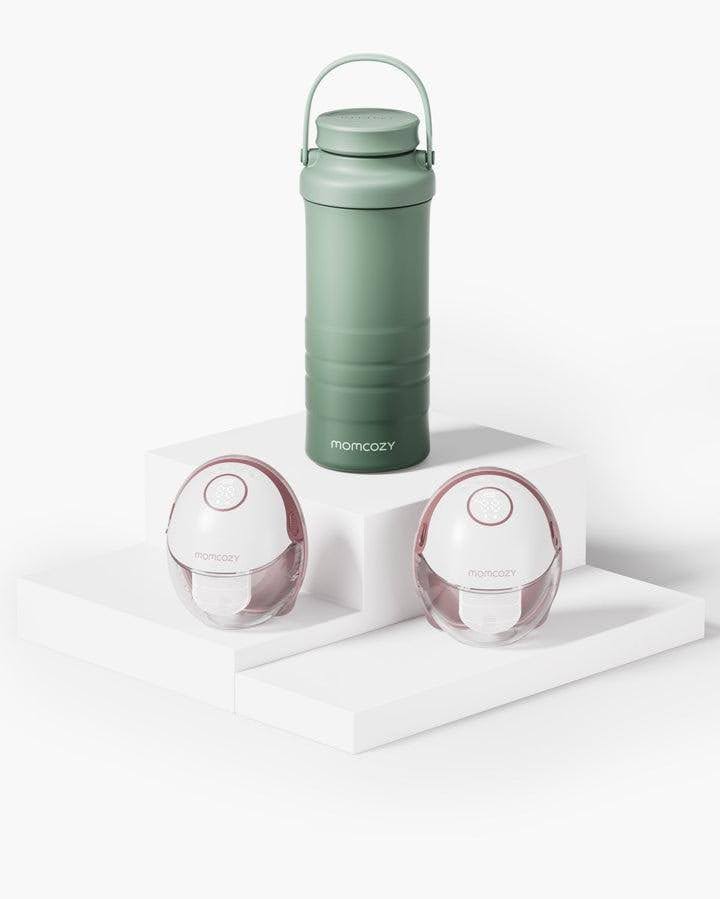
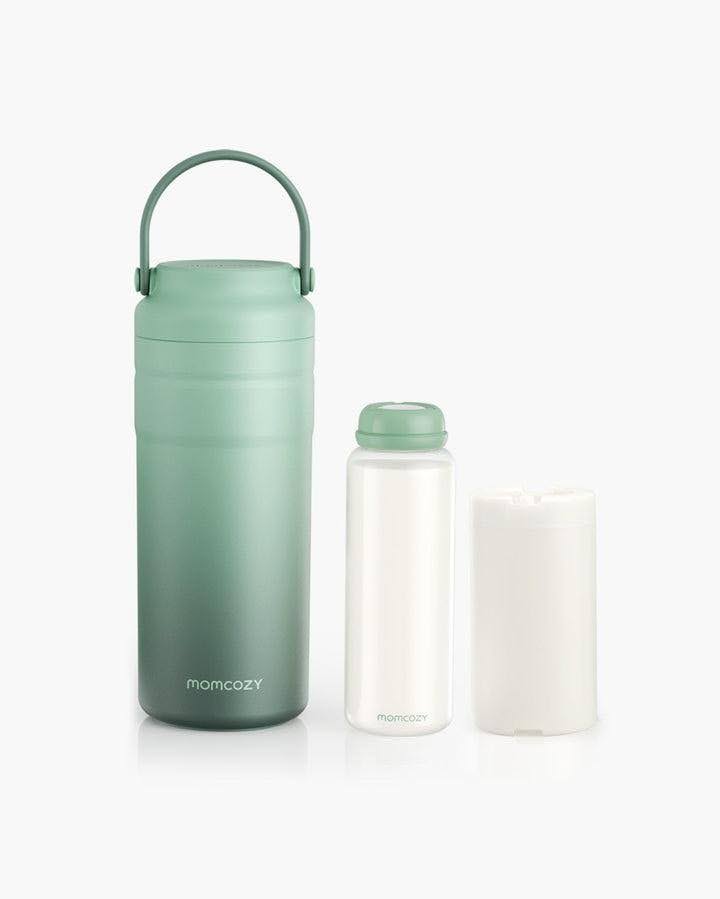
A breast milk cooler bottle is an insulated container engineered specifically to keep expressed breast milk at safe temperatures during transit. Unlike regular baby bottles made from single-layer plastic or glass, cooler bottles feature double-wall insulation—often incorporating vacuum-sealed technology or specialized foam layers—that creates a thermal barrier between the milk and the outside environment. Some models include built-in cooling elements or gel-lined walls that can be frozen before use, providing active cooling without the need for separate ice packs. The result is a portable vessel that can maintain temperatures below 40°F for several hours, depending on the design and ambient conditions. For mothers heading to the grocery store, meeting a friend for coffee, or managing a short commute to daycare, these bottles bridge the gap between pumping and feeding without requiring a full cooler setup. Their compact design fits easily into diaper bags and purses, making them far more practical than bulky insulated lunch bags for quick outings. The temperature retention capability means you can pump at home, transfer milk into the cooler bottle, and confidently feed your baby hours later knowing the nutritional integrity remains intact.
Key Features and Types of Cooler Bottles
When evaluating cooler bottles, several features distinguish a reliable product from an inadequate one. BPA-free and food-grade materials are non-negotiable, ensuring no harmful chemicals leach into the milk during storage. Leak-proof lids with silicone seals prevent spills inside your bag, while some advanced models incorporate integrated temperature indicators—small color-changing strips on the bottle’s exterior that signal whether the milk remains within safe range. You’ll find two primary categories on the market: single-use cooler bottles designed for occasional outings where convenience outweighs sustainability, and reusable cooler bottles built for daily use with durable stainless steel or reinforced insulated plastic construction. Reusable options typically offer superior insulation performance and are easier to disassemble for thorough cleaning, which matters when you’re washing bottles multiple times a day. Many reusable models are also dishwasher-safe, simplifying your routine and ensuring no milk residue builds up in hard-to-reach crevices.
How to Choose the Right Breast Milk Cooler Bottle for Your Needs
Selecting the ideal breast milk cooler bottle starts with understanding your daily routine and feeding patterns. If your baby feeds every two to three hours and you’re typically away for half a day, you’ll want a bottle with enough capacity to hold multiple feedings—or consider purchasing a set of smaller bottles that fit neatly together. Insulation efficiency matters most when matched to your typical outing duration; a quick errand requires less thermal performance than a full workday away from home. Check whether the bottle’s opening is compatible with your breast pump flanges, as direct-pump-to-bottle transfer eliminates unnecessary handling and reduces contamination risk. Portability should factor heavily into your decision—a slim profile that slides into your diaper bag’s side pocket is far more practical than a wide-base design that dominates your bag’s main compartment. Storage capacity also deserves attention; some mothers prefer individual feeding portions in separate bottles for daycare drop-offs, while others favor a larger single bottle for flexibility. Finally, consider how the bottle integrates with your existing portable feeding accessories, including nipple adapters and warming sleeves, so your entire system works together without requiring extra components.
Evaluating Brand and Safety Standards
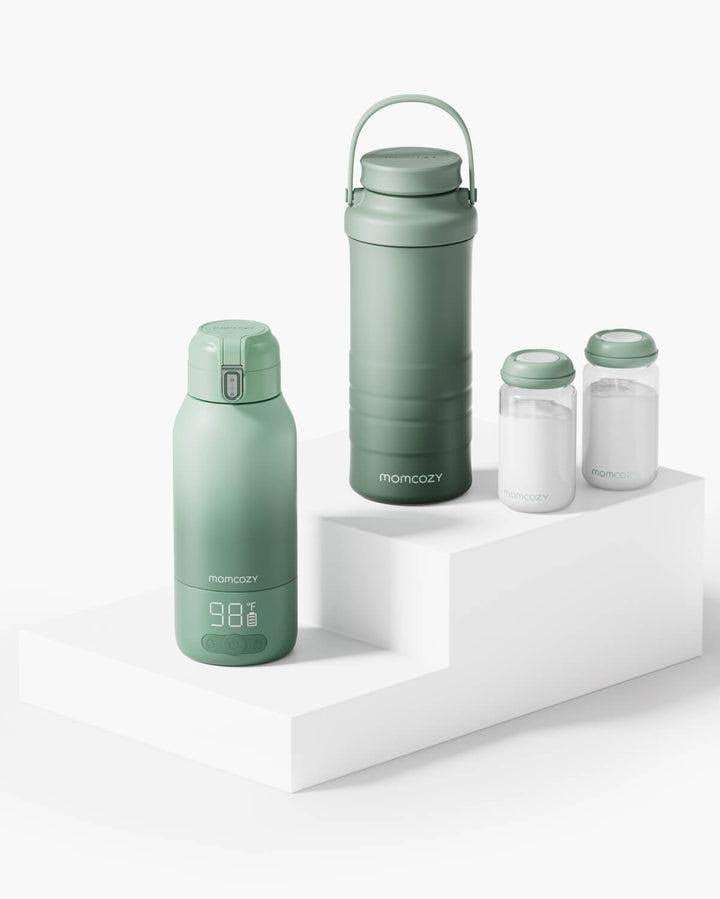
Before committing to any cooler bottle, verify that it carries FDA approval or meets recognized food-grade certifications, which confirm the materials won’t degrade or release toxins under temperature changes. Look for independent lab testing results when available, as these provide objective data on insulation claims rather than relying solely on marketing language. Reading reviews from other breastfeeding mothers offers real-world insight into how bottles perform after weeks of daily use—pay attention to comments about seal integrity, ease of disassembly, and whether insulation holds up over time. Brands like Momcozy, which focus specifically on the mother and infant space, often design their products with pump compatibility and everyday portability in mind, making integration into existing routines more seamless. Mothers who use bottles primarily for daycare should prioritize models that staff can easily identify and handle, with clear measurement markings and simple lid mechanisms. For longer trips or travel days, seek bottles with extended temperature retention ratings and compatibility with supplemental ice packs. Ultimately, the right choice aligns with your specific circumstances, whether that means a rugged stainless steel option for a commuting schedule or a lightweight insulated bottle for weekend outings at the farmer’s market.
Step-by-Step Guide to Using Cooler Bottles Safely and Efficiently
Having the right cooler bottle is only half the equation—using it correctly ensures your breast milk stays safe from the moment you express it until your baby drinks it. The process begins well before you leave home and continues through feeding and cleanup.
Preparation and Packing Techniques
Start by pre-cooling your cooler bottle at least thirty minutes before you plan to fill it. Place the empty bottle in the refrigerator or fill it with ice water and let it sit while you pump. This step lowers the internal surface temperature so the milk doesn’t encounter a warm container that could compromise its freshness from the start. If your bottle includes a removable gel liner or freezable insert, place it in the freezer the night before—this provides active cooling that supplements the insulation rather than relying on passive temperature maintenance alone. When you’re ready to pack, pour freshly expressed milk directly into the chilled bottle, seal it immediately with the leak-proof lid, and place it upright in your diaper bag. For mothers packing multiple feedings, label each bottle with the time expressed and arrange them in the order you’ll need them, keeping the first feeding most accessible. Pair the bottle with a frozen ice pack tucked alongside it for added thermal protection, especially on warm days when ambient temperatures work against you.
During Transport and Feeding
Once you’re on the move, keep the cooler bottle away from direct sunlight and heat sources like car dashboards or sunny stroller pockets. Position it in a shaded compartment of your bag, ideally surrounded by other items that provide additional insulation. If your outing extends beyond two hours, do a quick temperature check—bottles with built-in indicators make this effortless, but you can also touch the exterior to gauge whether it still feels noticeably cool. When feeding time arrives, you have two options: many babies accept cold or room-temperature milk without complaint, which is the safest approach since it avoids reheating complications. If your baby prefers warmer milk, use a portable bottle warmer or hold the sealed bottle under warm running water for a few minutes—never microwave breast milk, as this creates dangerous hot spots and destroys beneficial antibodies. Once your baby finishes, any milk remaining in the bottle after a feeding should be used within two hours or discarded, as bacteria from the baby’s mouth enter the milk during sucking. After each outing, disassemble the bottle completely, wash all components with hot soapy water or place them in the dishwasher if compatible, and allow everything to air dry thoroughly before reassembling. This prevents mold growth in gaskets and seals, keeping your bottle hygienic for tomorrow’s adventure. Avoid the common mistake of topping off a partially consumed bottle with fresh milk, and never mix milk expressed at different temperatures without first cooling the warmer batch separately.
Enhancing Safety with Accessories: Breastmilk Cooler Bags and Insulated Bags
While cooler bottles handle individual feedings beautifully, longer outings and daycare days often demand more robust solutions. A breastmilk cooler bag serves as a protective shell around your bottles, adding an extra layer of insulation that extends safe storage time by several hours. These bags typically feature thick foam padding lined with reflective material that deflects external heat, creating a microenvironment where temperatures stay consistently low even on hot summer days. Insulated bags designed specifically for breast milk often include dedicated compartments that hold bottles upright, preventing leaks and keeping ice packs in direct contact with each container. When selecting a cooler bag, prioritize models with high-density insulation, easy-to-clean interior linings, and adjustable straps that make carrying comfortable alongside your diaper bag or purse. For daycare scenarios, a compact insulated bag that fits neatly into a cubby keeps your labeled bottles organized and identifiable by caregivers.
Integrating Cooler Bags into Your Routine
Building a cooler bag into your daily workflow becomes second nature once you establish a system. Dedicate one bag exclusively for breast milk storage so it’s always clean and ready to grab. Pack it the night before with frozen gel packs so the interior is thoroughly chilled by morning. For daycare drop-offs, arrange bottles chronologically inside the bag with feeding times clearly marked, allowing staff to pull the correct bottle without rummaging. On longer outings like road trips or family gatherings, use the bag to store not just bottles but also portable feeding accessories—nipple adapters, burp cloths, and a small bottle brush for quick rinses. A well-organized daycare bottle cooler setup means you spend less time explaining logistics to caregivers and more time feeling confident that your baby’s nutrition is handled properly throughout the day.
Tips for Easy Transportation of Feeding Accessories on the Go
Streamlining your on-the-go feeding setup comes down to smart organization and intentional packing. Assign dedicated compartments in your diaper bag for specific items—cooler bottles in an insulated side pocket, nipple adapters and caps in a small zippered pouch, and burp cloths within arm’s reach at the top. This eliminates frantic digging when your baby is hungry and crying. Choose portable feeding accessories that are lightweight and compact; collapsible bottle brushes, slim ice packs that conform to bottle shapes, and multi-use clips that secure bags to strollers all reduce bulk without sacrificing functionality. Consider a modular bag system where your breastmilk cooler bag detaches from your main diaper bag, allowing you to hand off just the feeding essentials at daycare without unpacking everything. For travel days involving flights or long car rides, pack a small separate kit with two pre-chilled cooler bottles, a portable warmer, and disposable storage bags as backup. Keeping your system consistent each day means you never forget a critical component, and the routine becomes automatic—grab, go, and feed with confidence wherever the day takes you.
Feed Confidently Anywhere with the Right Cooler Bottle System
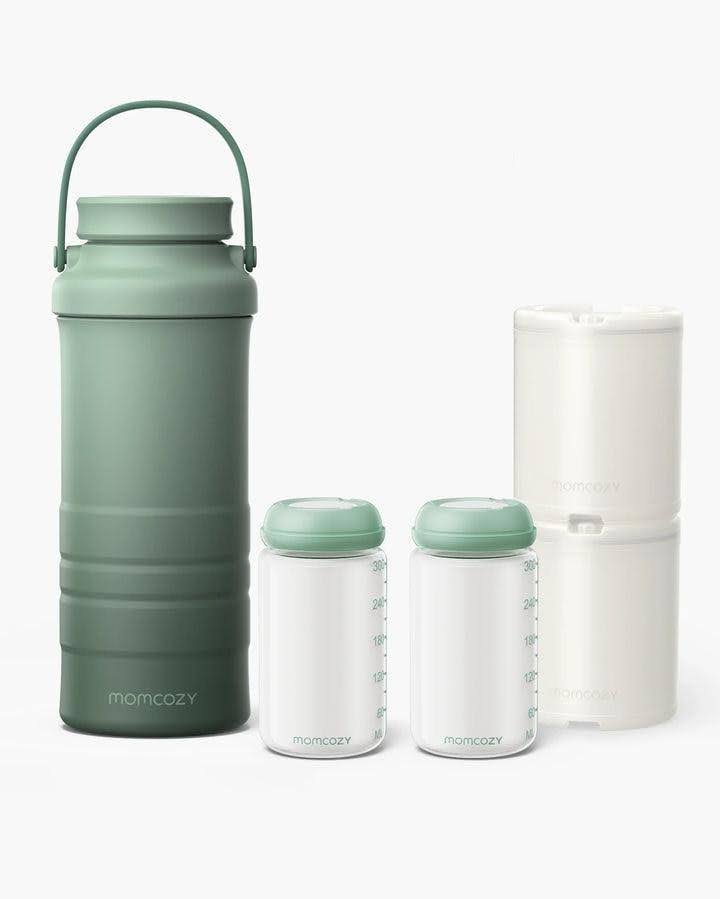
Keeping breast milk safe during outings doesn’t have to be a source of anxiety. With the right breast milk cooler bottle, you gain a reliable way to preserve the nutrients, antibodies, and freshness your baby depends on—whether you’re running errands, commuting to work, or spending a full day away from home. The key lies in choosing a bottle that matches your routine in terms of capacity, insulation performance, and pump compatibility, then using it correctly by pre-chilling, monitoring temperatures, and following proper hygiene practices after every use. Pairing your cooler bottle with a quality breastmilk cooler bag and thoughtfully organized portable feeding accessories creates a complete system that works seamlessly day after day. When your setup is consistent and intentional, feeding on the go becomes one less thing to worry about. You’ve worked hard to provide your baby with breast milk—these tools simply ensure that effort isn’t wasted. Embrace the routine, trust your preparation, and step out the door knowing every feeding will be as safe and nourishing as if you were at home.






