





























Most injection molding projects aren’t purely plastic. Somewhere along the way, you need metal components. These might be threaded inserts, alignment pins, mounting brackets, or functional hardware that gets assembled with the molded parts.
For our project, our mold supplier handled the plastic components, but we still needed to source a batch of CNC-machined aluminum parts to ship alongside the molded components to our assembly partner.
This article covers our first experience sourcing CNC parts with Haizol. My focus was on whether the quoting process would remain realistic after suppliers reviewed the drawing, whether communication would be smooth, and whether the platform would help reduce common sourcing issues such as unclear capabilities, wide pricing swings, and late-stage surprises.
Join The European Business Briefing
New subscribers this quarter are entered into a draw to win a Rolex Submariner. Join 40,000+ founders, investors and executives who read EBM every day.
Subscribe
What We Ordered
We submitted an RFQ for a pin model part under turning, material aluminum, with machining requirements as specified in the drawing. The quoted quantity was 500 pieces, and the part size category was small (10 mm < x ≤ 250 mm).
We uploaded both a PDF drawing and a STEP file. The requested delivery date on the RFQ was 2 months from submission, placed as a one-time order.
RFQ Submission and Account Verification
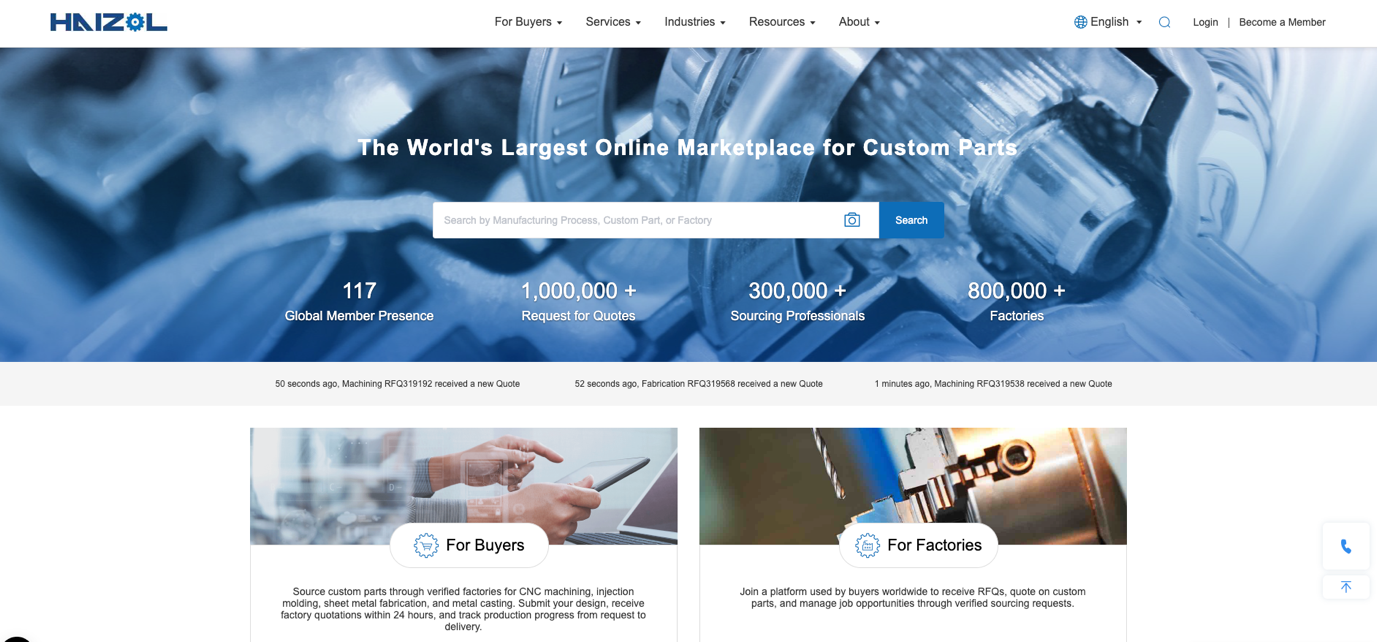
The RFQ submission itself was quick compared with instant-quote platforms that require long DFM questionnaires before you can even upload files.
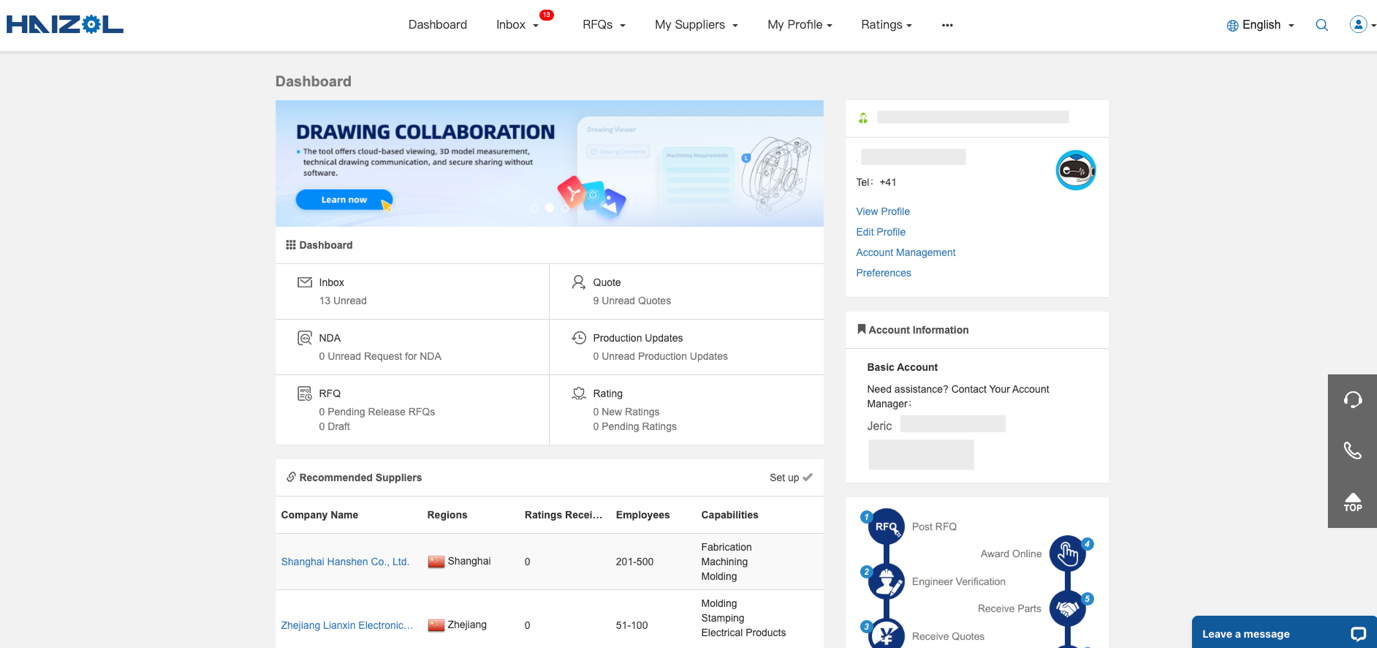
Since this was our first order on Haizol, my key account manager Jeric contacted us shortly after submission and scheduled a short call. He explained how the platform workflow works in practice, including how quotes come back, how supplier profiles should be reviewed, and how messaging and NDA handling are managed in the dashboard.
He also did a basic legitimacy check on our side before pushing the RFQ forward, confirming our business contact details and verifying information like our company website and address.
The downside for first-time users is that this additional human verification layer slows the process down. The quoting is not instant in the same way as fully automated pricing platforms.
Quote Turnaround and Pricing Signals
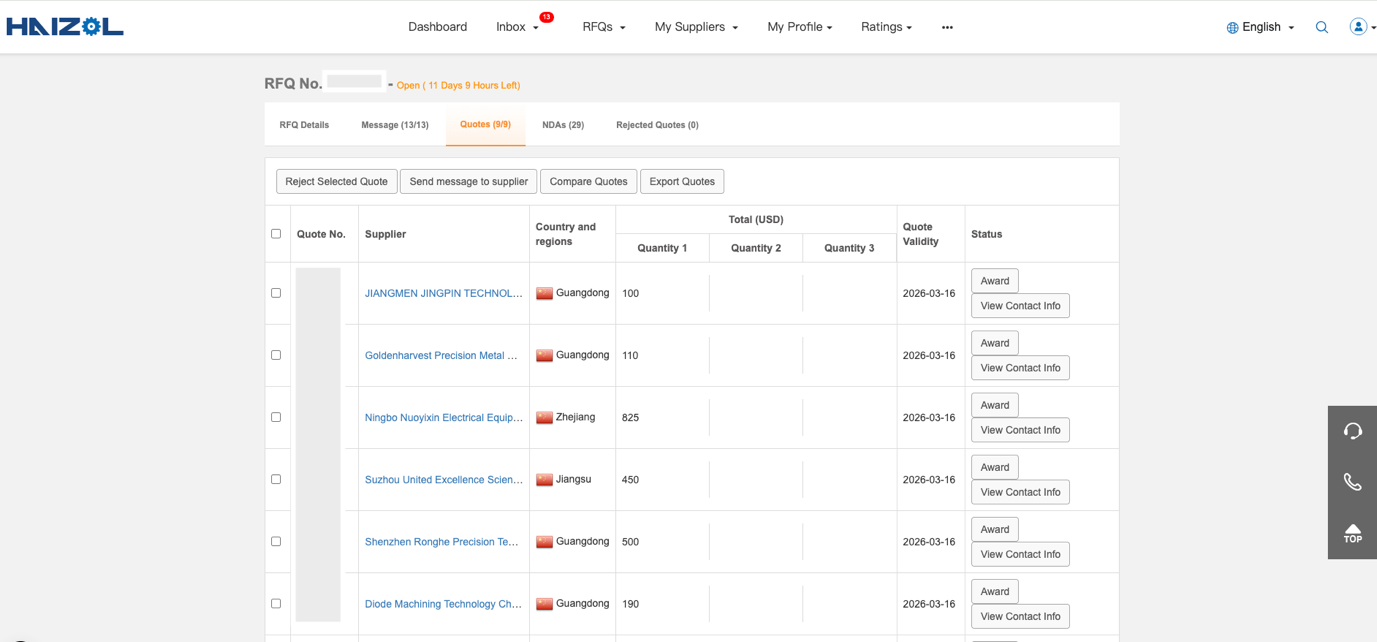
By the next morning, we received nine quotations. The price spread was pretty wide, and we treated the lowest quotes as a risk signal rather than automatically selecting them.
In my experience, unusually low pricing often means something was missed. This could be fixturing, inspection scope, tolerance interpretation, or finishing expectations, any of which can later show up as price changes or production issues. For that reason, we used pricing as one input but focused more on credibility and technical fit.
Supplier Verification and Trust
One thing I liked is that the quotes came through a network of factories, presented as verified and having undergone a qualification process before being allowed to quote. That does not guarantee perfect execution, but it reduces the amount of random outreach and spam you often get on open marketplaces.
I also liked that the platform is positioned as providing direct factory pricing and does not charge the buyer a separate service fee for submitting RFQs and receiving quotations. That made the quote comparison feel more transparent.
Supplier Evaluation and Communication Quality
The supplier profile pages attached to each quote were one of the most useful parts of the workflow.
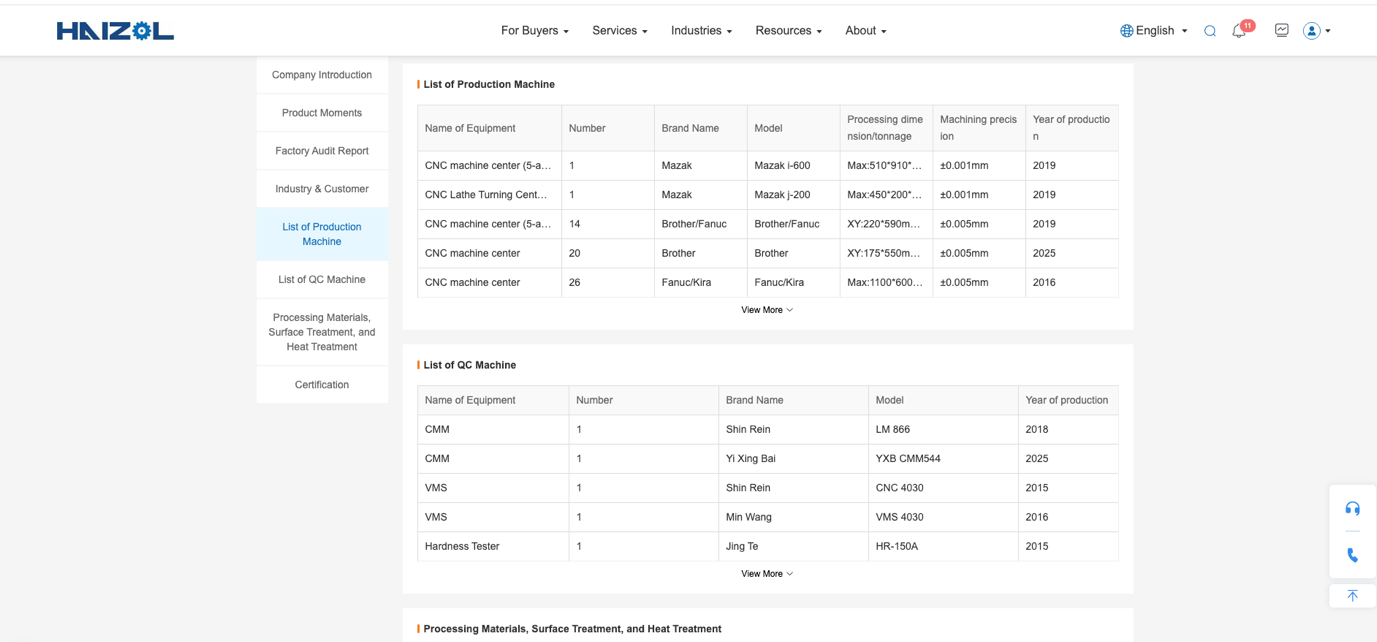
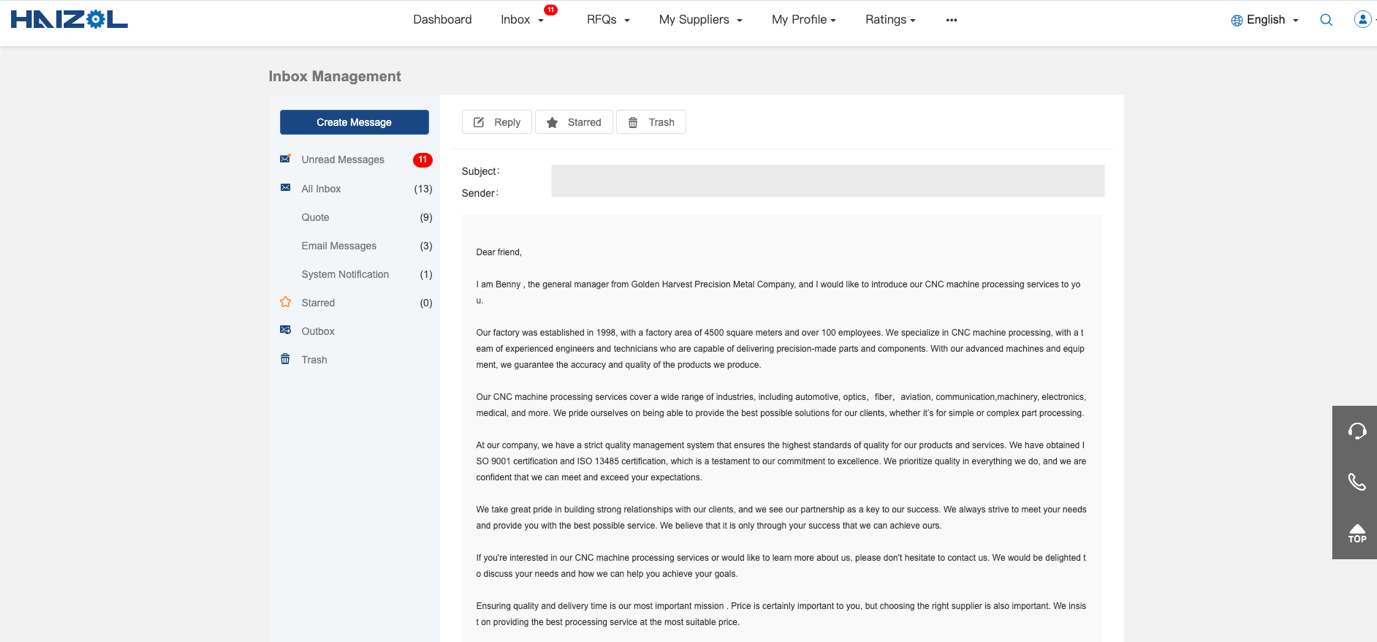
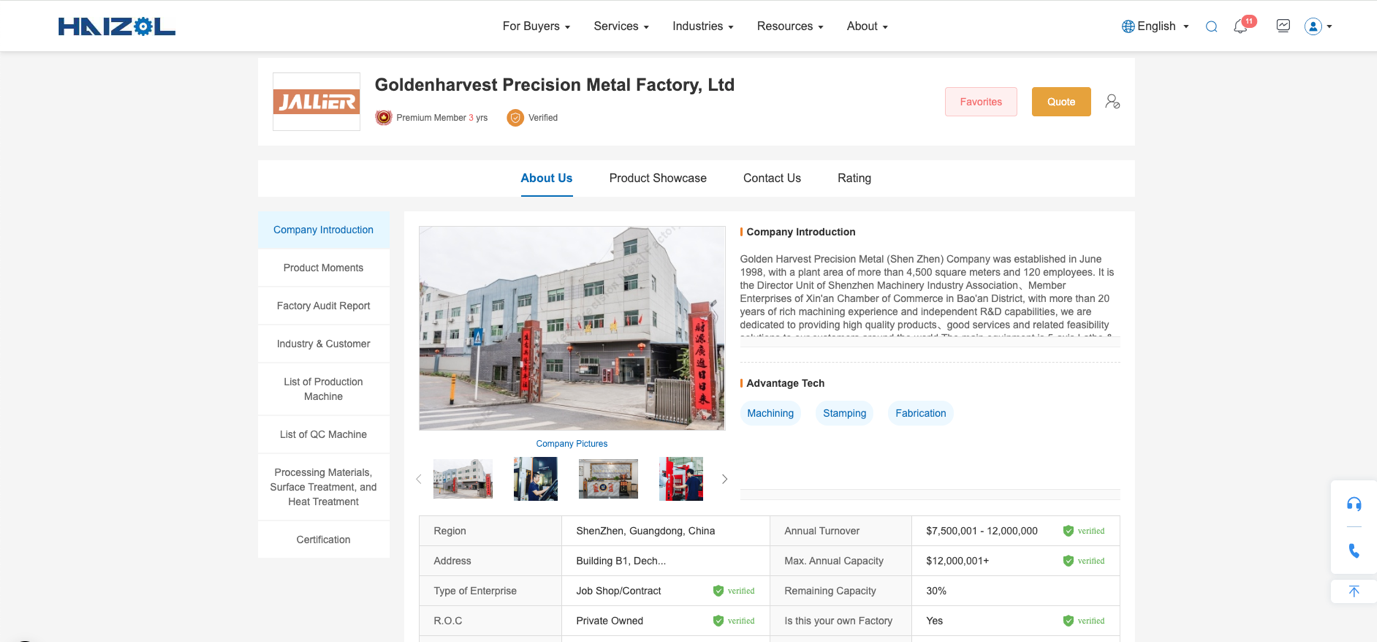 Instead of judging only on price and lead time, we could review equipment lists, QC resources, and any certifications shown in the profile. Communication quality varied between suppliers. Some replies were short and generic, while others showed more evidence that the drawing had been reviewed.
We prioritized suppliers who asked clarification questions. Supplier silence on technical details is often an early warning sign that the part has not been fully understood.
Award Decision
After reviewing quotes, profiles, and message quality, we awarded the order to Goldenharvest. The decision was based on a balance of pricing and credibility signals rather than selecting the lowest unit price.
Lead Time and Current Status
The requested delivery date shown on the RFQ was 2 months from our submission. At the time of writing, we have not received the parts yet, so this review does not cover dimensional inspection results, surface finish consistency, defect rate, packaging quality, or whether inspection documentation, such as a dimensional report or material certificate, is included.
Pricing Fairness vs Expectations
Based on the quotes we received, I estimate that Haizol’s pricing was roughly 75% cheaper than sourcing locally and 25% cheaper than using larger, more prominent Chinese CNC machining platforms online. It did not feel like “too good to be true” pricing across the board, but the range between suppliers was large enough that you still needed to filter carefully.
Would We Reorder
Based on this first-time CNC machining experience, I would use Haizol again for sourcing CNC parts online, where I want multiple quotes quickly and the ability to validate factory capability before awarding.
Whether we reorder from the same supplier will depend on the incoming inspection results and whether the delivered parts meet the drawing requirements without unexpected changes to cost or lead time assumptions. However, the sourcing workflow and pricing outcome were strong enough that I would do it again.
Summary verdict: not an instant-quote experience due to first-time verification, but the verified supplier access, direct factory pricing, and cost savings made it worth using again.
Rating 4.7 out of 5