































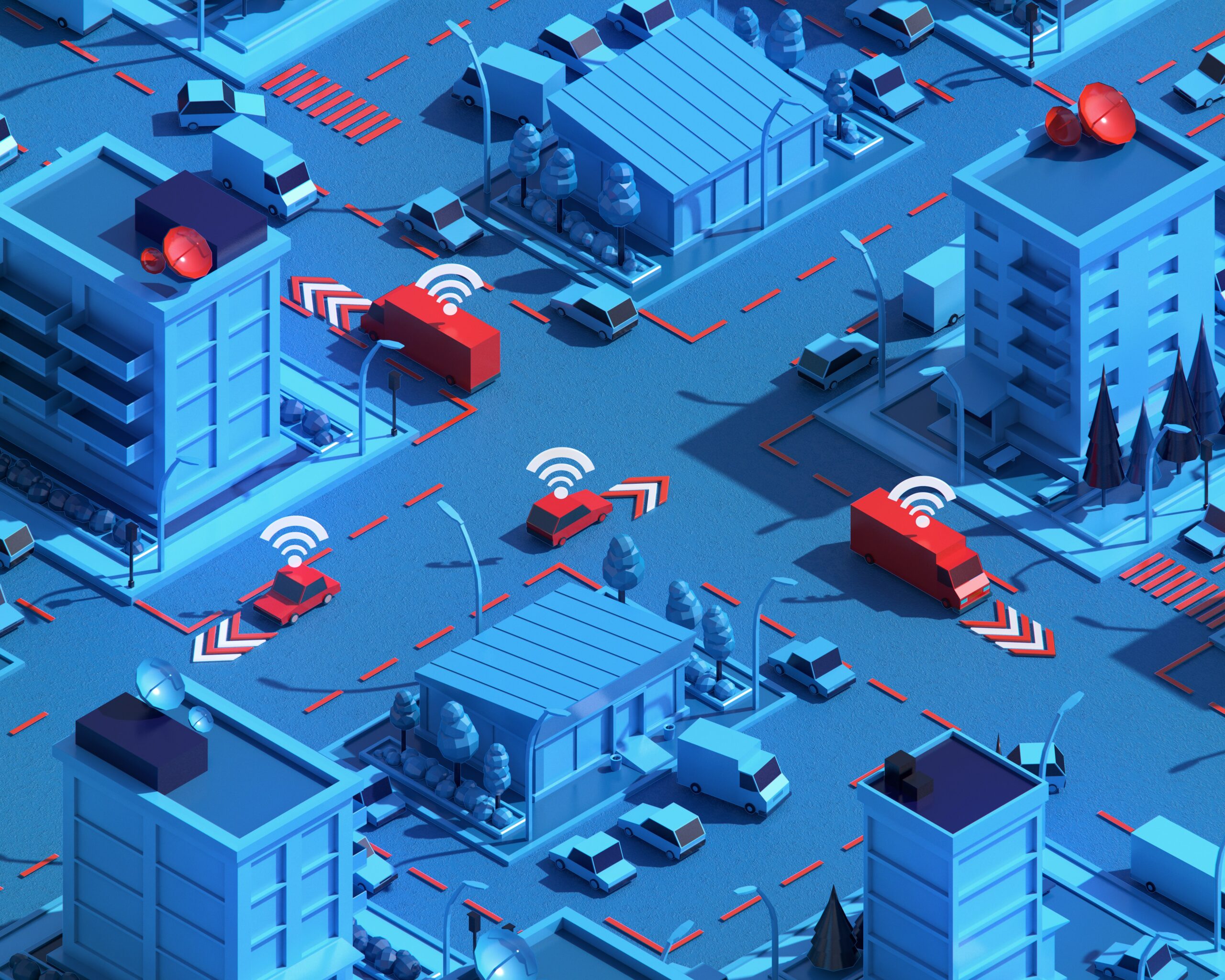
In the modern logistics and transportation industry, efficiency is no longer just an advantage—it is a necessity for survival. As companies strive to balance rising fuel prices with increasing customer demands, the role of advanced technology has become pivotal. Effective fleet management depends heavily on the ability to monitor assets in real-time, and GPS tracking stands at the forefront of this digital transformation. By integrating Global Positioning Systems (GPS) into daily operations, businesses can move beyond simple location tracking to achieve significant cost savings and data-driven decision-making.
1. Substantial Reduction in Fuel Expenses
Fuel is typically the largest recurring expense for any fleet. GPS tracking systems help reduce these costs through several key mechanisms:
- Idling Monitoring: Excessive engine idling wastes a surprising amount of fuel. GPS trackers alert managers when a vehicle stays stationary with the engine running for too long, allowing for driver coaching.
- Route Optimization: Instead of relying on traditional paths, GPS software calculates the most efficient routes, considering traffic patterns and road conditions. Shorter distances directly translate to lower fuel consumption.
- Reducing Unauthorized Use: By monitoring vehicle locations 24/7, companies can ensure that company assets are not being used for personal errands or side jobs after hours.
2. Improving Decision-Making with Real-Time Data
Data is the backbone of smart leadership. Without GPS tracking, managers are often “flying blind,” relying on manual logs that can be prone to error.
Join The European Business Briefing
New subscribers this quarter are entered into a draw to win a Rolex Submariner. Join 40,000+ founders, investors and executives who read EBM every day.
SubscribeWith a tracking system, fleet managers gain access to a central dashboard that provides a bird’s-eye view of the entire operation. This allows for proactive decision-making. For instance, if a vehicle breaks down or a new high-priority delivery comes in, managers can identify the closest available driver immediately. This level of agility ensures that resources are allocated where they are needed most, reducing downtime and improving service reliability.
3. Enhanced Vehicle Maintenance and Longevity
Unexpected repairs can derail a budget and cause significant delays. GPS tracking systems often include diagnostic features that monitor the “health” of a vehicle.
- Preventative Maintenance Alerts: You can set alerts based on mileage or engine hours. This ensures that oil changes, tire rotations, and inspections happen on time, preventing minor issues from turning into expensive engine failures.
- Wear and Tear Reduction: By encouraging better driving habits and more efficient routes, the physical strain on the vehicle is reduced, extending the overall lifespan of the fleet.
4. Better Driver Behavior and Safety
The way a driver handles a vehicle significantly impacts the company’s bottom line. GPS tracking provides insights into aggressive driving behaviors such as:
- Harsh braking
- Rapid acceleration
- Speeding
When drivers know they are being monitored, they tend to drive more safely. This leads to fewer accidents, which lowers insurance premiums and reduces the legal risks associated with fleet operations. Furthermore, safer driving habits contribute to better fuel economy and less frequent mechanical repairs.
5. Enhanced Customer Satisfaction
In today’s “on-demand” economy, customers expect transparency. GPS tracking allows companies to provide accurate Estimated Times of Arrival (ETAs). If a driver is delayed due to traffic, the dispatcher can inform the customer before they have to call and ask. This transparency builds trust and can be a major selling point when bidding for new contracts.






