































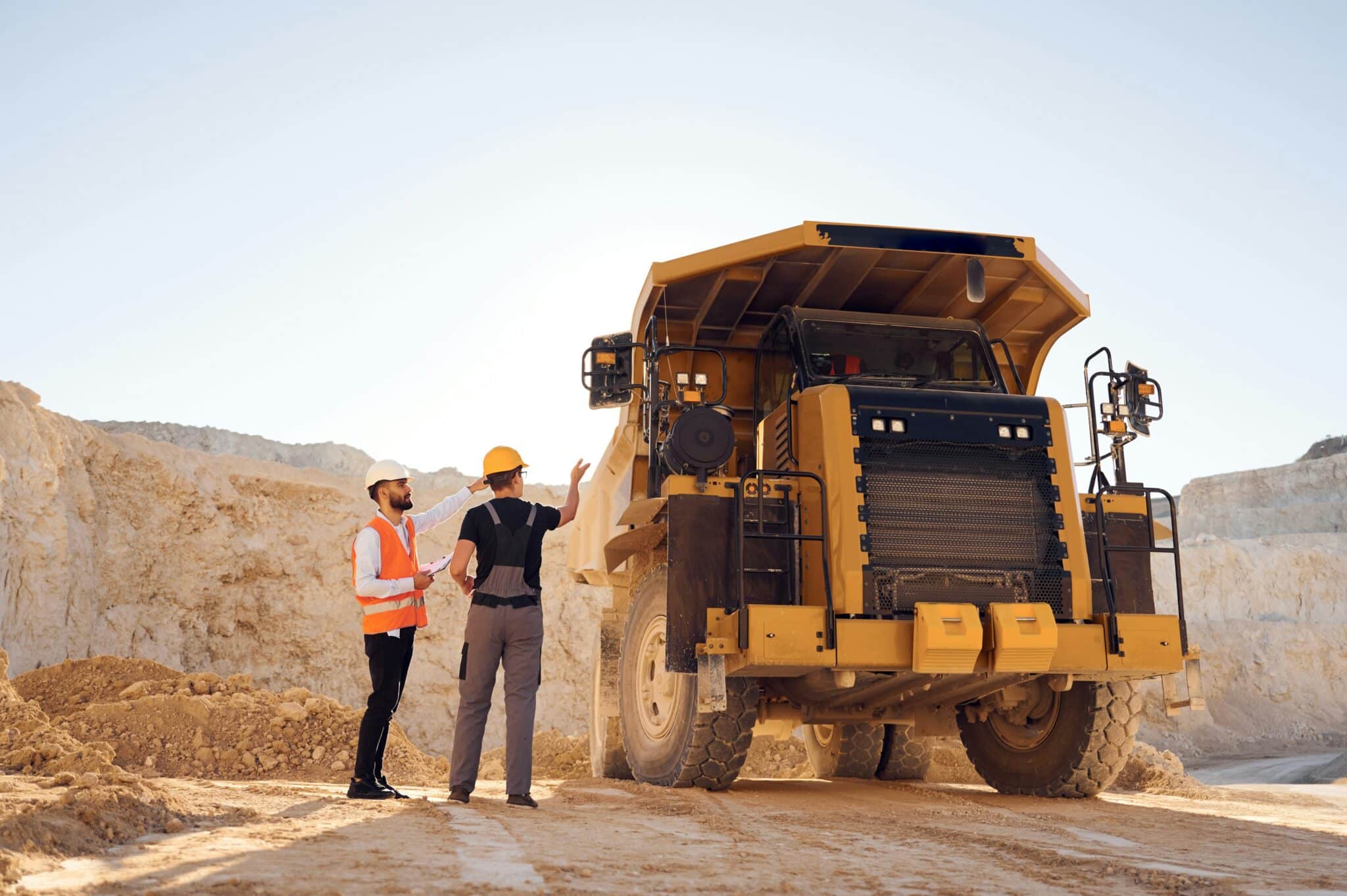
Mining work carries real danger for every person who steps onto an active site. Underground job sites are dangerous, with falling rock and heavy machinery closing in on tight spaces. Workers face very different threats depending on exactly where they are stationed each shift. A general safety course simply cannot cover the exact layout of a single working mine. Ventilation systems, escape routes, lighting, and equipment all vary widely from one site to the next. Training that reflects those specific real world details gives workers a much stronger chance of staying safe.
Understanding Mining Risk Factors
Every mine presents its own unique combination of physical and environmental risks. Rock stability shifts based on depth, moisture levels, and the type of stone being cut nearby. Every mine has its own layout and equipment. CPaT Training Solutions builds your training around that, not a generic course. Heavy vehicles move constantly through narrow corridors where visibility is often severely limited. Gas buildup can happen quickly inside poorly ventilated tunnels without proper monitoring. Workers who complete site specific mining safety training learn the exact hazards tied closely to their own daily work area.
Join The European Business Briefing
New subscribers this quarter are entered into a draw to win a Rolex Submariner. Join 40,000+ founders, investors and executives who read EBM every day.
SubscribeWhy Standardized Training Falls Short
Standardized courses are typically built to satisfy broad regulatory checklists rather than specific site needs. They cover general topics like personal protective equipment and basic hazard awareness only. These lessons rarely explain your mine’s own tunnels and ramps, let alone the machinery you will actually run. Workers may pass a written test without ever actually seeing their real work environment. This gap creates a false sense of preparedness among many new hires on the job. Real confidence only comes from training that closely mirrors conditions workers will actually face underground.
The Role of Site Specific Preparation
Preparation built entirely around a single location changes how workers respond during real emergencies. They already know exactly which corridor leads to the nearest safe exit. They recognize the sound of equipment that should not be running nearby at all. They understand where ventilation weakens and exactly where gas monitors matter most. This deep familiarity reduces hesitation during genuinely high pressure moments underground. Making faster, more confident decisions can be the difference between walking away and getting seriously hurt.
Building Safer Habits Through Practice
Repetition inside a realistic setting helps workers build habits that hold up firmly under stress. Practicing evacuation routes at the actual physical site removes most guesswork during a real event. Hands on drills using real equipment models reduce operator error significantly over time. Teams that train together on their own home site communicate far more clearly during emergencies. Shared, highly specific knowledge creates a much stronger safety culture across every single shift. These practical habits carry forward long after the formal training session officially ends.
Measuring Long Term Safety Gains
Mines that invest consistently in tailored training programs often see far fewer incident reports over time. Fewer near misses translate directly into lower insurance costs and much less downtime. Workers report feeling noticeably more capable and less anxious about their daily tasks underground. Supervisors gain much clearer visibility into where additional coaching may still be genuinely needed. Consistent, site focused instruction gradually builds a safety record that improves year after year. These gains rarely show up overnight. But if you keep investing over the long term, they tend to add up steadily.
A generic course cannot teach you the tunnels and routines that make your mine different from every other one. Real preparation means training on those exact conditions, not a general checklist. When crews know their own site inside and out, they catch problems before those problems become injuries. That kind of familiarity, built shift after shift, is what actually keeps people safe underground.






