





























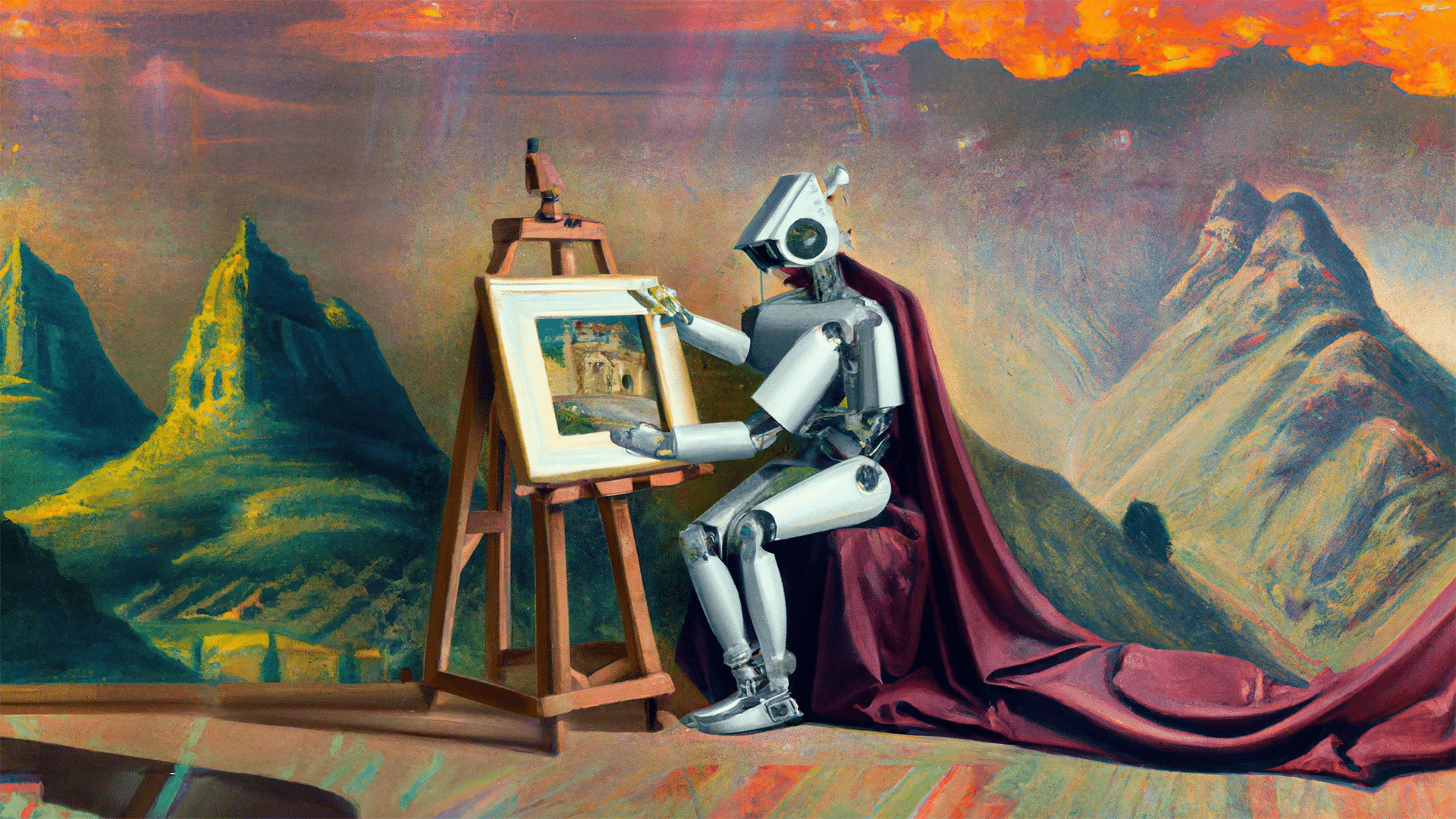
Artificial intelligence has changed the way people create, edit, and personalize digital images. Tasks that once required advanced knowledge of photo editing software can now be completed with AI powered image creation tools in just a few clicks. From transforming photographs into artistic illustrations to changing backgrounds, improving image quality, and applying recognizable visual styles, AI filters have become an important part of modern digital creativity.
AI image filters work by using machine learning models to analyze visual information and apply specific transformations. These tools can recognize faces, objects, colors, textures, and compositions, allowing users to create customized results without manually editing every element. As the technology continues to develop, AI filters are becoming more accurate, accessible, and useful for creators, marketers, businesses, and everyday users.
AI Filters and the Evolution of Image Creation
Traditional image editing often requires users to understand layers, masks, brushes, color adjustments, and other technical features. AI image tools simplify many of these processes by automating complex editing tasks. A user can upload an image, choose a desired effect, and allow the AI model to generate a transformed version.
Join The European Business Briefing
New subscribers this quarter are entered into a draw to win a Rolex Submariner. Join 40,000+ founders, investors and executives who read EBM every day.
SubscribeFor example, an AI image generator can turn a standard photograph into an illustration, cartoon, painting, or cinematic composition. Other tools can remove unwanted objects, replace backgrounds, adjust lighting, or create entirely new images from written descriptions.
The development of generative AI has made these capabilities even more powerful. Instead of applying a simple predefined filter, modern systems can interpret a user’s instructions and generate visual changes based on context. This makes AI image editing more flexible than conventional filters.
How AI Image Filters Work
AI image filters generally rely on machine learning models that have been trained using large collections of images. During training, these models learn relationships between visual elements, artistic styles, colors, shapes, and compositions. Modern AI filters can apply creative effects to photographs while preserving important details, making them useful for both casual editing and professional image creation.
Tools such as the boondocks filter demonstrate how AI powered image effects can transform an ordinary photograph into a distinctive visual style. Instead of simply adding a basic color overlay, advanced AI systems can analyze facial features, backgrounds, textures, and other elements before generating a more detailed transformation.
When a user uploads an image, the AI analyzes its visual characteristics. Depending on the tool, the system may identify subjects, facial features, backgrounds, objects, or other important details. It then applies the requested transformation while attempting to preserve the elements that should remain unchanged.
Generative AI models can go further by creating new visual information. If a user asks an AI tool to replace a background with a beach scene, for instance, the model can generate appropriate environmental details rather than simply placing a static image behind the subject.
This process allows AI filters to produce results that are more context aware and customizable than many traditional photo editing filters.
Popular Uses of AI Image Creation Tools
AI filters are useful in many areas of digital content creation. Social media users can transform personal photographs into creative artwork, while professional designers can use AI to develop concepts and visual references.
Businesses can also use AI image generation for marketing campaigns. Product photographs can be adapted for different platforms, backgrounds can be changed, and promotional graphics can be created without arranging a new photo session for every variation.
Content creators can use AI filters to develop thumbnails, illustrations, profile images, and other visual assets. E-commerce businesses can use AI powered editing to create consistent product imagery, remove distracting backgrounds, and generate lifestyle scenes.
Another important application is experimentation. AI allows users to test different visual concepts quickly, making it easier to explore creative directions before investing significant time in manual production.
AI Style Transformation and Creative Effects
One of the most popular capabilities of AI image tools is style transformation. These systems can reinterpret an existing image using characteristics associated with different artistic approaches.
A photograph may be transformed into a digital illustration, watercolor style artwork, animated appearance, comic inspired image, or realistic cinematic scene. The AI does not simply place a conventional color overlay on the original picture. Instead, advanced models can regenerate visual details to create an entirely different appearance.
This technology has become especially popular among social media creators because it allows ordinary photographs to become more distinctive. Users can experiment with different aesthetics while maintaining important elements of the original composition.
However, creators should consider copyright and intellectual property issues when requesting styles that closely imitate living artists or protected commercial characters. Responsible use of AI tools involves understanding how generated content can be used and whether additional permissions are necessary.
Benefits of AI Powered Image Editing
The biggest advantage of AI image editing is efficiency. A process that might previously have taken several hours can often be completed in minutes.
AI tools can also make advanced editing accessible to people without professional design experience. Simple interfaces allow users to describe what they want, select an effect, and review the generated result.
Another benefit is experimentation. Because AI can generate multiple variations quickly, creators can compare different compositions, styles, colors, and visual concepts before selecting the strongest result.
AI tools can also support consistency. Businesses producing large amounts of visual content can establish repeatable workflows for backgrounds, product presentations, branding elements, and promotional materials.
Despite these benefits, AI generated images are not always perfect. Hands, facial details, text, reflections, and small objects can sometimes contain errors. Users should therefore review generated images carefully before publishing them.
Choosing the Right AI Image Tool
The best AI image tool depends on the users specific objective. Someone looking for creative transformations may prioritize style options and image effects, while a professional designer may need detailed editing controls and high resolution exports.
Users should also consider the tools image quality, generation speed, customization options, privacy policies, commercial usage rights, and pricing. Some platforms provide free generations with limitations, while others offer subscription plans with additional features.
It is also useful to test several tools before choosing one. Different AI models can produce noticeably different results from the same prompt or source image. Comparing outputs can help users identify the platform that best matches their creative requirements.
Responsible Use of AI Generated Images
As AI image generation becomes more common, responsible use is increasingly important. Users should avoid creating misleading images intended to deceive others, especially when realistic edits could be mistaken for authentic photographs.
Privacy should also be considered when uploading personal photographs to online AI services. Before using an unfamiliar platform, users should review its privacy practices and understand how uploaded images may be processed or stored.
Creators should also check licensing terms when using AI generated content commercially. Not every platform provides the same rights, and the ability to generate an image does not automatically mean that every use is permitted.
The Future of AI Image Creation
AI image technology is likely to become even more integrated into everyday creative software. Future systems may provide greater control over individual objects, characters, lighting, camera angles, and environments.
Real time generation could also make AI editing more interactive. Instead of generating a complete image and then reviewing it, users may be able to adjust individual elements while seeing changes immediately.
Another important development will be improved consistency. AI models are becoming better at maintaining the appearance of people, products, and environments across multiple images. This could be particularly valuable for advertising, entertainment, online retail, and digital publishing.
As these systems improve, the distinction between traditional editing and AI assisted creation will continue to become less clear. AI will increasingly function as a creative assistant, helping users turn ideas into visual content more efficiently.
Conclusion
AI image filters and image creation platforms are changing digital creativity by making advanced visual editing faster and easier to access. From artistic transformations to product photography and automated design, these technologies provide creators with new ways to experiment and produce content.
Tools and trends such as the boondocks filter also demonstrate how AI based visual effects can turn familiar images into distinctive creative experiences. As AI models continue improving, users can expect more realistic results, stronger customization, and greater control over generated imagery. By combining AI capabilities with human creativity and responsible usage, creators can make the most of this rapidly developing technology.






