































EBM Newsdesk Analysis — By Nick Staunton, Editor-in-Chief
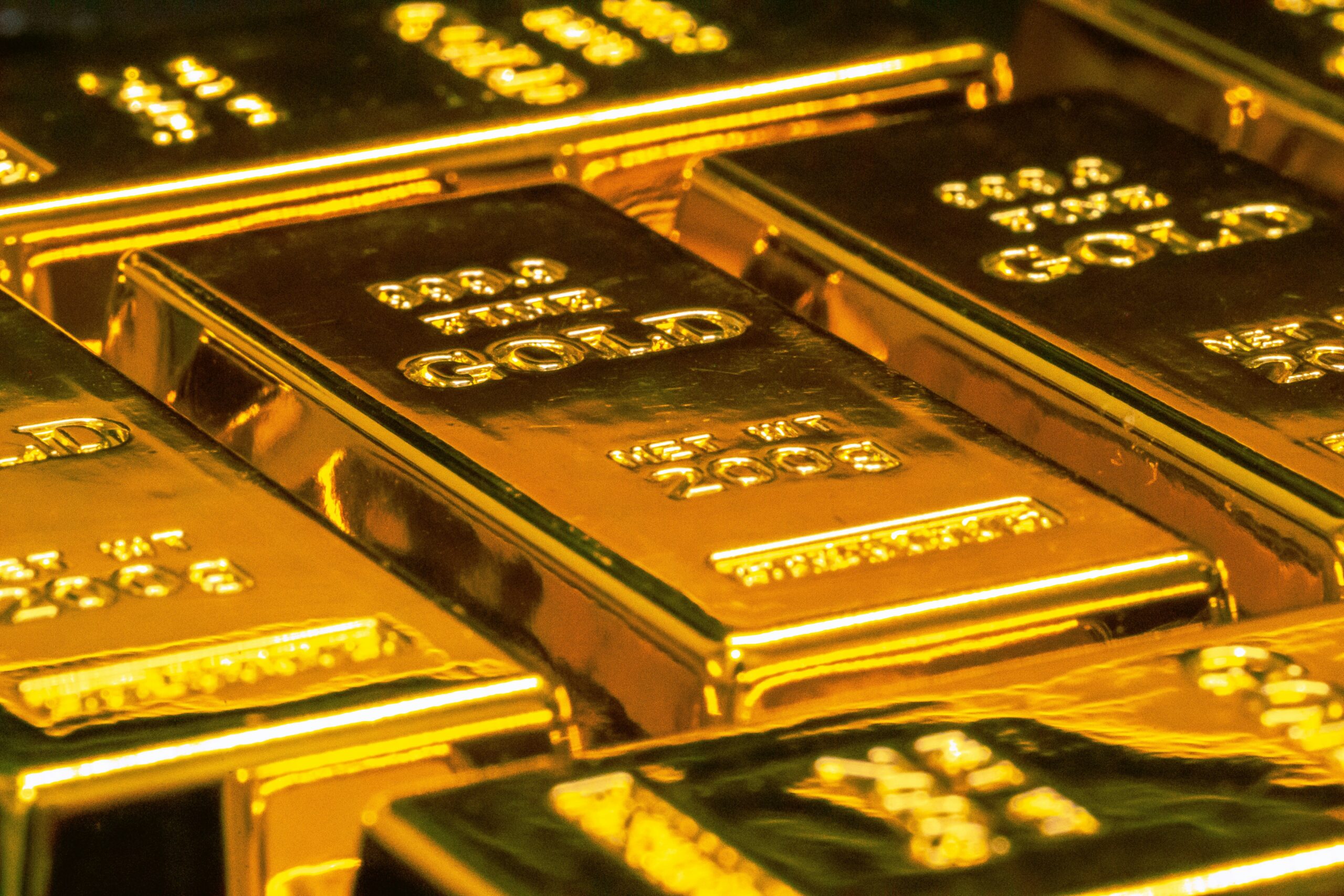
For the first time since the Bretton Woods era, gold has displaced US government bonds as the world’s most widely held reserve asset. The European Central Bank confirmed the shift in its annual report on the international role of the euro, published on Tuesday — and the numbers represent one of the most significant structural changes in global finance in a generation.
Gold accounted for 27% of global central bank reserves at the end of 2025, up from 20% just one year earlier. US Treasuries moved in the opposite direction, falling from 25% to 22% over the same period. Euro-denominated reserves held steady at 15%. The crossover is now official, confirmed by the ECB rather than speculated about by commentators.
How We Got Here — and Why It Happened Faster Than Anyone Expected
The proximate cause is well understood. When the US and its allies froze Russia’s dollar-denominated reserves following the 2022 invasion of Ukraine, they demonstrated to every central bank on earth that dollar assets could be weaponised. The lesson was absorbed quickly. Sustained buying by countries including China, Poland, Turkey and India has helped reshape reserve portfolios, while gold’s sharp price appreciation has boosted its share of total reserve assets.
Join The European Business Briefing
New subscribers this quarter are entered into a draw to win a Rolex Submariner. Join 40,000+ founders, investors and executives who read EBM every day.
SubscribeThe price appreciation element is significant and sometimes underappreciated in the narrative. Gold surged over 64% in 2025 alone. Since January 2024, the metal has risen by over 115%. Central banks have simultaneously increased their gold reserves by over 1,000 tonnes for three consecutive years. The combination of active buying and price appreciation is what made the crossover happen at this speed rather than over a decade.
With central banks now holding more than 36,000 tonnes of gold, reserve stockpiles are approaching levels last seen during the Bretton Woods era, when currencies were directly linked to the US dollar and the dollar itself was convertible into gold. The symmetry is striking: the system that Nixon dismantled in 1971 is being partially reconstructed — not through any formal agreement, but through the independent portfolio decisions of dozens of central banks acting on the same geopolitical logic.
The Dollar Is Not Finished — But Its Unchallenged Primacy Is
The most important nuance in the ECB’s findings is what they do not show. Despite gold’s rise, dollar-denominated assets still represented the largest share of global reserves at 42%. The dollar has not been displaced as the world’s reserve currency. What has been displaced is the specific instrument — US Treasuries — that was the default store of value for central banks managing exchange rate stability and liquidity.
That distinction matters commercially. A world in which central banks hold more gold than Treasuries is still a world in which the dollar dominates trade settlement, commodity pricing and cross-border financing. But it is a world in which the demand signal for US government debt from the central bank sector is structurally weaker than it was — and in which the political leverage that comes from dollar dominance is incrementally reduced.
ECB President Christine Lagarde addressed the trend directly in the report, noting that “geopolitical tensions continue to drive strong central bank demand for gold.” The language is diplomatic. The implication is pointed: the sanctions episode of 2022 is still reshaping reserve allocation decisions four years later, and there is no indication that trend is reversing.
As we reported in our analysis of how the EU vs China trade confrontation is accelerating the restructuring of global economic relationships, the fragmentation of the post-1990 global economic order is not a temporary disruption. It is a structural realignment that is showing up in trade flows, supply chains and now, definitively, in central bank reserve portfolios.
The Tether Anomaly and What It Signals
The ECB noted that stablecoin issuer Tether was the largest single gold buyer in 2025, acquiring more than 100 tonnes. That detail deserves more attention than it has received. A private stablecoin issuer — not a central bank, not a sovereign wealth fund — was the single largest buyer of gold by volume last year. It reflects both the scale that Tether has reached and the degree to which the gold market is now being accessed by non-traditional institutional buyers. aol
As we explored in our analysis of the Coinbase vs SEC stablecoin legislation battle and what it means for the future of digital asset regulation, the stablecoin sector is growing in ways that are materially affecting traditional financial markets — and the gold market is now one of them.
What It Means for European Investors and Policymakers
For European asset managers and institutional investors, the ECB’s findings carry a direct message. The global central bank community — which has the deepest research capacity and the longest investment horizons of any class of investor — has collectively decided that gold is a more reliable store of value than US Treasuries in the current geopolitical environment. That consensus view, expressed through actual portfolio allocation rather than commentary, is the most credible signal available.
According to Bloomberg, European central banks have been among the more active gold buyers in the recent cycle, with Poland in particular making significant additions to its reserve position. The ECB report confirms that this is not idiosyncratic — it reflects a broad global shift.
For the eurozone specifically, the finding is commercially neutral but diplomatically significant. The euro’s share of global reserves holding steady at 15% — unchanged while gold rose and Treasuries fell — suggests that the euro has not been a primary beneficiary of de-dollarisation. The gains have gone to gold rather than to the euro as an alternative reserve currency, which limits the ECB’s ability to translate this structural shift into enhanced monetary policy influence.
Related Analysis
EU vs China Trade War: What the New Tools Actually Mean — The geopolitical fragmentation that is driving central banks away from dollar assets and toward gold as a sanction-proof store of value.
Oil Prices 2026: Why $100 Crude Is the Base Case — The Middle East conflict and energy market disruption that is accelerating geopolitical risk premiums across gold, oil and global reserve asset allocation simultaneously.
Coinbase vs the SEC: The Stablecoin Bill That Could Rewrite US Crypto Law — How Tether’s emergence as the world’s largest single gold buyer in 2025 connects the stablecoin sector to traditional reserve asset markets in ways regulators are only beginning to understand.