The start of 2026 shows an economy driven more by long-term structural pressures than by a normal recovery cycle. Markets are operating in a fragmented geopolitical environment where security concerns increasingly shape trade, investment, and technology policy.
Geopolitical tensions, supply chains disruptions, and intense competition in areas such as artificial intelligence are influencing where capital flows and how risks are priced. Although US growth remains relatively strong, it exists alongside ongoing geopolitical uncertainty, stubborn services inflation, and uneven global policy direction. As a result, market optimism is uneven, with investors favoring perceived stability while remaining cautious about risks tied to geopolitics, trade policy, and economic miscalculations.
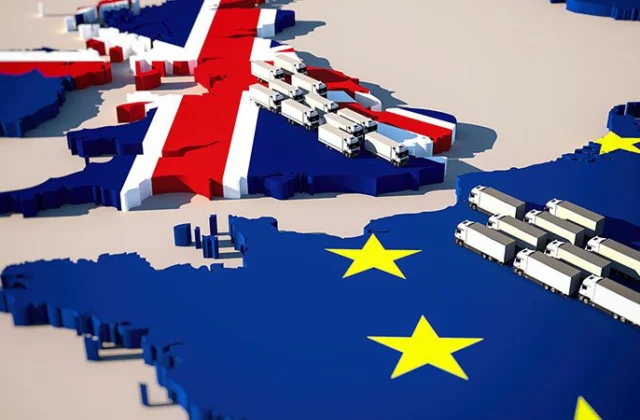
Global markets have opened the year moving at different speeds. US equities remain near record highs, suggesting confidence in earnings durability, yet leadership is narrowing as investors question elevated technology valuations. Japan stands out as a beneficiary of structural reform and currency dynamics, while Europe and the UK remain constrained by weaker growth momentum.
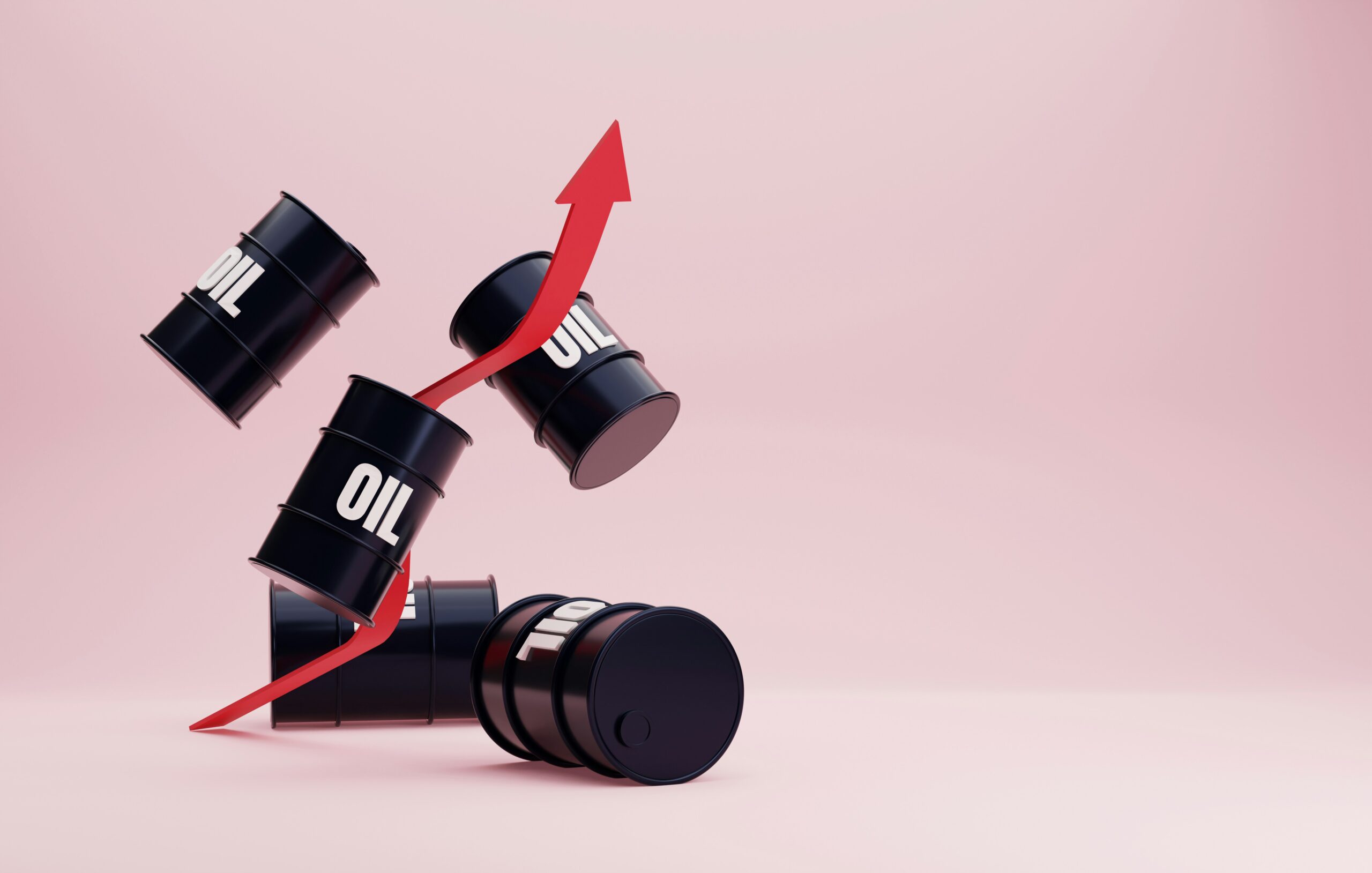
In commodities, the divergence is striking. Oil prices signal a world of ample supply, where geopolitical conflict adds only a modest premium to structurally soft demand. Gold, by contrast, reflects deeper financial anxiety; rising debt, geopolitical distrust, and central-bank diversification, highlighting a disconnect between the physical economy and the financial system.
Markets across the Middle East and North Africa have begun 2026 on a firmer footing, supported by reform momentum rather than commodity strength alone. The most consequential development is Saudi Arabia’s decision to fully open its stock market to foreign investors from February. This move signals a strategic push to deepen liquidity, attract long-term capital, and support the ambitious Vision 2030 pipeline.
Early gains in Saudi and UAE equities suggest cautious optimism, as investors anticipate improved market access and potential index re-weightings. For the region, 2026 could mark a shift from being a small, optional investment to becoming a regular and more meaningful part of global investor portfolios.Commentary provided by Mohanad Yakout, Senior Market Analyst at Scope Markets