






























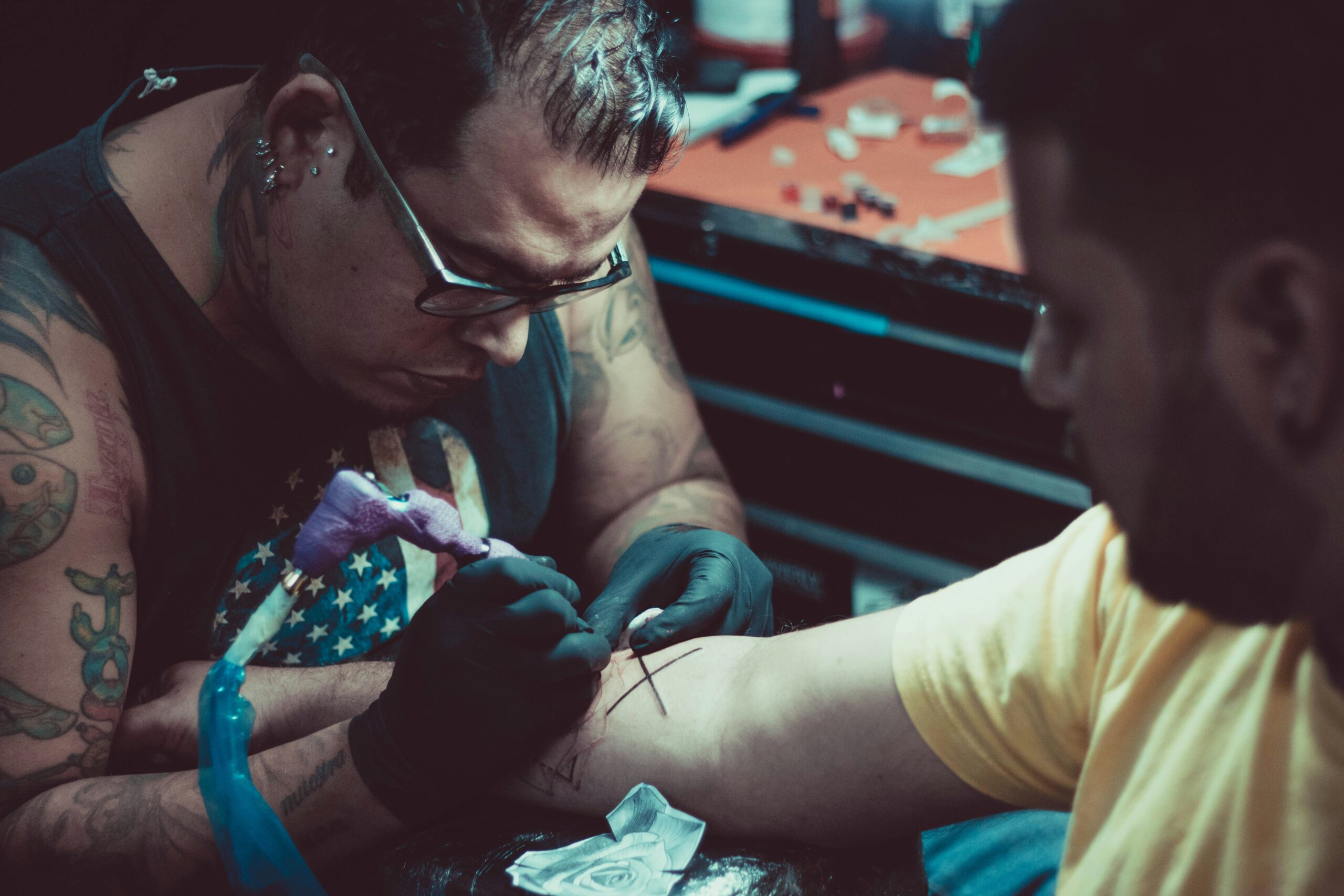
For decades, tattoo studios were often seen as informal creative spaces—driven by passion, personal reputation, and word of mouth. Today, that image has changed dramatically. Across Europe and beyond, tattoo studios have evolved into professional, scalable small businesses with structured operations, growing teams, and clear quality standards.
What was once a side hustle for many artists is now a serious entrepreneurial venture.
Tattooing as a Modern Small Business Model
Join The European Business Briefing
New subscribers this quarter are entered into a draw to win a Rolex Submariner. Join 40,000+ founders, investors and executives who read EBM every day.
SubscribeThe tattoo industry has quietly undergone a transformation similar to other craft-based sectors. Many studios now operate like modern SMEs: they manage bookings digitally, invest in branding, comply with strict regulations, and build long-term customer relationships.
This shift has been driven by several factors:
- Increased demand for professional body art across all age groups
- Higher regulatory and hygiene standards
- Social media visibility and brand differentiation
- A growing number of artists choosing self-employment over traditional careers
As a result, tattoo studios today resemble service-oriented micro-enterprises, combining creativity with disciplined business practices.
From Individual Artist to Scalable Operation
One of the biggest changes in the industry is the move from solo artists to multi-artist studios. Scaling requires more than talent—it demands systems.
Successful studios standardize:
- Appointment scheduling and client communication
- Hygiene protocols and documentation
- Equipment sourcing and inventory management
- Training and onboarding for junior artists
This structure allows owners to focus less on daily firefighting and more on strategic growth, whether that means opening additional locations, expanding services, or building a recognizable brand.
Why Professional Standards Matter for Growth
In creative businesses, quality is the core competitive advantage. In tattooing, quality depends not only on artistic skill but also on tools, materials, and consistency.
Studios that aim to scale cannot rely on improvised setups or inconsistent suppliers. Professional standards help ensure:
- Predictable results across multiple artists
- Reduced health and liability risks
- Stronger client trust and repeat business
- Compliance with local and international regulations
This is especially important as tattoo studios move from informal operations to businesses with employees, insurance requirements, and regulatory oversight.
Equipment as a Business Decision, Not a Creative Afterthought
In many craft-based businesses, equipment is often viewed as a technical detail. In reality, it is a strategic business choice.
For tattoo studios, core tools such as machines, needles, and consumables directly affect:
- Efficiency and speed of work
- Precision and consistency
- Client comfort and healing outcomes
- Long-term operating costs
As studios professionalize, sourcing equipment from specialized, reliable suppliers becomes a necessity rather than a preference. Many established studios rely on professional suppliers for essential components like tattoo needles, as seen in industry-focused platforms such as
https://www.murostar.com/Tattoo-Needles
The goal is not brand promotion, but operational stability and predictable quality—two pillars of any scalable business.
Branding, Trust, and the Customer Experience
Modern tattoo clients are more informed than ever. They research studios online, read reviews, and compare portfolios before booking. This means studios are no longer competing solely on artistic style, but also on professionalism and trust.
Key trust signals include:
- Transparent hygiene practices
- Clearly communicated processes
- Consistent results across artists
- A professional studio environment
Studios that invest in these areas tend to attract a broader client base, including first-time customers who may have previously hesitated due to safety concerns.
Lessons for Other Craft-Based Businesses
The evolution of tattoo studios offers valuable insights for other small businesses built around skill and craftsmanship:
- Creativity scales best with structure
- Professional tools reduce long-term risk
- Clear standards enable delegation and growth
- Trust is built through consistency, not improvisation
Whether in tattooing, design, repair services, or other hands-on professions, the same principle applies: businesses that treat quality as a system—not an individual effort—are better positioned to grow.
Conclusion: A Blueprint for Sustainable Growth
Tattoo studios are no longer niche creative spaces operating on the margins. They have become serious small businesses, blending art with entrepreneurship, and intuition with process.
The studios that thrive are those that recognize this shift early: they invest in professional standards, reliable equipment, and scalable operations. In doing so, they turn personal passion into sustainable business models—proof that even the most creative side hustles can grow into structured, competitive enterprises.