





























London, 4 November 2026 — EBM Newsdesk Analysis — By Anthony Gill
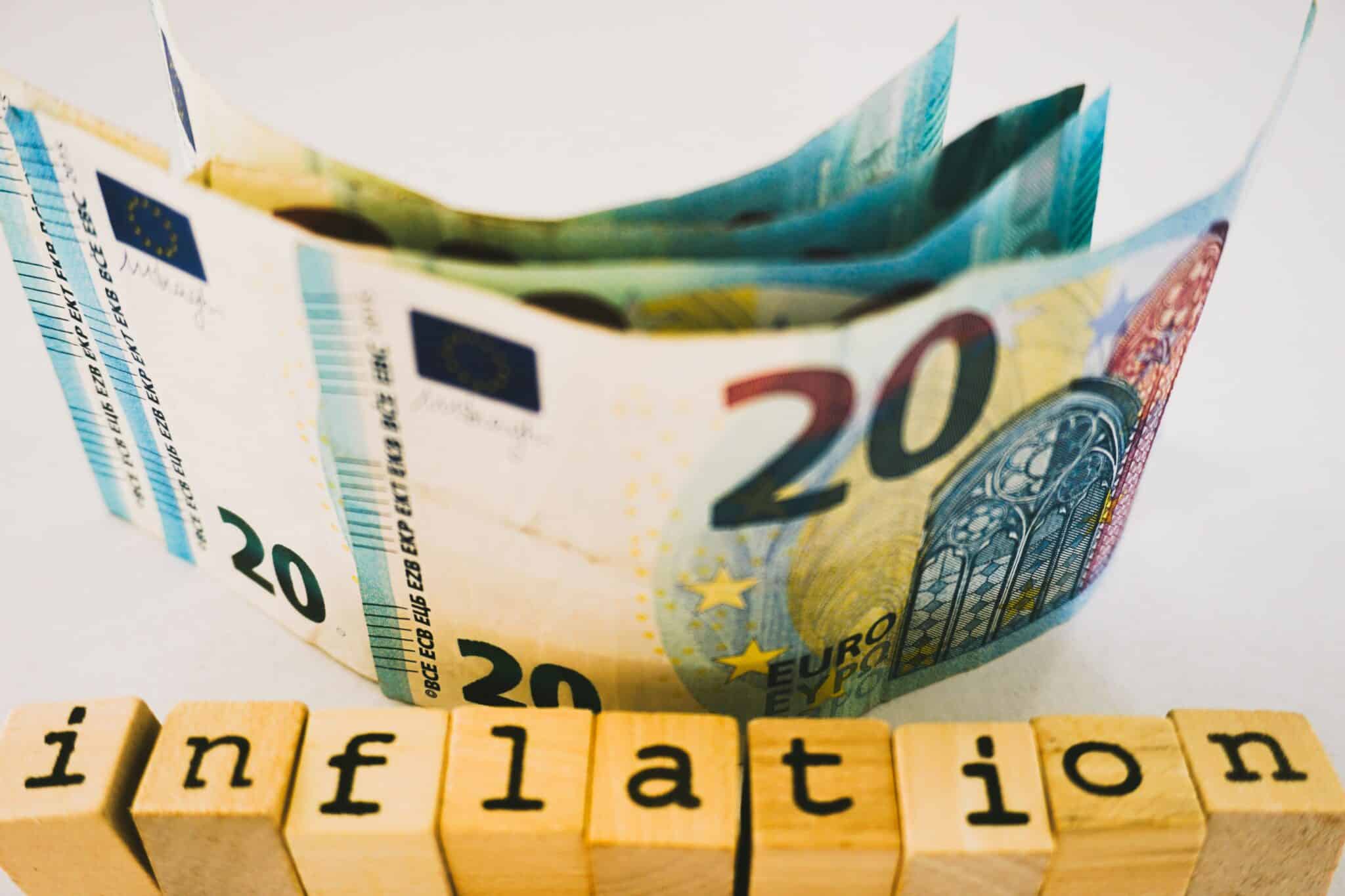
On 4 November, Eurostat said eurozone inflation rose to 4% in October from 3.8% in September, the highest reading since September 2023 and twice the European Central Bank’s 2% target. Energy did most of the damage, with prices up 20.8% in a year. Even that figure flatters the picture, because Germany’s rate fell only thanks to a fuel tax cut that runs until the end of the year. The next readings are likely to be worse.
For European businesses, the number that matters more is the one that did not move. Core inflation held at 2.5%, so the Iran shock has not yet spread into wages and the wider economy. The eurozone is still paying for a war, but the bill has not become permanent.
Energy Explains Almost Half
Energy makes up only about 9% of the eurozone shopping basket, yet it added roughly 1.9 percentage points to the 4% total. Services inflation edged up to 3.3% from 3.2%. The more worrying sign is unprocessed food, which accelerated to 4.6% from 4%. Fuel and gas costs are now reaching supermarket shelves.
Join The European Business Briefing
New subscribers this quarter are entered into a draw to win a Rolex Submariner. Join 40,000+ founders, investors and executives who read EBM every day.
SubscribeOne Rate, Very Different Economies
The headline hides a wide split. Italy jumped to 5.6% from 4.2%, largely because of regulated energy tariffs. Belgium reached 5.2%, while Lithuania and Bulgaria stood at 6.1% and 6%. France rose to 3.8%. Germany fell to 2.8% from 3.3%.
Inflation accelerated in 13 of the 21 member countries. That leaves the ECB setting a single interest rate for an Italy running at 5.6% and a Germany at 2.8%.
December Looks Close to Settled
The ECB held its deposit rate at 2.5% on 29 October, after raising rates in June and September. Prediction markets now put the chance of a quarter-point rise at its 16 and 17 December meeting at about 84%. Bundesbank president Joachim Nagel has said a hike looks hard to avoid unless the outlook improves significantly.
The argument is now about what follows. ING believes December could be the last move because core inflation remains muted. Pantheon Macroeconomics expects a final rise in March 2027, while markets are pricing two to three increases over the coming year. Christine Lagarde will not be there to finish the job, as the race to replace her is already under way.
Worse Before It Gets Better
Lagarde’s inflation warning still has further to run. Pantheon expects inflation of 4.1% in November and 4.3% in December, peaking at 4.5% in January. Low gas storage adds risk to heating bills, and January is when many companies reset prices. The ECB itself expects inflation to stay above 4% for much of the first half of 2027, before dropping quickly towards the low 2s as high year-earlier figures fall out of the data.
Growth offers little cushion. Oxford Economics expects France and Italy to grow only marginally, if at all, in the final quarter. Meanwhile, ECB and Fed policy may diverge further if US gridlock restrains spending.
The Call
The ECB will raise rates in December, and it is right to. A higher rate cannot lower the price of gas, but it can stop companies and workers from assuming that 4% inflation is normal.
Finance directors should not budget for rate cuts in 2027. They should watch next spring’s pay talks instead of the headline number. If wage demands start to chase energy bills, a one-off shock becomes a long and expensive fight. So far, it has not happened.
Related Analysis






