





























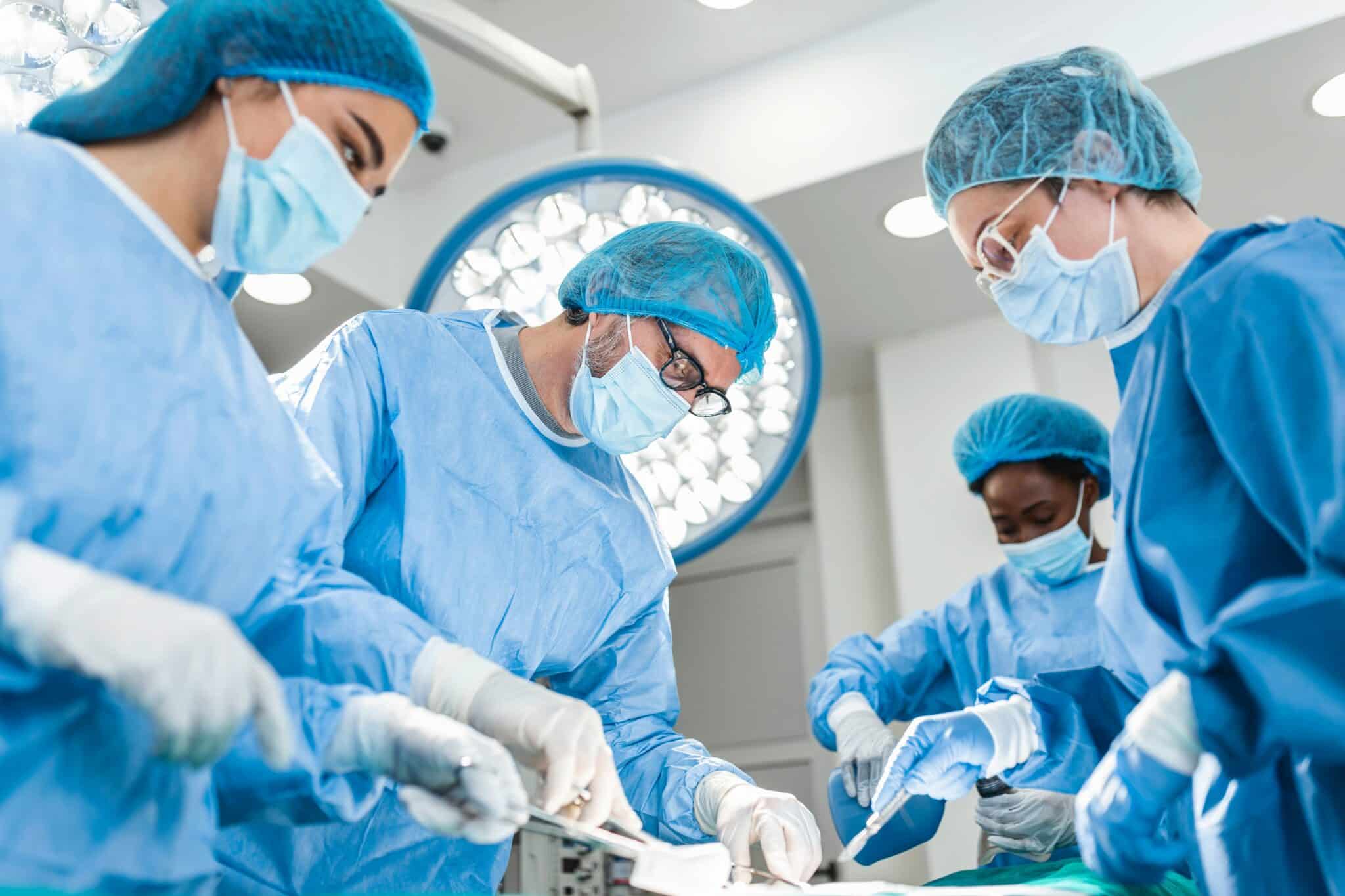
Patient safety in gastroenterology procedure suites is the product of rigorous systems, disciplined teamwork, and continuous attention to detail. From pre-procedure assessment to recovery and discharge, every step offers potential hazards that can be mitigated through standardized protocols, clear communication, and a culture that prioritizes safety over speed. This article explores the critical dimensions of safety in endoscopy environments, focusing on practical measures that reduce risk, protect patients, and support clinical staff.
Standardized Pre-procedure Processes
Join The European Business Briefing
New subscribers this quarter are entered into a draw to win a Rolex Submariner. Join 40,000+ founders, investors and executives who read EBM every day.
SubscribeA safe procedure begins long before the patient enters the suite. Thorough pre-procedure screening should confirm indications, allergies, anticoagulant status, and comorbidities. Standardized checklists for identification, informed consent, and fasting status reduce the likelihood of avoidable complications. Clear documentation and electronic medical record flags for high-risk patients ensure that the team is prepared with necessary monitoring, reversal agents, or consults. Pre-procedure huddles with the entire team create a shared understanding of the plan and expected challenges, preventing misunderstandings that can lead to harm.
Infection Control and Instrument Reprocessing
Infection prevention is non-negotiable in gastroenterology suites. Meticulous cleaning and high-level disinfection of endoscopes, accessories, and reusable instruments must follow validated protocols. Traceability of reprocessed equipment through logs and barcoding improves accountability. Environmental cleaning between cases, with attention to high-touch surfaces, supports reduction of cross-contamination. Adherence to manufacturer instructions for use and regular competency assessments of staff involved in reprocessing are essential to ensure the process remains effective and compliant with regulatory standards.
Team Roles and Competency
Clearly defined roles and ongoing competency validation underpin safe operations. A well-structured team where responsibilities are assigned—preparing the patient, operating equipment, monitoring sedation, and performing the procedure—allows smooth, controlled workflows. Including properly trained support personnel contributes to both efficiency and safety; for example, maintaining a skilled assistant at the bedside prevents delays and reduces cognitive burden on the endoscopist. A clearly defined personnel model that includes a certified endoscopy technician improves workflow, minimizes errors related to equipment handling, and strengthens adherence to infection control measures. Regular simulation training and credentialing ensure that the entire team remains adept at routine tasks and prepared for unexpected events.
Sedation, Monitoring, and Airway Safety
Sedation management is a major safety concern in the procedure suite. Policies should specify provider qualifications for administering sedation and outline monitoring standards, including continuous pulse oximetry, ECG, capnography when indicated, and frequent blood pressure assessment. Protocols for sedation escalation and reversal need to be immediately accessible, and staff must be trained in airway rescue techniques. Pre-procedure evaluation should identify patients at risk for respiratory compromise—such as those with obstructive sleep apnea, severe obesity, or significant cardiopulmonary disease—so plans for deeper monitoring or anesthesia support can be made in advance.
Communication and Checklists
Effective communication is the backbone of safety. Structured communication tools like briefings, time-outs, and debriefings promote situational awareness and clarify expectations. Time-outs verify patient identity, procedure type, site, and any implants or allergies. Debriefings after cases, especially complicated or unexpected events, foster learning and system improvement. Incident reporting systems that are non-punitive encourage staff to share near-misses and adverse events, helping organizations to identify patterns and implement corrective measures.
Physical Environment and Ergonomics
The layout and equipment of the procedure suite influence safety. Adequate lighting, clear labeling of suction and oxygen outlets, and appropriate storage for instruments reduce the risk of equipment errors. Ergonomic consideration for staff reduces fatigue and the potential for needle sticks or instrument mishandling. Emergency equipment, including resuscitation carts and suction, must be readily available and checked regularly. Clear pathways and uncluttered surfaces enable rapid response in case of a patient emergency.
Emergency Preparedness and Response
Despite precautions, emergencies can occur. Well-rehearsed response plans for complications like bleeding, perforation, or cardiopulmonary collapse save lives. Multidisciplinary drills that include nursing, anesthesia, endoscopy staff, and hospital rapid response teams build coordination and decrease response times. Post-event review should identify system failures as well as individual actions that contributed to the outcome, and follow-up must include both clinical and process improvements.
Documentation and Continuous Quality Improvement
Consistent, accurate documentation supports continuity of care and quality measurement. Procedure notes should capture findings, interventions, sedation records, and any complications. Tracking quality indicators such as cecal intubation rates, adenoma detection rates, complication rates, and infection surveillance allows units to benchmark performance and target improvements. Regular morbidity and mortality conferences and quality committees translate data into action, prioritizing interventions that make the most impact on patient safety.
Patient-Centered Practices and Discharge Planning
Patient safety extends into discharge and follow-up. Clear verbal and written instructions about post-procedure expectations, signs of complications, and when to seek care are critical. For patients who receive sedation, explicit instructions regarding transportation and activity restrictions must be reviewed. Systems to ensure timely communication of pathology results or abnormal findings reduce anxiety and prevent delays in necessary treatment.
Culture and Leadership
Finally, a culture of safety is a leadership responsibility. Leaders must model transparency, support staff training and resources, and respond promptly to identified risks. Encouraging staff to speak up without fear of reprisal and celebrating safety improvements fosters engagement and sustains change. Investment in staff wellbeing also reduces errors; rested, supported clinicians are better able to follow protocols and collaborate effectively.
By integrating rigorous protocols, fostering clear communication, maintaining high standards for equipment reprocessing and competency, and committing to continuous improvement, gastroenterology procedure suites can substantially reduce harm and improve outcomes. Patient safety is not a single intervention but an organizational attribute that grows stronger with attention, practice, and leadership.






