





























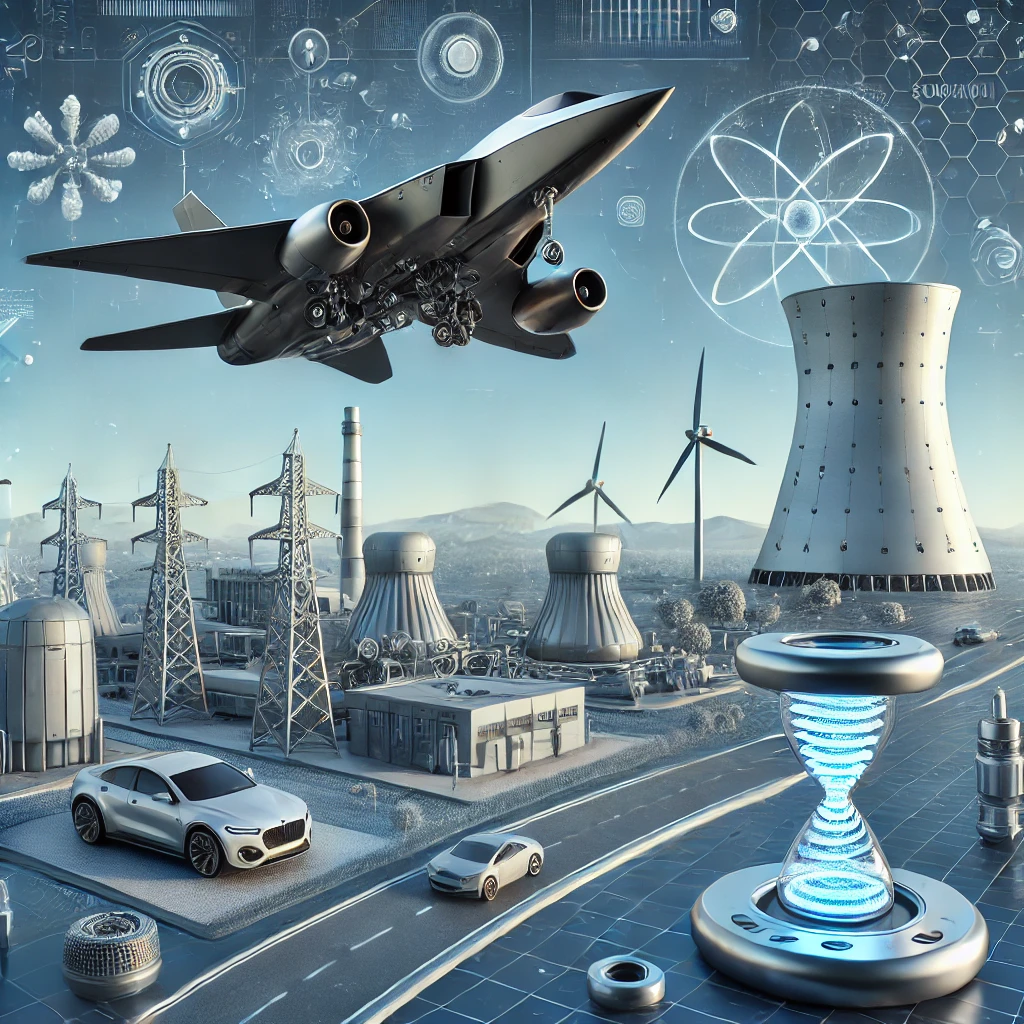
Modern engineering is being transformed by the adoption of advanced materials and innovative energy sources. Among the most prominent options are titanium, a material with exceptional properties, and nuclear energy, a power source with revolutionary potential. These two elements are shaping the way toward a more efficient, safe, and sustainable future across various industries, from aerospace to automotive.
Titanium: An Indispensable Material in Engineering
Titanium has established itself as one of the most valued materials in modern engineering due to its strength, durability, and ability to withstand extreme conditions. With an exceptional strength-to-weight ratio, this metal is essential in industries like aircraft manufacturing, medical implants, and industrial equipment.
Among its standout characteristics, resistance to corrosion makes it an ideal material for challenging environments like offshore platforms or chemical facilities. Additionally, its biocompatibility makes it crucial in creating medical implants, ensuring safe and long-lasting solutions.
Join The European Business Briefing
New subscribers this quarter are entered into a draw to win a Rolex Submariner. Join 40,000+ founders, investors and executives who read EBM every day.
SubscribeIf you want to explore in-depth how titanium has transformed various industries, this analysis of the properties of titanium details its unique characteristics and impact on contemporary engineering.
Nuclear Energy: Redefining Energy Solutions
Nuclear energy continues to position itself as a solid alternative to tackle today’s energy challenges. Its ability to generate large amounts of energy with low carbon emissions makes it a crucial option in the transition to more sustainable energy sources.
In the transportation sector, nuclear energy offers innovative prospects. One concept gaining attention is electric vehicles that are charged with electricity from nuclear plants, a solution combining energy efficiency and sustainability. In fact, the development of a nuclear-powered car opens up new possibilities, although it still faces significant technological barriers.
Additionally, nuclear energy is playing a vital role in electrifying remote areas and stabilizing electrical grids, thanks to small modular reactors designed to be safer and more accessible.
The Synergy Between Titanium and Nuclear Energy
Titanium and nuclear energy converge in applications aimed at a future full of innovation. In nuclear reactors, titanium is used to manufacture components that require resistance to corrosion and the ability to operate under extreme conditions. On the other hand, advanced titanium alloys are improving efficiency and safety in these critical environments.
In the automotive industry, the combination of lightweight and durable materials like titanium with advanced energy systems could revolutionize vehicle design, making them more sustainable and resilient.
Towards a Sustainable Future
As industries move forward, titanium and nuclear energy will continue to play a key role in transforming key sectors. Innovations in these fields not only enhance operational efficiency but also pave the way for cleaner, more sustainable development.
Titanium, with its unique properties, and nuclear energy, with its unmatched energy density, are making a significant difference in how future infrastructures are designed and operated. The integration of these technologies across various industrial applications will be crucial to facing the challenges of the 21st century, driving solutions that benefit both the environment and global communities.