London, 25 November 2026 — EBM Newsdesk Analysis — By Anthony Gill
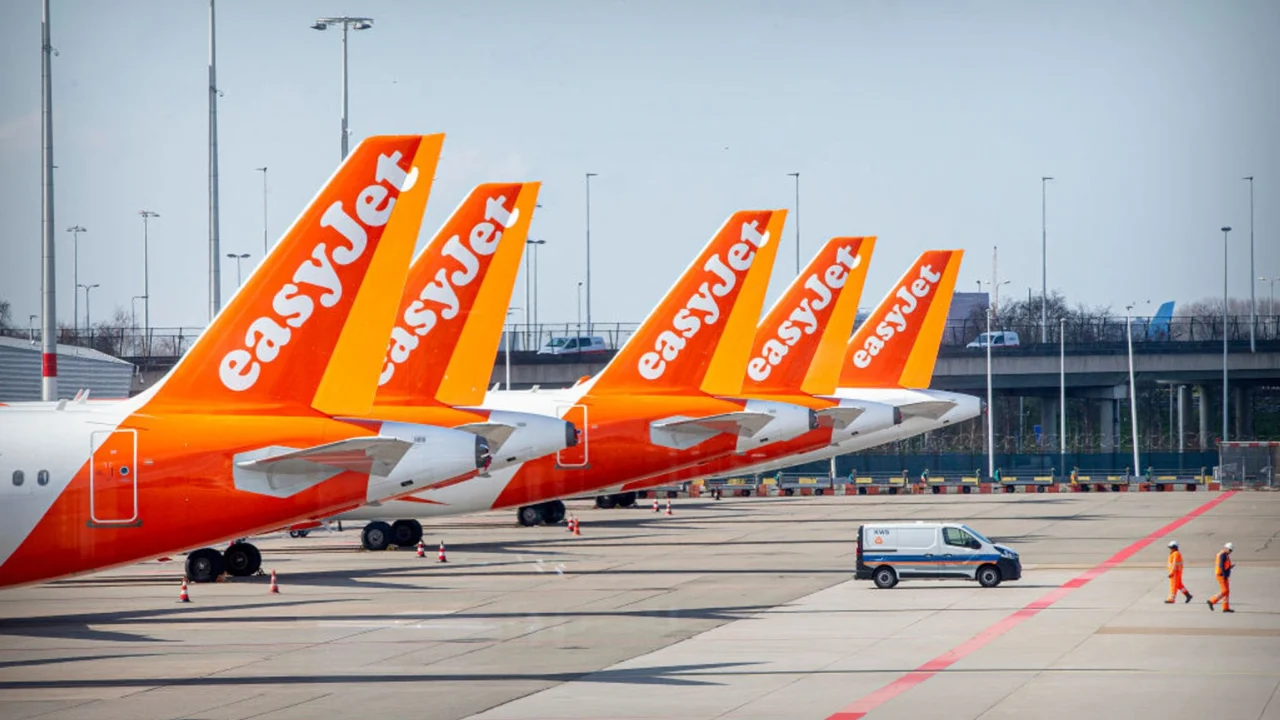
On Wednesday 25 November, easyJet reported that statutory pre-tax profit fell 96% to £24m in the year to September, down from £658m. It is the last set of annual results before Apollo completes its £5.7bn takeover. The cause was fuel. The Iran war added £244m to easyJet’s fuel bill, which had already been pushing up ticket prices since spring. The most revealing figure, though, is not the headline fall.
easyJet’s airline business made a headline loss of £195m, compared with a £415m profit a year earlier. Its package holidays division made £266m. Without the holidays arm, Britain’s best-known low-cost airline would have lost money in a year when it flew a record 96.4 million passengers.
The Numbers
Revenue rose 6% to £10.7bn as passenger numbers grew by 3 million. Demand held up. Costs did not. Fuel rose 11% to about £2.5bn, and headline pre-tax profit fell 89% to £71m, short of the £87.7m analysts had expected.
Join The European Business Briefing
New subscribers this quarter are entered into a draw to win a Rolex Submariner. Join 40,000+ founders, investors and executives who read EBM every day.
SubscribeChief executive Kenton Jarvis said the Middle East conflict and its effect on demand and fuel prices had materially hurt the business. Last-minute bookings were strong, but they could not make up for weaker bookings earlier in the year, when holidaymakers held back while the war dominated the news.
easyJet gave no guidance for next year. With a buyer lined up, it no longer needs to.
Fuel and Hedging
Every European airline has been hit by fuel costs, but not equally. Before the war, easyJet had hedged around 70% of its 2026 fuel needs, against about 80% at Ryanair. That gap matters a lot when jet fuel prices jump by half. Ryanair’s Michael O’Leary warned last month that fuel could stay about 50% above pre-war levels for another 12 to 18 months.
That leaves airlines with two choices: absorb the cost or pass it on. Many have chosen the second, which is partly why carriers are adding premium seats. Wealthier passengers notice fare rises least.
What Apollo Is Really Buying
Apollo agreed in August to pay 715p a share, beating Castlelake’s bid. More than 80% of shareholders have since voted in favour, and completion is expected in early 2027, according to easyJet’s takeover page.
These results explain the price. Private equity likes steady cash flows, and easyJet Holidays has become just that, with profit rising even in a terrible year. The airline is the volatile part. Apollo is effectively buying a growing tour operator attached to a fleet of Airbus jets, at a moment when fuel has pushed the airline’s earnings close to the bottom.
The timing is good for the buyer. If fuel prices ease in 2027, profits recover, and the gains go to Apollo rather than the public shareholders who sold. It is another UK company leaving the stock market just as its valuation hits a low, a pattern familiar to anyone watching public versus private returns this year.
What I Think
easyJet is not in crisis. It filled more seats than ever, and its holidays business is thriving. But these results show how fragile a low-cost airline’s profits are, even at scale. A war thousands of miles away wiped out almost all of a year’s profit.
The lesson for European aviation is that hedging and diversification matter more than size. Ryanair hedged harder. easyJet built a holidays business. Both survived the shock, but only one of them is still independent.
Apollo will not be the last private equity firm to buy a strong European brand at a cheap price. As the CEOs who rescued companies showed, the best turnarounds are bought at the bottom.
Related Analysis