





























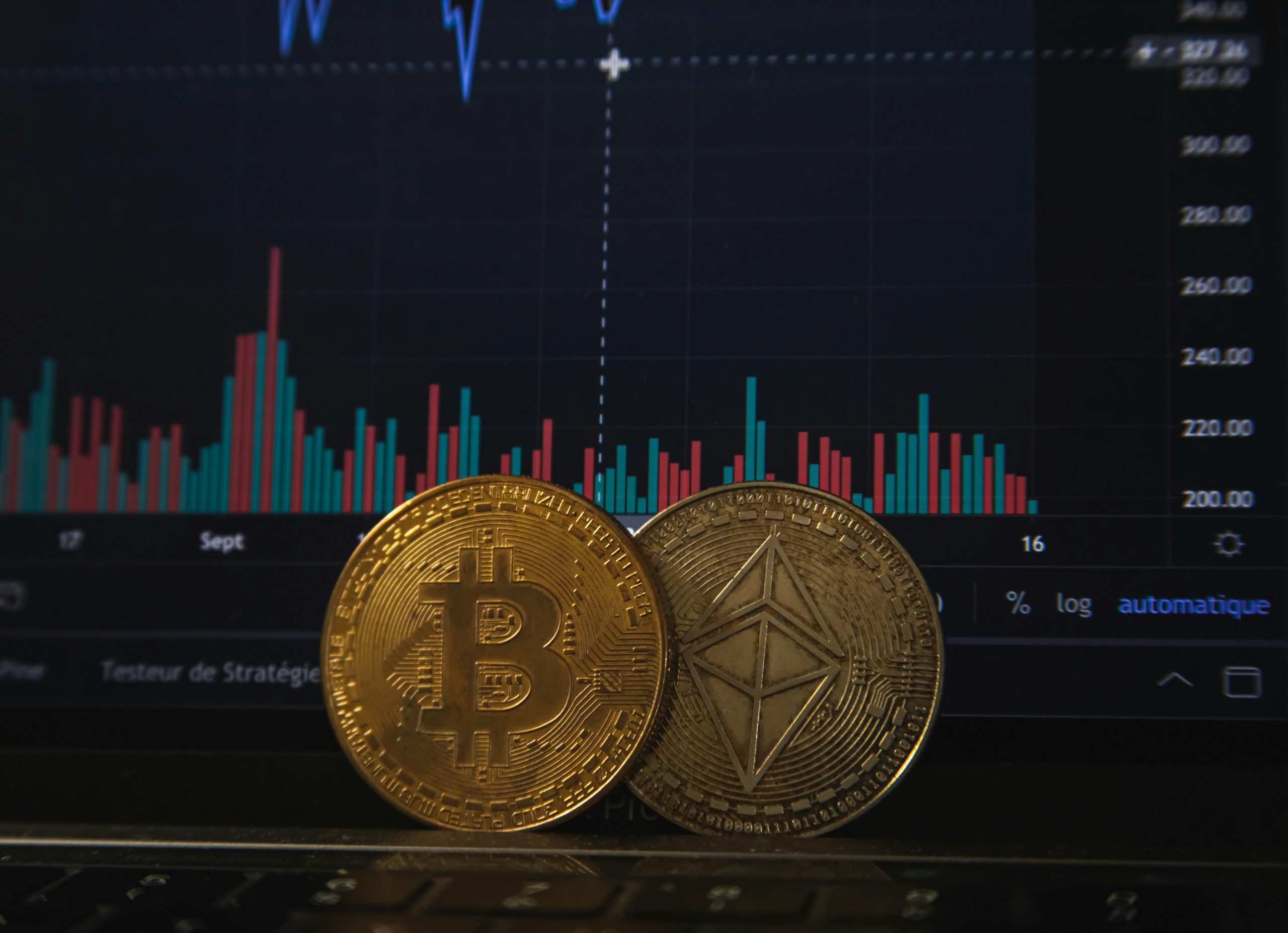
The speed at which crypto assets are changing entry points into the investment market is remarkable, European finance has never remained still during the fast-paced changes. High minimums, registration requirements, and a need for brokers made financial markets inaccessible in the past. The updated regulatory threshold has since reduced its limits. Crypto is altering not only the flow of money but also who can move it and when. This change is making investment more immediate, more transparent, and more impacted by decentralised systems that circumvent long-standing conventions throughout the EU.
Reshaping the First Layer of Financial Entry
Across the European Union, investment norms are shifting with the rise of decentralised technology. Cryptocurrencies have already disrupted the payment landscape, but their broader impact on the investor pipeline is becoming clearer. The increasing use of trading tools that were previously only available to institutional players is an obvious signal of this change.
One notable example is the increased interest in leverage trading. This activity draws attention to high-risk, high-return tactics that are now directly linked to the speed and accessibility of cryptocurrencies. These tools are frequently found on gambling-themed platforms that are alluring for their quick deposits, instant cashouts, and the possibility of big rewards. This combination of game-like elements and speculative investment represents subtle yet significant changes occurring on the periphery of regulatory supervision, pushing established financial institutions towards new standards.
Join The European Business Briefing
New subscribers this quarter are entered into a draw to win a Rolex Submariner. Join 40,000+ founders, investors and executives who read EBM every day.
SubscribeTokenisation Redefining Asset Access
Tokenisation has emerged as a cornerstone of investment evolution by converting assets into tradable blockchain units. Investors have fractional ownership of assets that were previously out of reach due to minimum capital thresholds or bureaucratic layers. In the EU, this innovation holds particular promise for democratising access, reducing friction, and increasing market fluidity.
The EU Commission’s Markets in Crypto-Assets (MiCA) regulation is the first attempt to provide a formal response to these structural shifts. It builds an initial framework that aims to manage risks without crushing innovation. At the same time, the presence of decentralised finance (DeFi) platforms is complicating enforcement. These platforms operate without traditional intermediaries, enabling peer-to-peer transactions that reduce reliance on central banks or licensed brokers.
Investors are increasingly weighing the benefits of participation in these decentralised systems, not just for gains but for autonomy. Removing intermediaries translates to fewer fees and faster settlement—both of which have historically been weak spots in EU investment protocols.
Cross-Border Challenges in Regulation
The European financial system values consistency, even as innovation accelerates. MiCA seeks to unify crypto regulations across member states and simplify cross-border investment. This effort requires a careful balance between investor protection and market flexibility. A major hurdle lies in aligning differing national attitudes, with countries like Luxembourg supporting innovation, while France and Germany adopt a more cautious approach.
Central banks are also adapting to the evolving landscape by developing central bank digital currencies (CBDCs) which keep them relevant. The digital euro project reflects these efforts, though its future depends on how smoothly it integrates with existing decentralised assets and private stablecoins. Policymakers must ensure market stability without hindering progress, as investors increasingly look for speed, transparency, and autonomy in financial systems.
Building New Infrastructure for Capital Flow
Institutional players are cautiously stepping into this space. Client demand is increasing, particularly among younger investors seeking alternative returns outside of traditional stocks and bonds. To support this shift, infrastructure needs to evolve. Custodial services for digital assets are becoming more sophisticated, ensuring that clients have secure access to their tokens.
The EU’s stance on innovation supports the Digital Finance Strategy and the European Blockchain Services Infrastructure (EBSI), which has encouraged fintech companies to build scalable models. These developments are creating new onramps for both retail and institutional investors.
Changing Expectations Among Investors
Investor expectations are not only changing in terms of returns but also regarding transparency, speed, and control. These expectations are beginning to bleed into traditional investing. This shift in priorities is leading banks and brokerages to partner with blockchain companies or integrate APIs that offer crypto exposure.
Even ESG-minded investors are beginning to reconsider their stance. Environmental issues have led to complaints about cryptocurrency, but other networks, like Ethereum, are moving towards more energy-efficient alternatives. Investing in decentralised finance while upholding environmental ideals is a concept that is gaining traction.
Conclusion
Crypto has a much greater impact on the EU investment ecosystem than just payment infrastructure. It impacts how investors interact with money, how institutions design their services, and how regulators view access and risk. New trading strategies, such as leverage trading, combine risk and opportunity, illustrating how speculative behaviour and traditional investing have merged. It is less dependent on past structures, and more open and quicker. Building systems that can grow with innovation while maintaining the safeguards that maintain confidence is now a challenge.