





























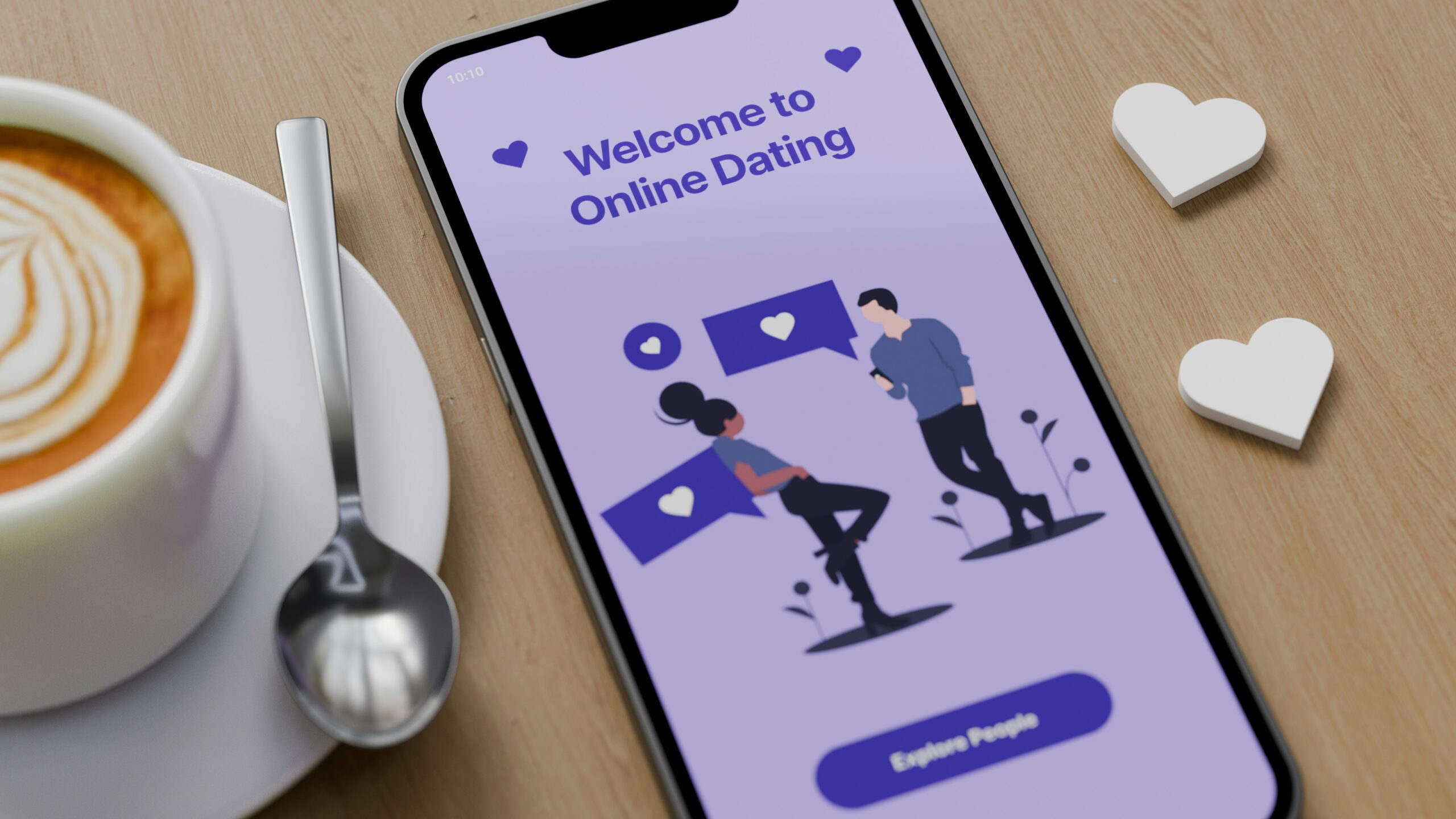
Most people who have used a dating app in the last few years can describe the same feeling. You download it, swipe for a week or two with some enthusiasm, and then the whole thing starts to feel like a chore. The profiles blur together. The conversations go nowhere. You delete the app, reinstall it a month later, and repeat the cycle. That problem has not gone away in 2026, but the technology underneath these platforms has changed enough that the cycle might finally be breaking. An SSRS Opinion Panel Omnibus poll of 2,012 U.S. adults found that 37% have used an online dating site or app at some point, with usage concentrated among younger adults, where 51% of those aged 18 to 29 and 53% of those aged 30 to 49 have tried it. The apps still have a large and returning user base. What they are doing differently now is worth paying attention to.
AI Went From Buzzword to Actual Product Feature
For a long time, dating apps mentioned AI in press releases without much to show for it. That has changed. A study conducted by Match and the Kinsey Institute at Indiana University surveyed 5,001 singles and found that 26% now use AI tools in some way to improve their dating lives, which represents a 333% year-over-year increase according to the researchers. That number is hard to ignore.
Tinder announced Chemistry at its Sparks 2026 keynote, an AI-curated matching tool designed to reduce the randomness of the swipe queue. The same event introduced Camera Roll Scan, which helps users pick better photos from their phone library based on what tends to perform well on profiles. These are practical, small-scale uses of the technology that address real friction points. Hinge took a different route with its AI recommendation engine, which the company says drove a 15% increase in matches and contact exchanges. Hinge also introduced AI Convo Starters, built around internal data showing that 72% of daters are more likely to consider a match if it includes a message. That feature generates opening lines based on profile content, which removes the blank-text-box problem that kills a lot of potential conversations before they begin.
Join The European Business Briefing
New subscribers this quarter are entered into a draw to win a Rolex Submariner. Join 40,000+ founders, investors and executives who read EBM every day.
SubscribeRelationship Preferences and the Apps That Serve Them
Dating platforms in 2026 cater to a wide range of relationship preferences, and this fragmentation has pushed smaller, purpose-built services into the mainstream alongside major apps. Users looking for long-term commitment, casual connection, or age-gap partnerships can find platforms built around those specific goals, including sugar daddy dating apps and other niche services designed for people who know what they want before they start swiping.
This specificity matters because swipe fatigue is a real and measurable problem. A Match and Kinsey Institute study of 5,001 singles found that 26% now use AI tools to improve their dating lives, a 333% year-over-year increase, which suggests users are tired of sorting through poorly matched profiles on their own. Platforms that narrow the pool by preference from the start reduce that burden considerably.
Safety Tools Are Getting Smarter, Not Louder
One area where large language model technology has been put to work quietly is safety. Tinder is using it to upgrade how the app detects disrespectful messages. The old system relied on keyword detection, which was easy to circumvent and flagged a lot of false positives. The new system reads tone and context, which means it can pick up on harassment that does not contain any obvious slurs or threats. This matters for retention. People who feel unsafe on a platform leave and do not come back, and the cost of replacing a lost user is higher than the cost of keeping one.
The Money Question
The business side of dating apps in 2026 tells an uneven story. Match Group’s Q4 paying users fell 5% to 13.8 million, and Tinder’s paying user base dropped 8% to 8.8 million. Meanwhile, Hinge’s paying users rose 17% to 1.9 million. Bumble saw its paying users drop 16% to 3.6 million. These numbers point to a market where users are consolidating around platforms that feel like they are delivering results, and Hinge’s growth during a period of general contraction suggests its AI-driven features are landing with paying customers.
The global online dating services market is expected to grow from $6.97 billion in 2025 to $7.79 billion in 2026, with a forecast of $13.57 billion by 2031 at an 11.76% compound annual growth rate, as reported by IBTimes UK. Money is still flowing into the sector, but it is moving toward companies that invest in product quality over volume.
Bumble Is Rebuilding From the Ground Up
Bumble announced it is building an AI-first, cloud-native platform scheduled to launch by mid-2026. This is a larger commitment than adding a feature or two. It means rebuilding the technical foundation of the app so that AI sits at the center of how matches are made, how conversations are facilitated, and how the user interface adapts to behavior. Match Group has allocated $60 million for AI and product rollouts at Tinder, which gives some sense of the scale of investment required. These are expensive bets, and they will take time to pay off, but they represent the first real technical overhaul of platforms that were largely built on the same swipe model for over a decade.
What Matters Going Forward
The apps that survive in this market will be the ones that reduce the time between downloading and meeting someone worth talking to. AI helps with that if it is applied to specific, measurable problems like bad photo selection, empty opening messages, and poorly matched profiles. The technology itself is not the product. The product is still a good date, and everything else is infrastructure.