






























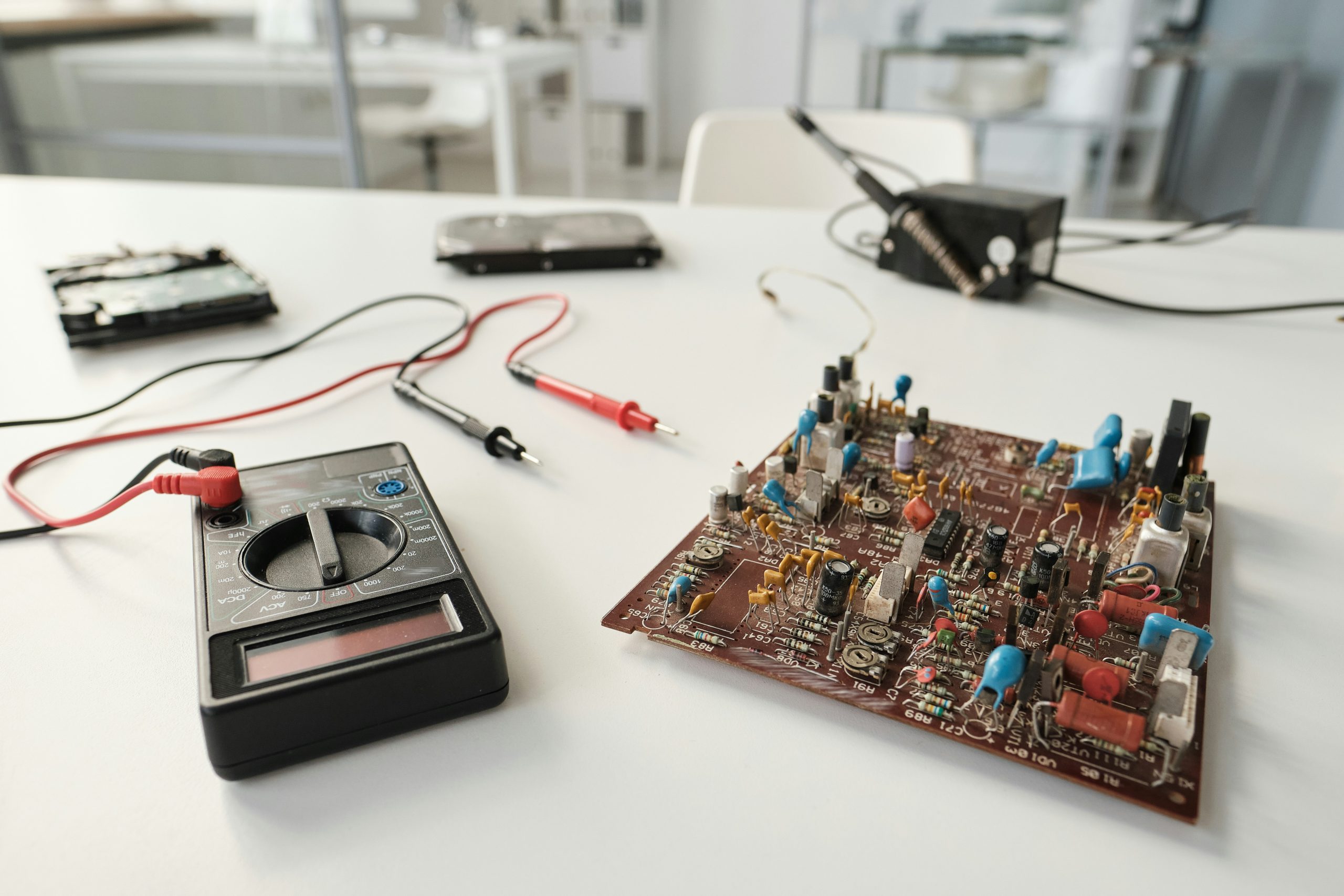
Whether you are a hobbyist or electronics enthusiast, you should never underestimate the importance of testing and optimising your projects. Testing and optimising is how you identify issues and improve overall performance, which is why it is helpful to understand the fundamentals so that you can apply these to your own projects. This post will explore testing and optimising electronics projects with practical advice on using tools and techniques that you can use yourself.
Why Testing Matters in Electronics Projects
Join The European Business Briefing
New subscribers this quarter are entered into a draw to win a Rolex Submariner. Join 40,000+ founders, investors and executives who read EBM every day.
SubscribeFirst, it is important to understand why testing is so important in electronics projects. Testing is essential to ensure that your circuits function as intended. Testing is key for identifying potential issues early, verifying design assumptions, and ensuring safety. Keep in mind that there are a few types of tests that should be conducted, including functional, stress, and safety tests, all of which play a key role in the development process.
Getting Started with Simulation Software
Simulation software allows you to model and test your designs before they are even built. Circuit simulation software enables virtual testing, which means that you do not even have to build a physical prototype, saving a huge amount of time and energy. There are various tools that allow you to visualise how voltage and current will flow through a design, allowing you to identify design flaws and change parameters before the process of assembling physical components.
Essential Tools for Hands-On Testing
Once your design is simulated, it is time to test it in the real world. There are various tools you can use for hands-on testing, such as multimeters, oscilloscopes, and logic analysers. There are also various testing techniques to be aware of, including continuity testing, voltage measurement, and signal analysis.
Optimising Your Circuit Design
Optimisation involves refining your circuit to improve performance, efficiency, and reliability. Optimisation can involve reducing power consumption, enhancing signal integrity, and selecting appropriate components. Additionally, you should consider the layout and impact of component placement on overall circuit performance.
Learning from the Community & Staying Updated
The electronics community is a valuable resource for learning and staying informed about the latest developments. Use online forums, tutorials, and workshops where beginners can seek advice, share experiences, and learn from others. Engaging with the electronics community can provide insight into common challenges and innovative solutions while helping you feel a part of something.
The importance of testing and optimisation cannot be overstated when it comes to electronics projects. Whether this is a simple LED circuit or a complex microcontroller-based system, this post should give you a greater understanding of testing and optimisation processes so that you can integrate them into your development process. This will help you identify issues early on and avoid costly mistakes, improve your designs, and ensure that your project performs to a high standard.






