





























London, 26 October 2026 — EBM Newsdesk Analysis — By Anthony Gill
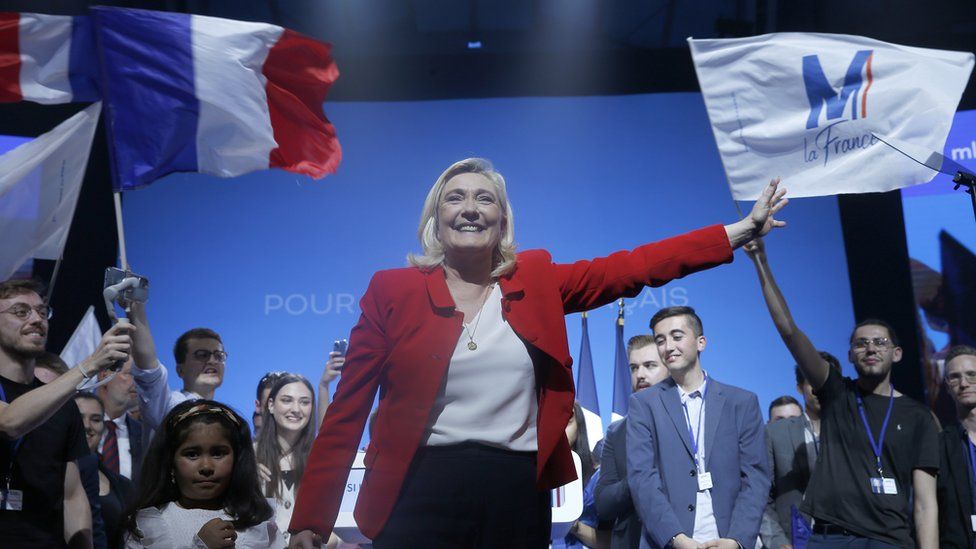
Marine Le Pen launched her presidential campaign in Orléans on Sunday, promising a national “renewal”. With six months until the first round, she is the clear frontrunner. A poll published on Sunday put her on 32% to 33.5%, almost double the 17% of hard-left leader Jean-Luc Mélenchon, and surveys suggest she would beat him comfortably in a run-off.
Her legal obstacle has largely gone. In July, an appeals court upheld her conviction for misusing European Parliament funds but cut her ban from office so that it no longer blocks a 2027 run. For investors and businesses, the question has shifted from whether Le Pen can stand to what she would actually do.
A Campaign Built on Disorder
Join The European Business Briefing
New subscribers this quarter are entered into a draw to win a Rolex Submariner. Join 40,000+ founders, investors and executives who read EBM every day.
SubscribeThe launch came after weeks of turmoil. Protests over living costs, fuel prices and education funding drew between 410,000 and 800,000 people across France, and some turned into looting, according to Euronews. As EBM reported in its Weekend Read on France’s student revolt, the unrest has rattled markets and weakened Emmanuel Macron’s government.
Le Pen has seized on it, promising “zero tolerance” policing, tighter borders and the automatic expulsion of foreign criminals. Her chosen prime minister, Jordan Bardella, would lead a “national unity” government.
The Economic Plan
The economic pitch is more detailed than in previous campaigns. Earlier this month the National Rally set out a budget plan that promised “redress, not austerity”, according to Brussels Signal. Its main elements are:
- Pensions: reverse Macron’s increase in the retirement age to 64 and return it to 62, or 60 for those who started work young.
- Tax cuts: at least €30bn in net reductions, including €20bn from scrapping “production taxes” on companies, lower VAT on energy, a 0% VAT rate on 100 essential products and an income tax exemption for most under-30s.
- Savings: €140bn a year by 2032, mostly from “streamlining” the state and cutting the number of public agencies.
- Europe: cut France’s net contribution to the EU budget from almost €29bn to €5bn.
- Deficit: a primary budget balance within 18 months, a deficit below 3% of GDP by 2030, and a constitutional rule requiring the deficit to fall every year.
It is a pitch aimed squarely at voters angry about living costs: cheaper energy, earlier retirement and lower taxes for the young, all with a promise to balance the books.
Do the Numbers Add Up?
That’s the problem. France is already running one of the largest deficits in the eurozone, about 5.4% of GDP this year, with debt of around 119% of GDP. Cutting energy VAT from 20% to 5.5% alone was estimated to cost about €16.7bn a year, and reversing the pension reform about €10bn, according to think tank iFRAP’s analysis of an earlier version of the programme.
The savings are far less precise. The party has not published line-by-line cuts, and slashing the EU contribution would mean defying Brussels’ budget rules. Former finance minister Bruno Le Maire dismissed the deficit rule as “the fig leaf of every politician who does not want to tell the French where the savings will be made.”
What Markets Fear
Bond investors have reacted to French political risk before. When Macron called snap elections in 2024, the gap between French and German borrowing costs jumped sharply on fears of a National Rally government. With the global bond sell-off already pushing yields higher, and records not seen since 2002 being broken, France has little room for error.
The IMF has been urging rich nations to cut borrowing, not add to it. A programme that cuts taxes and lowers the retirement age while promising savings it hasn’t spelt out is exactly what bond markets punish. Le Pen herself frames it the other way: “If the French do not choose a political break, France is heading for default.”
The European Dimension
Le Pen no longer calls for leaving the EU, but she wants to reduce Brussels’ power, restore national border controls and avoid “reckless” military adventures. She has previously said she would end French aid to Ukraine. Combined with the AfD’s surge in Germany, a Le Pen presidency would put nationalist parties at the heart of the EU’s two largest economies for the first time.
Where This Goes
Le Pen is now the favourite to become France’s next president, and markets need to start pricing that seriously. Her programme is designed to win votes, not to fix France’s finances. Earlier retirement and big tax cuts are easy to promise, while €140bn in unspecified savings is not. The most likely outcome is a clash with bond markets early in her term, similar to the one that brought down Liz Truss in Britain, which would force her to choose between her promises and France’s credit rating. Expect French borrowing costs to rise as polling day approaches, and expect investors to keep asking one question she has yet to answer: where will the money come from?
Related Analysis