






























Wolfsburg, 21 September 2026 — EBM Newsdesk Analysis — By Nick Staunton, Editor-in-Chief
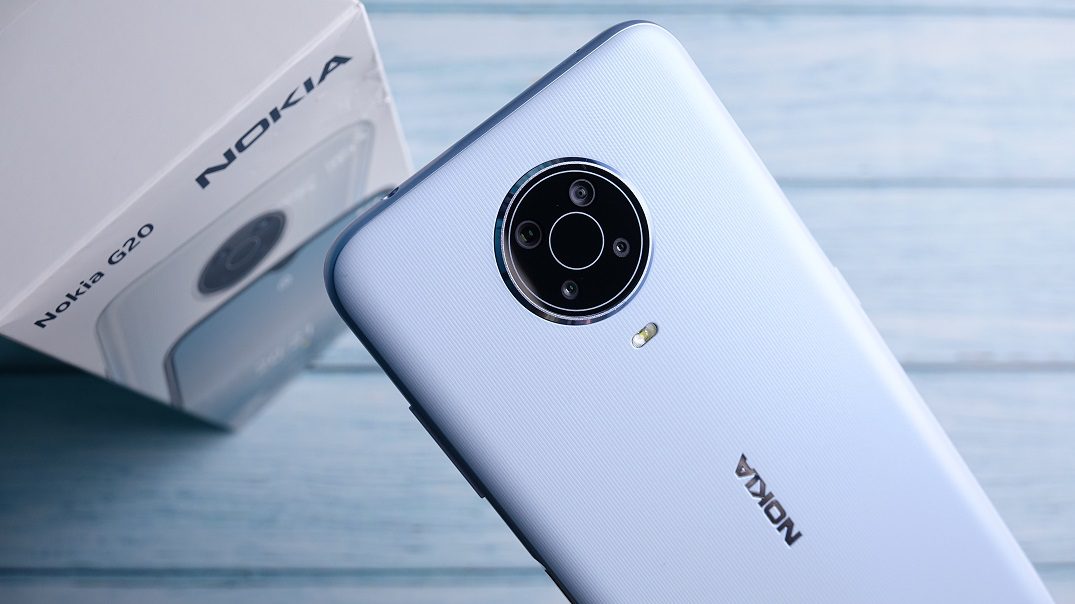
Volkswagen has been removed from the Euro Stoxx 50, Europe’s benchmark index of the eurozone’s 50 largest companies, for the first time in 15 years. The change, confirmed by index provider Stoxx and effective before market open today, replaces VW with Nokia — returning after a one-year absence on the strength of AI infrastructure revenue up 105% in the second quarter — alongside French utility Engie, while Dutch information-services firm Wolters Kluwer also exits.
Why It Happened
The index review is mechanical rather than political: Stoxx’s annual methodology weighs free-float market value, and VW’s preferred shares no longer clear the bar. The share price explains why. VW stock has fallen more than 75% from its 2021 peak and now sits near a 16-year low, weighed down by scepticism over the company’s restructuring plan to cut 100,000 jobs, intensifying competition from Chinese manufacturers, and broader doubts about European carmakers’ ability to compete on price in their own home market. HSBC’s automotive analyst has pointed to rising industry-wide risk as a direct driver of Volkswagen’s depressed valuation, reflecting genuine concern that the cost of the turnaround itself may outweigh what it delivers.
Join The European Business Briefing
New subscribers this quarter are entered into a draw to win a Rolex Submariner. Join 40,000+ founders, investors and executives who read EBM every day.
SubscribeWhy the Exclusion Makes the Problem Worse
Index membership carries real financial weight beyond prestige. Roughly 30 ETFs tracking the Euro Stoxx 50 hold a combined €59bn in assets, and more than 110,000 structured products worth over €68bn are also linked to the index. Funds that mechanically track the benchmark must now sell their VW holdings and buy Nokia and Engie instead, regardless of what any individual manager thinks about VW’s prospects — a forced seller effect that traders expect will add further downward pressure on a stock already in a multi-year decline. Simon Jäger, a portfolio manager at German asset manager Flossbach von Storch, noted the exclusion leaves just 16 German companies in the index, a reminder of how broadly the country’s largest listed businesses have underperformed: the German sub-index has returned 10.9% annualised over the past five years, against 12.5% for the Euro Stoxx 50 as a whole.
Part of a Pattern, Not an Isolated Event
VW’s removal follows Stellantis’s own exclusion from the index last year, meaning two of Europe’s largest carmakers have now fallen out of the continent’s blue-chip benchmark in consecutive reviews. Stellantis’s own response to the same competitive pressure has been to let Chinese manufacturers build cars inside its idle European factories rather than compete with them directly — a sign of how little room Europe’s legacy auto giants currently have to manoeuvre. Nokia’s return, driven entirely by AI infrastructure demand, completes the picture: the same shift toward AI-linked ownership already reshaping Nike’s position in American indices is now visibly reordering Europe’s own blue-chip benchmark, with legacy industrial names losing ground to companies riding the current computing buildout.
The Bottom Line: An index exclusion doesn’t cause a crisis — it certifies one that markets have already priced in. VW’s real problem was never its absence from the Euro Stoxx 50; it’s a 75% share-price collapse, a 100,000-job restructuring investors aren’t yet convinced will work, and Chinese competitors moving faster than Wolfsburg can currently respond. The index just made that verdict official, and mechanical selling from every ETF that has to follow will make Monday morning noticeably harder than it needed to be.