





























September 10, 2026 | By EBM Newsdesk— EBM Newsdesk Analysis. Katie Winears/Brad Adams
Audi is betting that smaller, more efficient electric cars can help restore its momentum in Europe as the German premium manufacturer faces falling global sales, intense Chinese competition and growing pressure on Volkswagen Group’s industrial base.
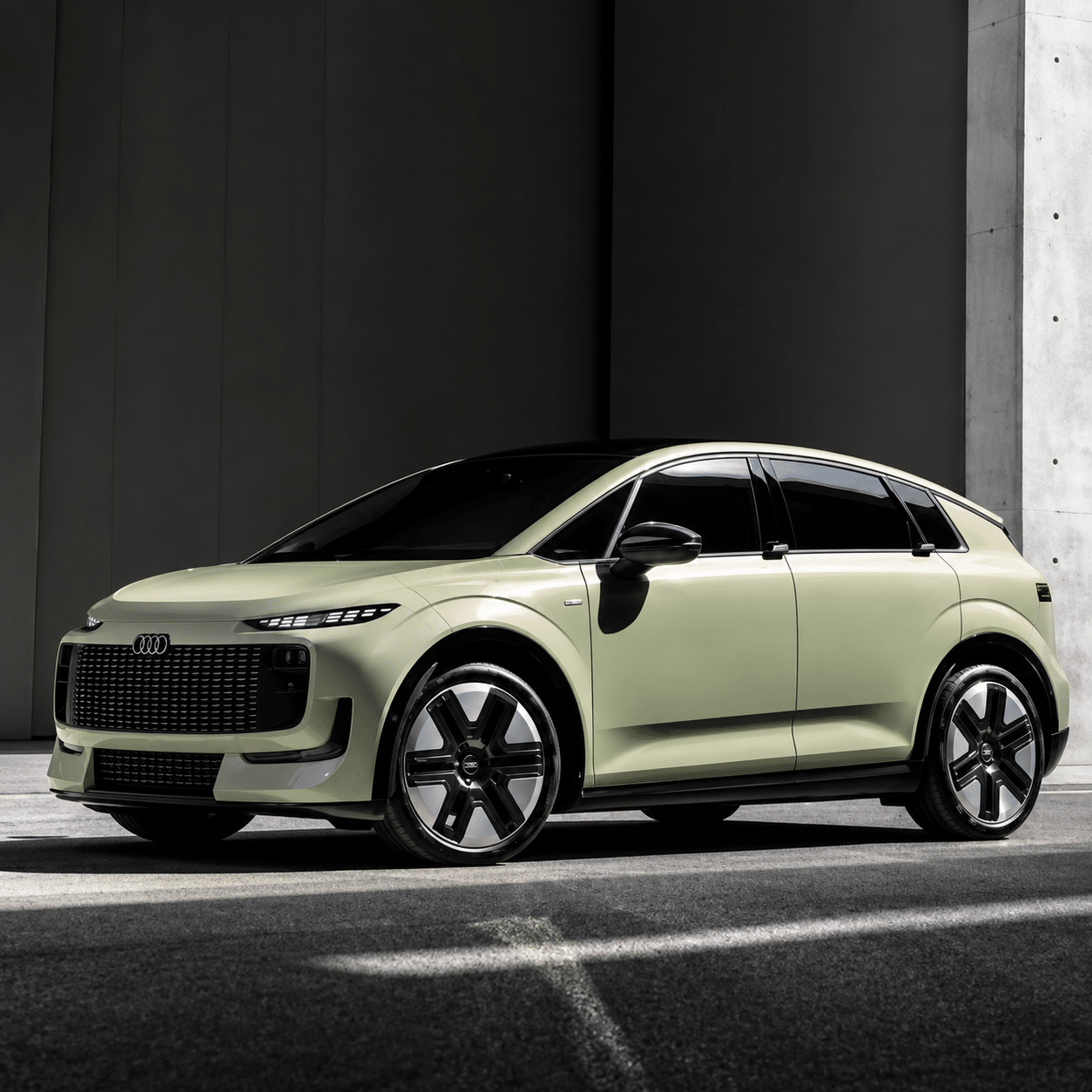
The company has unveiled the A2 e-tron, reviving a nameplate associated with Audi’s compact-car ambitions in the early 2000s. The new model is designed specifically for European customers and represents a significant shift in Audi’s approach to premium electric vehicles: rather than equating premium with greater power, size and resources, the company is emphasising efficiency, range and everyday usability.
Join The European Business Briefing
New subscribers this quarter are entered into a draw to win a Rolex Submariner. Join 40,000+ founders, investors and executives who read EBM every day.
SubscribeAudi’s Smaller-EV Strategy
The numbers are central to the pitch. Audi says the A2 e-tron consumes just 12.8 kWh per 100 kilometres, making it the most efficient production Audi yet, while the maximum WLTP range reaches 646 kilometres, or around 401 miles. Its drag coefficient is 0.24, reinforcing the emphasis on extracting more range from less energy.
That positioning reflects a wider change in European automotive demand. The industry is being squeezed between increasingly sophisticated Chinese manufacturers and consumers who are becoming more price-conscious about electric vehicles. EBM’s recent analysis of China’s growing share of the European car market highlighted how quickly the competitive landscape is changing, with Chinese brands potentially taking a much larger share over the next decade.
Audi’s challenge is particularly acute because sales have declined for two consecutive years. Global deliveries fell by more than 7% in the first half of 2026, although the company says business outside China has been considerably more resilient. European markets including Spain, Italy and Britain recorded growth, while German deliveries also increased.
A Premium Brand Under Pressure
The A2 e-tron therefore arrives at an important moment. Audi needs vehicles that can generate volume without destroying the premium positioning that supports its margins. That is becoming harder as Chinese manufacturers introduce electric models with competitive technology and increasingly aggressive pricing.
The pressure is visible across Germany’s automotive industry. The sector has already lost tens of thousands of jobs, while Volkswagen is pursuing a major restructuring programme designed to reduce capacity and simplify its sprawling manufacturing operation. Audi’s Neckarsulm plant is among the German facilities facing uncertainty beyond 2030.
The A2 e-tron will be manufactured at Audi’s Ingolstadt plant, with UK order books opening in October and first British deliveries expected in early 2027. European deliveries are scheduled to begin from December.
Can Efficiency Win Back Customers?
Audi’s bet is that the next stage of European EV competition will not simply be about battery size or horsepower. Smaller cars with lower energy consumption could become increasingly attractive as consumers look for affordable electric transport without sacrificing premium design and technology.
That is a sensible strategy. EBM’s recent reporting on Germany’s automotive job losses and Chinese competition shows why European manufacturers cannot rely indefinitely on their traditional advantages. They need products that are cheaper to produce, more efficient to operate and sufficiently distinctive to justify a premium.
The A2 e-tron will not solve Audi’s wider problems on its own. But it represents a more realistic response to the market than simply producing ever-larger and more expensive electric vehicles. Audi is effectively betting that Europe’s next premium car battle will be won by doing more with less.






