






























10 September 2026 — EBM Newsdesk Analysis. Katie Winearls
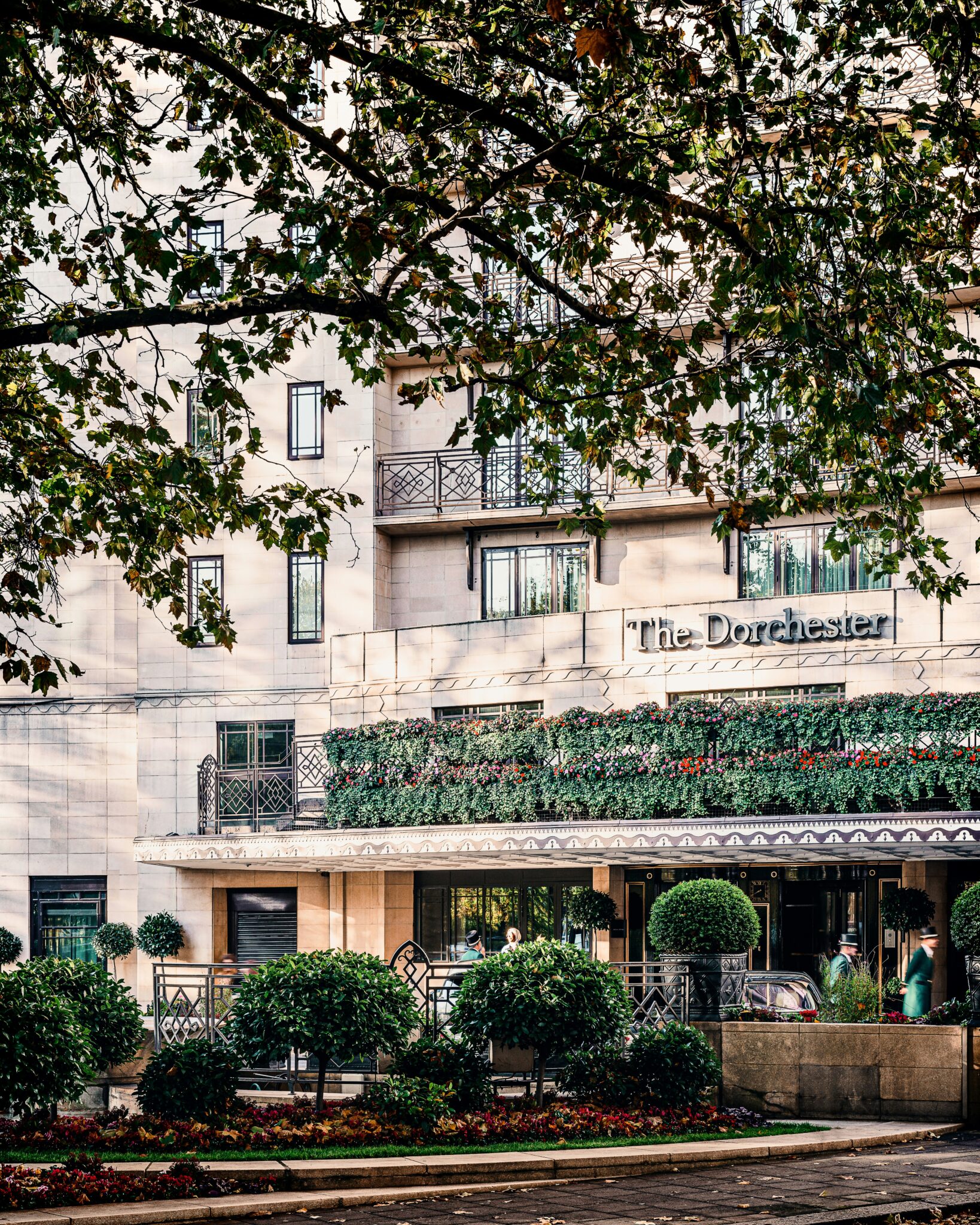
The Dorchester has secured a court order allowing it to sell a car belonging to a member of Qatar’s ruling family after an unpaid hotel bill reached almost £460,000, turning an extraordinary luxury-hotel stay into a revealing case study in international wealth, hospitality and debt recovery. The Mayfair hotel is pursuing approximately £458,000 from Sheikh Nasser bin Abdullah al-Thani over unpaid accommodation and associated charges, while a Central London County Court has authorised the sale of his 2011 Fiat 500 Abarth Tributo Ferrari, estimated to be worth about £23,500. Even if the vehicle achieves that valuation, it would recover only a small fraction of the outstanding debt.
A £23,500 Car Against a £458,000 Debt
The mathematics are almost theatrical. The car is worth barely 5% of the amount being pursued, although its Ferrari connection gives it considerably more cachet than an ordinary Fiat 500. The Ferrari business model is built around scarcity, controlled supply and exceptional pricing power, which has helped turn the Italian marque into one of the world’s most formidable luxury businesses. The UK has nevertheless become a more complicated market, with Ferrari having curbed UK allocations amid pressure on residual values following changes to Britain’s tax regime and the departure of some wealthy customers. In this case, however, the economics are brutally simple: even a desirable collector’s car cannot make much of a dent in a debt approaching half a million pounds.
Join The European Business Briefing
New subscribers this quarter are entered into a draw to win a Rolex Submariner. Join 40,000+ founders, investors and executives who read EBM every day.
SubscribeAl-Thani did not attend the hearing and his lawyers have reportedly indicated that he was unaware of the proceedings and intends to challenge the judgment. That means the dispute may not be finished. The court order nevertheless gives The Dorchester a route towards enforcement, and that is where the story becomes more interesting from a business perspective. Winning a judgment and recovering the money are not necessarily the same thing, particularly when a customer’s wealth and assets extend across jurisdictions.
When Luxury Hospitality Becomes a Credit Business
At the top end of the hospitality market, a hotel does not simply sell a room. A wealthy guest can generate substantial revenue through suites, restaurants, private dining, concierge services and extended stays. The Financial Times reports that rooms at The Dorchester range from roughly £1,000 a night to more than £8,000, illustrating how quickly accommodation alone can produce a substantial liability. Yet luxury does not eliminate credit risk. Once a guest has stayed in a room, eaten the meals and used the services, the hotel has delivered much of what it was selling and is left with a receivable if payment does not arrive.
That creates a peculiar form of counterparty risk. A conventional business can stop supplying a customer when invoices go unpaid; a hotel cannot recover the nights that have already been consumed. The problem becomes still more complicated when the customer is internationally wealthy and assets may be held through companies, trusts, property structures or investment vehicles in different jurisdictions. The Dorchester case therefore says as much about the mechanics of London’s luxury economy as it does about one disputed hotel bill.
London’s Wealth Economy Is Changing
The Dorchester sits inside a London ecosystem built around internationally mobile wealth. The capital’s luxury market now extends well beyond traditional hotels and restaurants into private members’ clubs, specialist property, luxury retail and wealth management. The growth of London’s private members’ club market illustrates how exclusivity itself has become a commercial product, with wealthy customers paying for access to carefully curated networks as much as for physical facilities.
But Britain’s relationship with internationally mobile wealth is changing. The abolition of the non-dom regime has altered the tax calculation for wealthy individuals and entrepreneurs, with evidence of thousands of entrepreneurs leaving Britain. For London, that creates a difficult balance: the city remains one of the world’s most powerful centres for finance, property and luxury services, but competing European jurisdictions are increasingly prepared to offer wealthy individuals attractive alternatives. The issue is not simply whether someone pays more tax; it is whether they still choose to live, spend and invest in Britain.
Qatar and the London Luxury Market
Qatari capital is itself deeply connected to London’s luxury economy, with interests across property, hospitality and other major UK assets. That wider relationship should not be confused with the current case, which concerns Sheikh Nasser bin Abdullah al-Thani personally rather than the Qatari government. Nevertheless, it illustrates the extraordinary degree to which Gulf wealth and London’s premium economy have become intertwined.
For the hospitality industry, that relationship is commercially valuable but carries its own risks. The wealthiest customers can be the most profitable because they spend far beyond the basic room rate, yet they can also create greater exposure when relationships deteriorate. The same dynamics are visible in luxury retail, where Watches of Switzerland’s changing market reflects the growing importance of wealthy consumers, scarce products and carefully managed access. Hotels are selling a similarly scarce commodity: privacy, service and status.
The Bottom Line
The image of a London hotel seeking to sell a Ferrari-linked Fiat 500 to recover an almost £460,000 unpaid bill is almost perfectly designed for a headline. But beneath the colourful details is a serious commercial lesson. Luxury hospitality depends heavily on internationally mobile wealth, yet international wealth can make enforcement considerably more complicated. The Dorchester has obtained a court order and permission to sell the vehicle, but the car itself is worth only a fraction of the debt.
The case ultimately demonstrates that prestige is not a substitute for commercial discipline. Hotels may compete fiercely for the world’s wealthiest customers, but even at the very top of the market, credit exposure, payment controls and enforceability still matter. In this instance, a £23,500 car is being asked to solve a £458,000 problem — and the real value of the story lies in what that mismatch reveals about the business of luxury itself.