































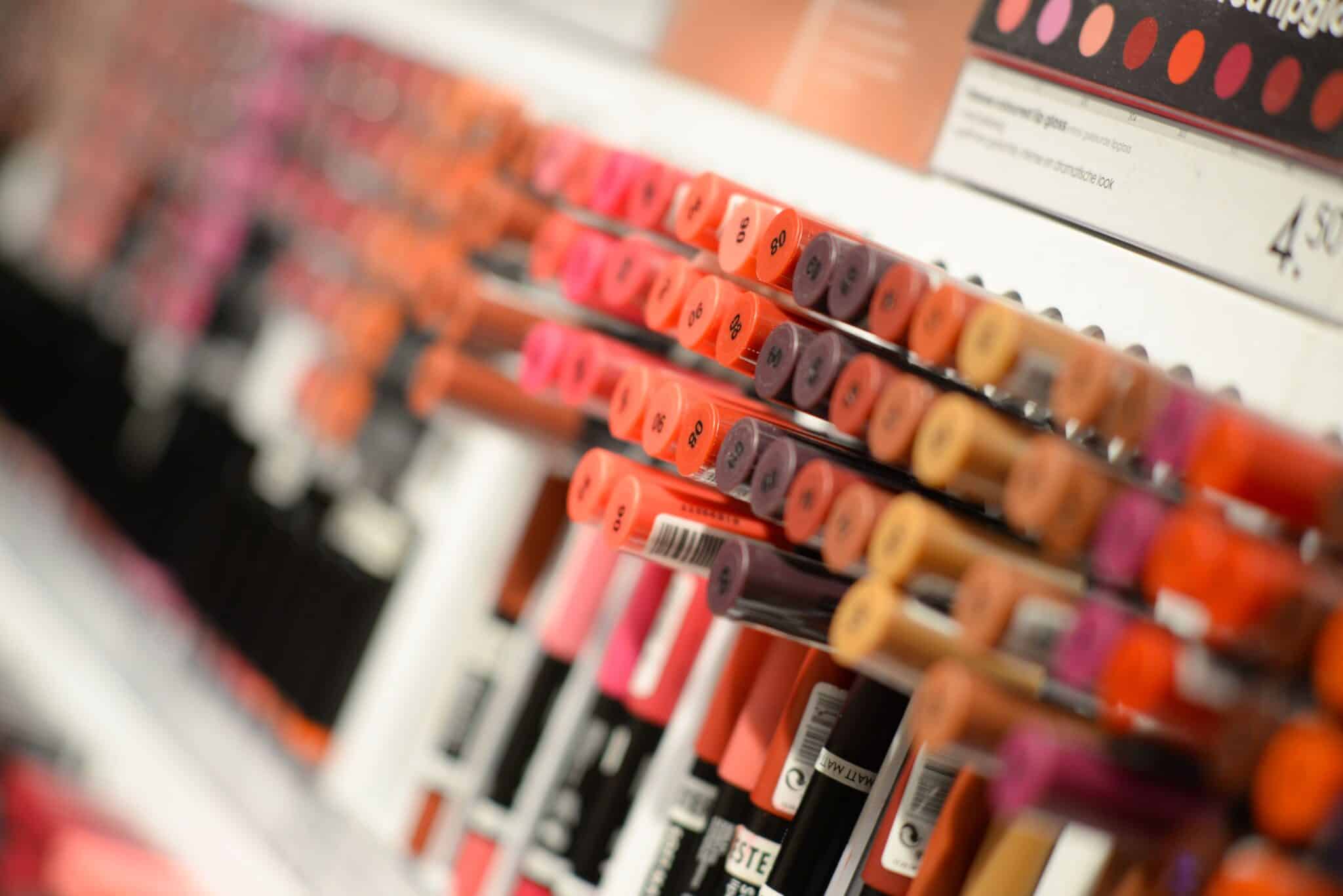
European beauty retailers are changing how they choose wholesale brands. The old model favoured wide catalogues and long seasonal buying cycles. That approach is harder to defend when demand shifts quickly, cash is tied up in slow stock, and the same product can perform very differently across countries or sales channels.
The better question is no longer how many brands a retailer can list. It is which brands deserve shelf space, how deeply each line should be stocked, and whether the supply route can support replenishment if demand holds.
Demand quality matters more than online attention
A burst of online interest can justify a test order, but it does not always support a full seasonal commitment. Retail buyers need to separate short-lived attention from demand that can produce repeat sales.
Join The European Business Briefing
New subscribers this quarter are entered into a draw to win a Rolex Submariner. Join 40,000+ founders, investors and executives who read EBM every day.
SubscribeSearch activity, marketplace movement, customer requests, store-level sales and reorder frequency all help. None is decisive alone. A product that attracts clicks but rarely converts can create the wrong signal, while a less visible item with steady repeat purchases may be a safer use of working capital.
In beauty, the commercial role of a product changes by channel. A physical retailer needs an assortment that makes sense on a shelf. An ecommerce operator may be able to carry more variants, but still has to account for storage, listing costs and returns. A marketplace seller also needs to consider platform documentation and account risk before committing to stock.
Assortment depth should follow the sales channel
Broad availability can look attractive on a supplier list. It can also hide a poor buying decision. Retailers usually get more value from a controlled set of products with clear roles than from a large mixed order assembled around unit price.
Core products should have a plausible route to repeat sales. Trend-led products need smaller opening quantities and tighter review points. Shade-dependent makeup requires particular care because a strong product line can still leave a retailer with an uneven mix of fast and slow colours.
Skincare and personal care bring a different problem. Buyers may prefer lines with a simple routine, recognisable product roles and enough continuity to support replenishment. Fragrance buyers have to weigh brand recognition against packaging condition, shipping requirements and the cost of holding premium stock.
The assortment should be built from the channel backwards. Starting with the available stock and trying to invent a retail case for it later is where dead inventory begins.
European expansion requires country-level decisions
Europe is not one beauty market. Language, retailer structure, price expectations and category demand vary by country. A product mix that suits an online seller in the United Kingdom may not fit a pharmacy-oriented buyer in another market or a regional distributor serving several countries.
That does not mean every order must be completely local. It means the buyer should identify which part of the assortment is genuinely transferable and which part depends on local demand. Recognised brands and clear product formats often travel more easily. Shade mixes, niche trends and premium positioning usually need more local evidence.
Cross-border buyers also have to plan the route of the goods. Freight, consolidation, carton configuration, destination requirements and warehouse intake can change the economics of an otherwise sensible order. The lowest quoted unit cost can lose its advantage once fragmented shipping and additional handling are added.
Supplier evaluation should continue after the first order
A supplier should not be judged only on the opening price list. Retailers need to see what happens after the first purchase.
Was the product information accurate? Did the carton contents match the order? Was packaging condition suitable for the intended channel? Could the supplier explain what was available for reorder? Did communication remain clear when a product was unavailable?
These operational details determine whether a source can support a repeatable buying programme. They also help retailers decide which suppliers should handle core inventory and which are better suited to opportunistic purchases.
Multi-brand distributors can be useful when a buyer wants to consolidate categories, test a new line or fill gaps between direct brand orders. Buyers reviewing wholesale distribution options for Europe can use https://minmaxdeals.com/what-we-do/regions/europe/ as one reference point when comparing routes, categories and supplier fit.
A practical review before committing capital
Before approving a wholesale beauty order, the buyer should be able to explain the role of each product group. Core items need a replenishment case. Test items need a clear quantity limit. Premium goods need a channel that can protect their resale value. Any line with uncertain demand should have a defined review date rather than an open-ended place in the catalogue.
The same discipline applies to brands. Retailers do not need every recognised name. They need a mix that serves their customers without spreading stock too thinly across too many products.
European beauty wholesale is moving toward smaller tests where evidence is weak and closer review after the first order. Retailers that connect demand signals, assortment planning and replenishment decisions are less likely to tie up cash in catalogue size for its own sake.






