































London, 19 August 2026 — EBM Newsdesk Analysis —Katie Winearls
For years, international roaming was one of the mobile industry’s most dependable sources of profit. Travellers crossed a border, continued using their phones and paid a premium bearing little relation to the underlying cost of supplying data.
Travel eSIMs are beginning to dismantle that model.
Join The European Business Briefing
New subscribers this quarter are entered into a draw to win a Rolex Submariner. Join 40,000+ founders, investors and executives who read EBM every day.
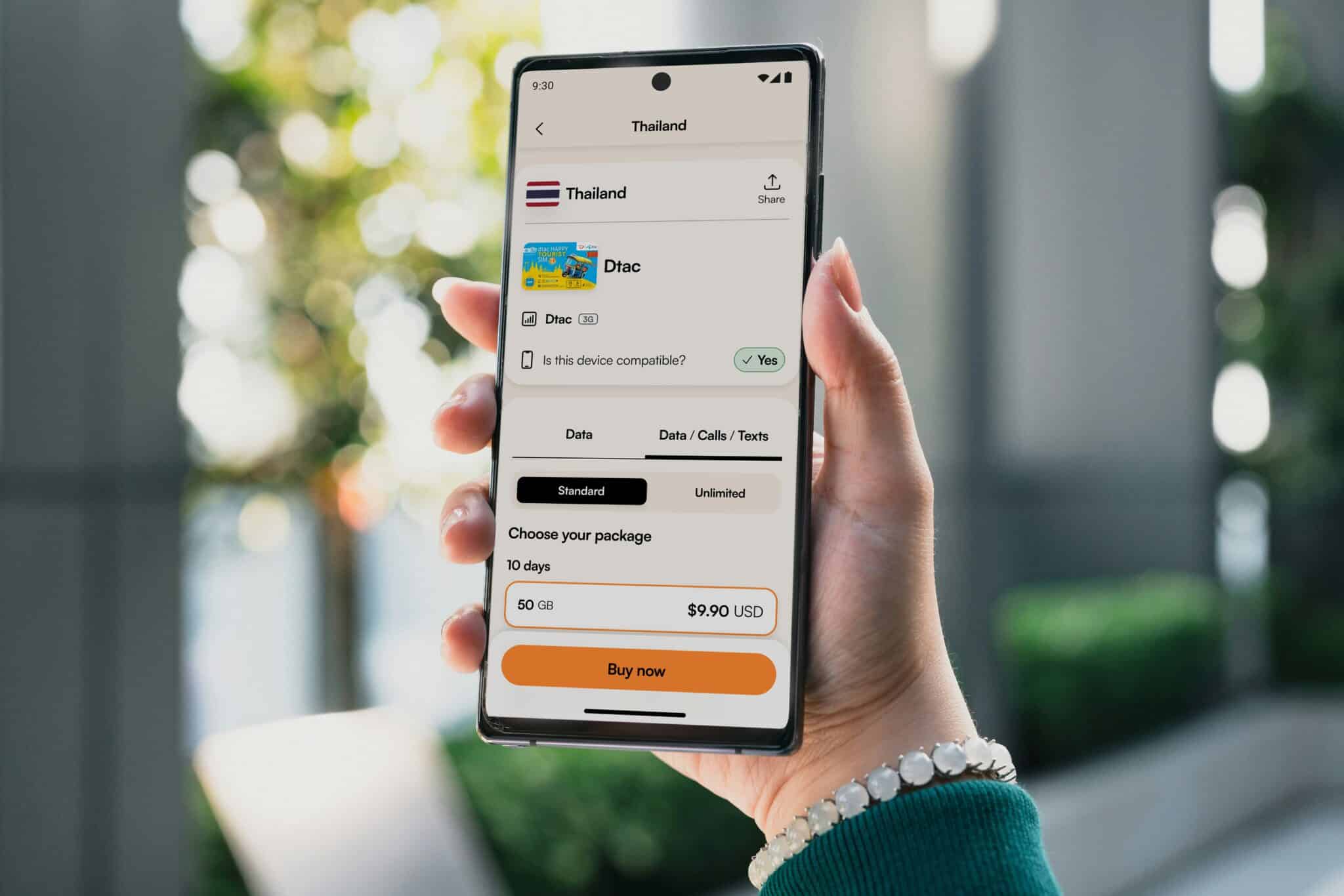
SubscribeAn eSIM allows a traveller to download a temporary mobile-data plan without replacing the physical SIM card or cancelling the contract with their domestic operator. Installation takes minutes, prices are transparent and customers can choose a provider before leaving home.
That combination is turning roaming from an automatic charge imposed by an existing network into a product consumers actively shop for.
Global travel eSIM usage is expected to increase 32 per cent this year, from 101.8mn users in 2025 to approximately 134mn, according to figures reported by the Financial Times. The market, valued at £649mn last year, is forecast to reach £3.2bn by 2030.
Software removes the operator’s advantage
Traditional operators benefited from friction. Buying a local SIM meant finding a shop, producing identification and physically changing cards. Many passengers instead accepted roaming charges or relied on hotel WiFi.
An eSIM removes that inconvenience. Travelers can select a destination-specific product, such as an eSIM plan for Japan, and activate it upon arrival. The domestic number can remain available for calls and messages while the eSIM handles data.
The price gap can be substantial. Research cited by industry providers suggests travellers typically spend considerably less on an eSIM than on conventional roaming.
Competition is also extending beyond specialist connectivity companies. Revolut and Klarna have entered the market, placing travel data alongside payments and other services already used abroad. Airlines, banks and travel platforms can similarly add connectivity to their existing applications.
This is the strategic danger for telecom companies. The eSIM does not merely introduce cheaper competitors; it transfers control of the customer relationship to businesses with stronger digital engagement.
Adoption is reaching a tipping point
Travel eSIMs remain a minority product. A GSMA Intelligence survey across 11 major countries found that 12 per cent of recent international travellers had used one.
But the barriers are falling quickly. There were more than 326 compatible smartphone models in 2025, an increase of about 50 per cent in a year. Some manufacturers have removed physical SIM slots altogether, teaching consumers that mobile service can be downloaded like any other software.
Airalo says it serves more than 20mn travellers. Holafly has sold more than 10mn eSIMs and generated over $500mn in revenue since the pandemic.
The market’s development mirrors what internet messaging did to SMS. Operators once treated text messages as a high-margin service. WhatsApp and its competitors reduced messaging to a data function, leaving the networks to carry traffic while technology platforms captured the customer’s attention.
Travel eSIM providers are attempting a similar separation between infrastructure ownership and service delivery.
Operators still possess important advantages
The threat is serious, but mobile operators are not powerless. They own or control the networks on which most travel eSIM services ultimately depend. Many specialist providers buy wholesale access from established carriers, meaning some roaming revenue is displaced rather than eliminated.
Operators also retain billing relationships with hundreds of millions of consumers and can respond by simplifying international packages, reducing prices or launching travel eSIM brands of their own. Vodafone and Orange are among those already adapting.
The industry’s difficulty is psychological as much as technological. Matching specialist prices means voluntarily reducing a profitable revenue stream before competitors take it away. Executives must choose between protecting margins today and protecting customer relationships tomorrow.
Roaming’s era of artificial scarcity is ending
Travel eSIMs will not eliminate roaming immediately. Some customers will continue paying for the convenience of using their existing contract, particularly when their employer covers the bill. Others will value calls, text messages and customer support that data-only services may not provide.
But the direction is clear. By 2030, more than 35 per cent of international trips could involve an eSIM purchased before arrival, according to Counterpoint Research.
Telecom operators have long argued that roaming premiums compensate for international complexity. eSIMs reveal how much of that complexity was experienced by the customer rather than required by the technology.
Once travellers realise that mobile connectivity can be purchased globally, instantly and independently of their home network, the old pricing model becomes difficult to defend.
The operators will continue carrying the data. The question is whether they will still control—and profit handsomely from—the journey.