





























Packaging is frequently one of the last things a growing e-commerce brand thinks seriously about. Product development, marketing and customer acquisition tend to dominate attention in the early stages, while packaging is often treated as a purely functional afterthought, chosen mainly to keep costs down and get the product from A to B intact. This is a missed opportunity, because packaging sits at one of the most emotionally significant moments in the entire customer journey, and getting it right can influence everything from damage rates to repeat purchase behaviour.
The Unboxing Moment Is Genuinely High-Stakes
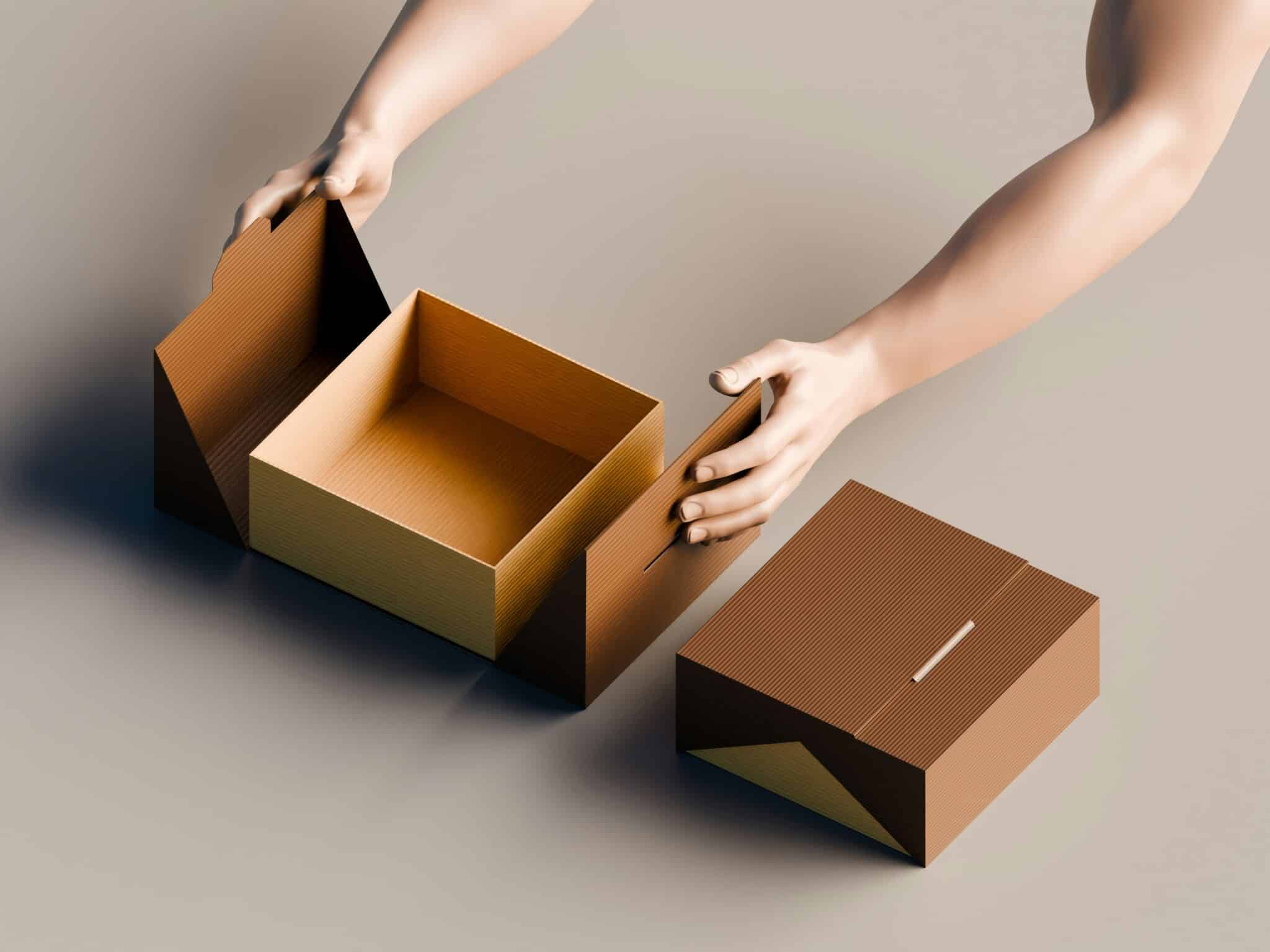
By the time a customer opens their parcel, they’ve already committed money and, often, some level of anticipation to the purchase. This moment carries disproportionate emotional weight compared to almost any other point in the customer journey. A package that arrives crushed, poorly protected or simply generic and forgettable undersells everything that came before it, no matter how strong the marketing or product itself is. Conversely, a package that feels considered, well-protected and on-brand reinforces the sense that the customer made a good decision, right at the moment that matters most.
Join The European Business Briefing
New subscribers this quarter are entered into a draw to win a Rolex Submariner. Join 40,000+ founders, investors and executives who read EBM every day.
SubscribeThis effect is amplified for products where condition on arrival genuinely matters to the customer’s perception of value, whether that’s collectibles, cosmetics, food items or anything visually delicate. For these categories in particular, packaging isn’t a cosmetic detail, it’s directly tied to whether the customer perceives they received exactly what they paid for.
When Generic Packaging Actively Damages the Brand
Some brands only discover the true cost of inadequate packaging after a pattern of returns and complaints starts to emerge. A product that arrives with minor damage, even if it’s still technically usable, often triggers a return or refund request, particularly for higher-value items where customers have understandably high expectations. Beyond the direct cost of that return, there’s a real risk to brand perception: a customer who receives a damaged item, regardless of whether the damage happened in transit rather than being the brand’s fault in any direct sense, tends to associate that negative experience with the brand itself.
This is particularly acute for brands selling items that are fragile, valuable, or where the buyer has an emotional attachment to receiving the product in pristine condition. For these brands, investing properly in custom, purpose-designed packaging isn’t a luxury, it’s closer to a necessity for protecting both the physical product and the brand’s reputation simultaneously.
Custom Packaging as a Practical Problem-Solving Exercise
Getting packaging right typically isn’t a one-off design decision, it’s closer to an ongoing, practical problem to solve. It involves understanding exactly how a specific product behaves in transit, where it’s vulnerable to damage, and designing protective packaging around those specific weak points, rather than relying on generic, one-size-fits-all packaging that wasn’t designed with that particular product in mind.
This kind of tailored approach often comes from close collaboration between a brand and whoever is managing its fulfilment, since the fulfilment side of the business typically has the clearest, most direct visibility into which products are arriving damaged and why. Brands that treat this as a genuine, ongoing collaboration rather than a packaging decision made once and never revisited tend to see meaningfully lower damage rates over time.
The Brand Value Custom Packaging Adds Beyond Protection
Beyond pure protection, custom packaging also offers a genuine branding opportunity that’s easy to overlook. Thoughtful, on-brand packaging turns a routine delivery into a small moment of brand reinforcement, and for some brands, into genuinely shareable content, as customers photograph and post their unboxing experience online. This kind of organic, customer-generated exposure is difficult to manufacture through paid marketing alone, and it tends to emerge naturally from brands that have invested real thought into how their packaging looks and feels, rather than treating it purely as a cost to be minimised.
Making the Investment Where It Counts
Not every brand needs elaborate, expensive custom packaging for every single product. But for brands selling items where condition on arrival genuinely matters to the customer’s experience of value, investing in properly designed, protective packaging tends to pay for itself, both through reduced damage-related returns and through the stronger brand impression it creates at exactly the moment a customer is forming their lasting opinion of the company. Among the best fulfilment companies in Europe, the strongest partnerships tend to be the ones where packaging design is treated as a genuine, ongoing collaboration rather than an afterthought bolted onto the fulfilment process.
Key Takeaways
- The unboxing moment carries disproportionate emotional weight in shaping a customer’s overall impression of a brand.
- Generic, inadequate packaging can directly drive returns and damage brand perception, even when transit damage isn’t the brand’s fault.
- Custom packaging works best as an ongoing, collaborative process informed by real data on where products get damaged.
- Thoughtful packaging can generate genuine organic exposure, as customers share their unboxing experience online.
- Prioritise investment in packaging for products where condition on arrival most directly affects perceived value.
Few operational investments offer this combination of practical protection and genuine brand-building value at a comparable cost. It remains one of the more underrated levers available to growing e-commerce brands today. Brands that treat it as an afterthought are, in effect, leaving both protection and brand-building value on the table unnecessarily. That single detail continues to pay dividends long after the packaging investment itself has been made.