




























Berlin, 16 July 2026 — EBM Newsdesk Analysis — By Anthony Gill
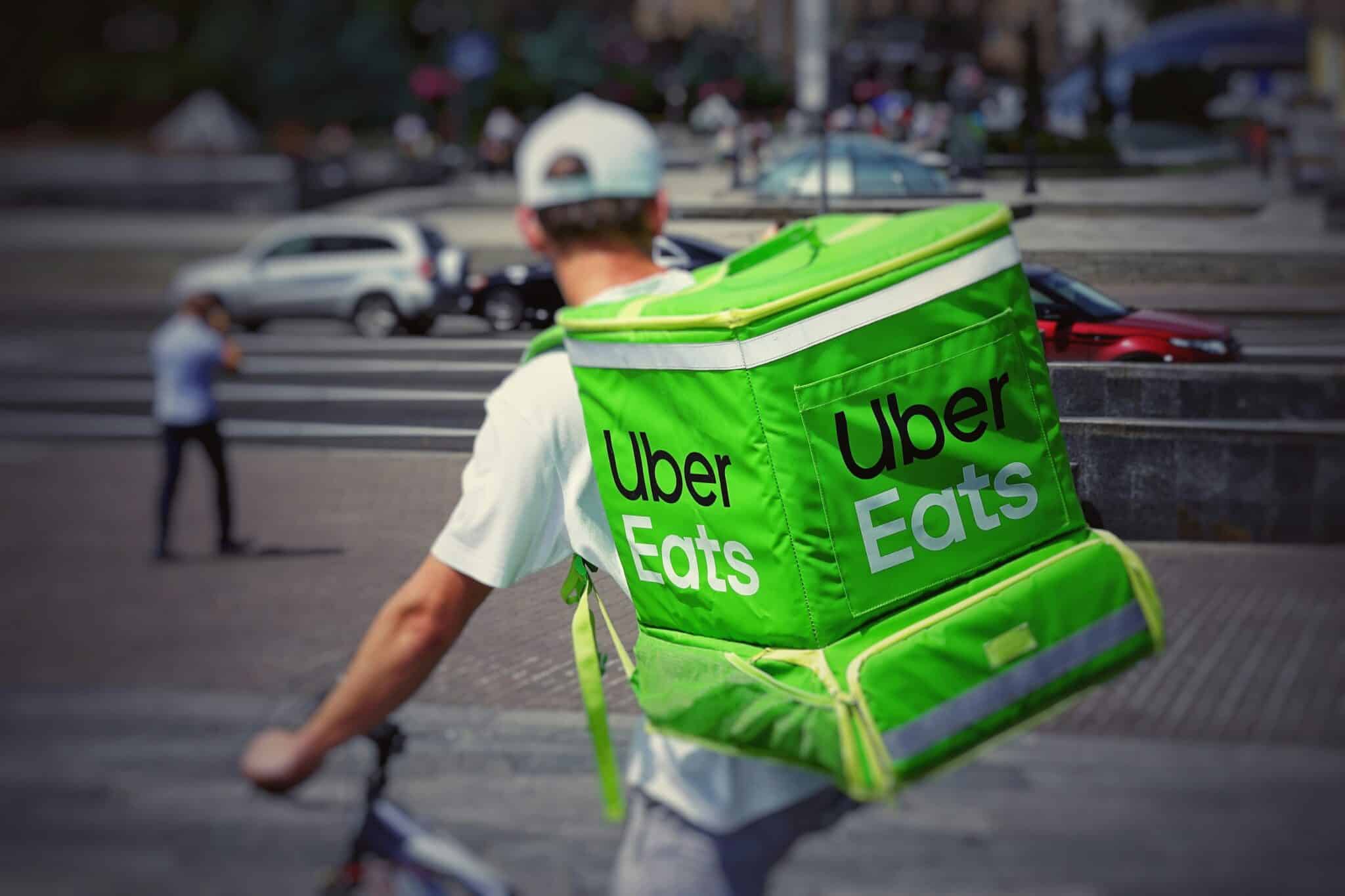
On Thursday 16 July, Berlin-based Delivery Hero backed a €13bn takeover by Uber, ending years of speculation about the German group’s future with an all-cash offer of €41.50 a share. The price carries a 34 per cent premium to the stock’s three-month average, yet Delivery Hero’s Frankfurt shares slipped on the news. That gap is the tell: investors do not doubt the price, they doubt Brussels. This Uber Delivery Hero deal will not be settled in a boardroom.
It will be settled by competition regulators. Uber and Delivery Hero compete head to head in more than a dozen markets, and merging them would hand one owner dominant positions across several European countries at once. Uber has tried to defuse that objection before the ink dries. Under the terms, the German group’s operations in 14 overlapping markets will be carved out and sold to New York’s SSW Partners for €1.4bn, leaving Uber the remaining 50.
Join The European Business Briefing
New subscribers this quarter are entered into a draw to win a Rolex Submariner. Join 40,000+ founders, investors and executives who read EBM every day.
SubscribeThe price, and the escape hatch
The offer values Delivery Hero at €13bn, or about $14.8bn. Because Uber already controls close to a quarter of the company’s voting rights, the fresh cash it must find is smaller, and the transaction nets out nearer €12bn. Completion hinges on shareholders tendering at least half the stock plus one share, a bar Uber has all but cleared, since Prosus, the Amsterdam-listed investor holding just under 17 per cent, has already agreed to sell. The Turkish brand Yemeksepeti sits among the units heading to SSW, a structure built to remove the sharpest antitrust overlaps before regulators can name them.
Why Uber is paying up
The prize is scale. Together the two firms processed $236bn of gross bookings last year and would reach across 99 countries, forming the largest food-delivery group outside China. The deal fills gaps in Uber’s map, adding weight in South Korea, Italy, Saudi Arabia, the United Arab Emirates and Argentina. Delivery Hero brings more than restaurants. Its network of roughly 800 rapid-fulfilment warehouses, branded Dmarts, pushes Uber deeper into quick commerce, where groceries land in minutes rather than days. That matters at home as much as abroad. Uber is under sustained pressure from DoorDash’s international push, and rather than fight a costly war on its own doorstep, chief executive Dara Khosrowshahi has chosen to buy dominance in markets his rival has barely entered.
What Berlin keeps
For a German champion built since 2011, the surprise is how little visibly changes at first. Delivery Hero keeps its Berlin headquarters until at least 2029, and Uber has pledged €2bn of investment in Germany through 2031, commitments aimed as much at Berlin’s politicians as at its regulators. Niklas Oestberg, the founder who steered the company from a Berlin start-up to a 60-market operator, frames the tie-up as a way to fund the local delivery and quick-commerce networks he can no longer bankroll alone. The subtext is harder. A decade of expansion never produced the profits public markets demanded, and a cash exit at a premium is the cleaner ending.
The Brussels problem
The carve-out shows Uber has studied Europe’s food-delivery consolidation closely, but it will not be enough on its own. The European Commission is likely to probe how much pricing power the combined group would hold in individual national markets, and the €1.4bn disposal to SSW may not convince every regulator that real competition survives. Uber’s 24.99 per cent voting stake was itself engineered with care, sitting a fraction below the level that would trigger a German foreign-investment review or a fresh merger-control test. None of that is accidental, and none of it guarantees approval. Reviews of this size routinely run past a year.
A market eating itself
The logic is consolidation, and Uber is arriving late rather than early. Last year DoorDash swallowed Britain’s Deliveroo and Prosus bought Just Eat Takeaway, thinning the field of independent European players with every deal. Each transaction makes the next easier to justify and harder to block, because the alternative is a fragmented market that cannot fund the density and technology delivery economics now demand. The counter-argument, and the one regulators will weigh most heavily, is simple: fewer owners tend to mean higher fees for the restaurants and diners left with nowhere else to go.
Two audiences now matter, and only one has spoken. Delivery Hero’s shareholders have said yes. Brussels and Berlin have not, and their verdict will shape who owns Europe’s dinner for the next decade.
Related Analysis