































Los Angeles, 5th July 2026 (EBM WEEKEND READ) —By Brad Adams
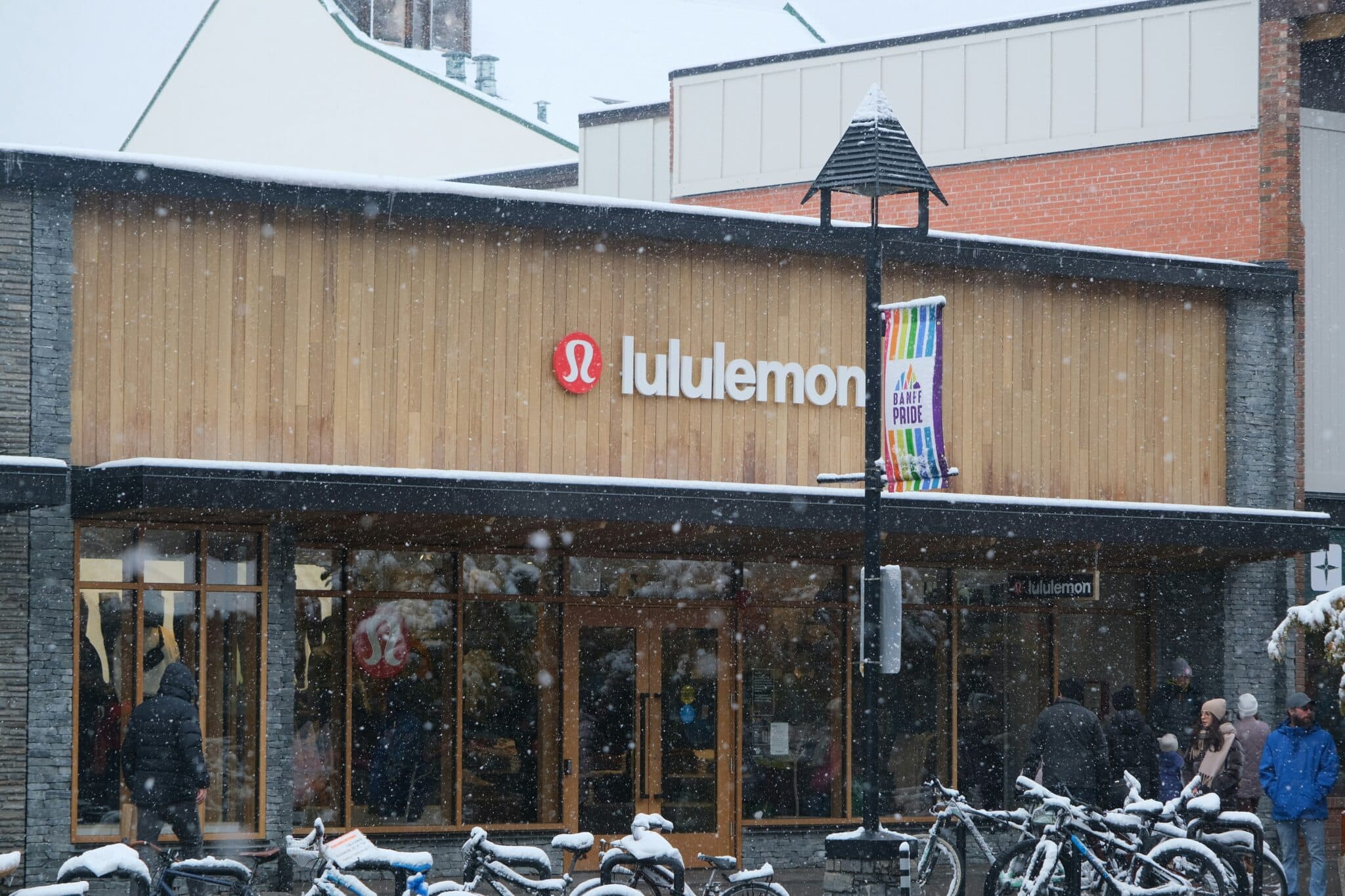
The conventional wisdom is simple. Lululemon lost to two rivals: Alo stole its cultural cachet, while Athleta captured the customers it ignored. It’s an appealing story. It’s also wrong. Lululemon didn’t lose to two competitors. It lost to the end of category scarcity — and the rise of fragmentation.
Why Lululemon Actually Lost

Join The European Business Briefing
New subscribers this quarter are entered into a draw to win a Rolex Submariner. Join 40,000+ founders, investors and executives who read EBM every day.
SubscribeTen years ago, Lululemon owned an entire category by default — premium yoga wear barely existed before 1998, and for two decades nobody matched its quality or credibility at the same price. That scarcity is gone. The premium activewear segment is now worth an estimated $250 billion and growing at over 10% annually, with dozens of credible operators inside it. Lululemon didn’t become a worse retailer. It became one excellent retailer in a market that suddenly had twenty.
Fragmentation, Not Rivalry
Consumers stopped buying a category and started buying communities. That’s the mechanism the standard account misses entirely — Lululemon isn’t losing a two-front war, it’s losing share to a market structure that no longer rewards scale by itself. The barrier that used to protect an incumbent — capital intensity, retail distribution, the cost of building brand trust — has collapsed for any operator willing to serve a narrow community instead of a mass audience.
The internet didn’t just lower the cost of advertising. It lowered the cost of building trust. Twenty years ago, credibility required television, magazines and stores. Today, one creator can build a billion-dollar brand.
Why Alo Actually Succeeded

Why Athleta Didn’t
Athleta got the positioning right and the execution wrong. It correctly identified the size-inclusive customer Lululemon ignored, crossed $1 billion in revenue back in 2020, and has declined every year since — first-quarter 2026 sales down 12% to $270 million, with Gap’s own CEO calling it a multi-year “reset.” Values-led positioning without consistent execution doesn’t convert into sustained revenue.
The Pricing Question Nobody Asks
Here’s what’s genuinely strange about this entire category: none of these brands compete on price. Lululemon, Alo, Vuori and Athleta all sit within a similar premium band, and none has meaningfully discounted to defend share. That’s only possible because the competition isn’t happening on price at all — it’s happening on which community a brand can convince to pay premium prices in the first place. Price competition is what happens when brands fight for the same customer. These brands are mostly fighting for different customers entirely, which is precisely why fragmentation, not price war, is the right word for what’s happening to the category.
Nike Is the Elephant in the Room
Lose sight of Nike and you lose sight of the real scale of this shift. At $51 billion in revenue and roughly 27% of the entire global sports-brand market, Nike dwarfs every company in this story combined — and its stock sitting at an 11-year low proves fragmentation isn’t a niche-brand phenomenon, it’s structural. If a company with Nike’s marketing budget, retail footprint and cultural weight can’t out-execute a wave of narrower community-first brands, no incumbent’s scale is safe by default anymore.
Who Else Is Taking Share

The Bottom Line
The next decade won’t belong to another Lululemon. It’ll belong to dozens of smaller brands, each owning a narrower community with remarkable precision. That’s a much harder market for incumbents — and a much better one for consumers.
Related Reads:
- Nike’s stock at an 11-year low
- Alo Yoga’s real marketing model
- Lululemon vs Alo vs Athleta: the numbers