






























EBM Newsdesk Analysis
On 26 May 2026, the FTSE 100 held a cautious spring in its step, betting that the fragile Middle East ceasefire survives even after fresh US strikes inside Iran targeting missile launch sites and mine-laying vessels. The optimism is real but fading. The limited nature of the action may calm fears of a fresh escalation, and a ceasefire still holds — but it is visibly brittle, and both sides had signalled a lasting deal was not close even before the latest attacks.
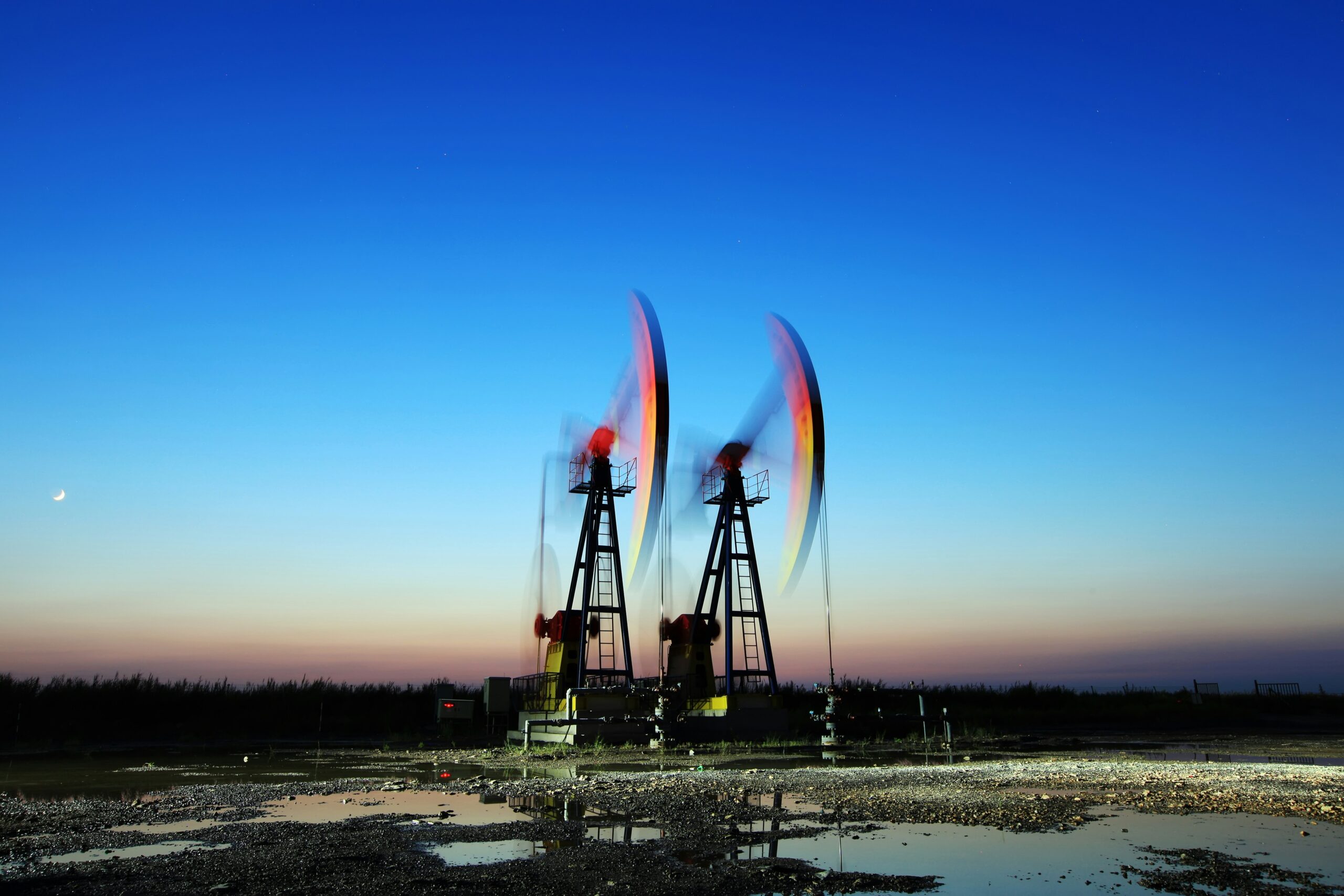
That uncertainty is doing the talking. With diplomacy stalled, Brent crude has climbed back above $98 a barrel, reversing a sharp weekend slide as speculation fills the void. The hard truth for markets is that even a swift return to the table would not fix supply quickly: it will take months to get the region’s oil flowing freely again, and output will stay constrained by the damage already done to energy facilities.
The war is already on the shelves
The conflict’s inflationary fallout has arrived in British shops. UK shop price inflation rose to 1.2% year-on-year last month, up from 1.0% in April — which had been the slowest pace in four months — and ahead of the 1.1% economists expected. Prices are climbing faster than forecast, and the cause is not just oil.
Join The European Business Briefing
New subscribers this quarter are entered into a draw to win a Rolex Submariner. Join 40,000+ founders, investors and executives who read EBM every day.
SubscribeHigher shipping costs are working their way through the system. Non-food prices rose 0.5% year-on-year, driven mainly by furniture and beauty products. The commodities behind manufacturing and distribution — energy, plastics and more — have all jumped, and retailers can only absorb those costs for so long before passing them on. Expect more of that pressure to land on shelves in the months ahead.
Why the supermarkets are holding the line
The headline figure would have been worse but for one force: the grocery price war. Ferocious competition between the supermarket chains drove food inflation down to its lowest in a year, taking the edge off the overall number. That rivalry may keep a lid on prices even as broader costs creep in later this year.
It also explains why retailers reacted so badly to the idea of voluntary price caps on essential goods. With margins already wafer-thin, a cap on the very products where competition is fiercest would squeeze them precisely where they have least room to give. The grocers’ message to policymakers is blunt: the market is already doing the disinflationary work, so don’t break it.
The heatwave is rewriting the receipts
Britain has just logged its warmest May night on record, and that weather is reshaping what lands in baskets. Fans, paddling pools, blackout blinds and ice-cube trays will have been filling real and virtual trolleys, offering a timely lift to household-goods retailers in the middle of a heatwave.
The clearest beneficiary may be Kingfisher, the DIY group behind B&Q and Screwfix, as households prep gardens and homes for the sun. Total sales rose 1.4% in the three months to 30 April even with a late start to spring denting demand — so a renewed appetite for makeovers and summer essentials could keep tills ringing into the warmer months.
A staycation summer beckons
The hot bank holiday has likely been a windfall for the hospitality trade too. Pubs and bars with gardens and terraces will have done brisk business as people made the most of the days off — and the read-through for the wider leisure economy is positive.
It also bodes well for domestic tourism. The threat of higher air fares and disrupted routes — itself a function of the oil shock and regional instability — is still weighing on holidaymakers. With Britain bathed in sunshine, that nervousness could translate into a wave of bookings for UK destinations this summer, handing staycation operators an unexpected boost. For now, the market’s mood hangs on a ceasefire it cannot trust and a barrel price it cannot predict — but on the high street, the British summer is quietly doing its own stimulus.
Related Analysis