































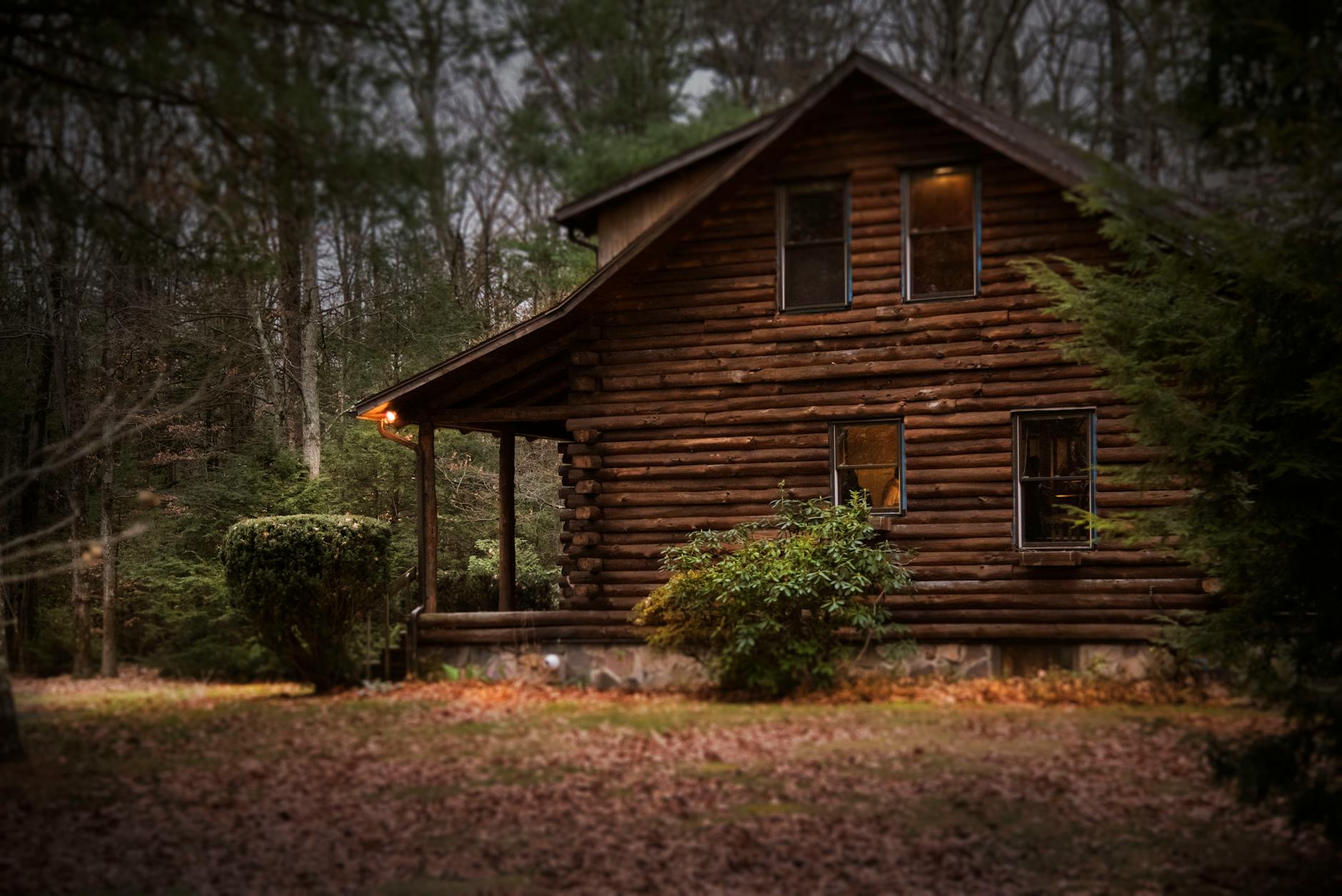
The idea of building a wooden house is no longer limited to rural landscapes or vacation cottages. Today, many people in Europe and beyond choose timber structures as their main residence, office, or garden retreat. A wooden house offers a unique blend of natural aesthetics, sustainability, and practicality. Whether you are considering a compact garden house for work or a full-sized timber house for your family, the benefits of this type of construction are worth exploring.
Why Choose a Wooden House?
A wooden house provides excellent thermal insulation, which helps reduce energy bills throughout the year. Wood naturally regulates temperature and humidity, making interiors comfortable in all seasons. For those inspired by Scandinavian design, timber houses align perfectly with a minimalist lifestyle that focuses on clean lines, functionality, and a strong connection with nature.
Another advantage is speed. Compared with traditional brick construction, a timber house can be built in a much shorter timeframe. This makes it attractive for families or individuals who want to move into their new home without long waiting periods.
Join The European Business Briefing
New subscribers this quarter are entered into a draw to win a Rolex Submariner. Join 40,000+ founders, investors and executives who read EBM every day.
SubscribeIf you are exploring options in Europe, you will find many suppliers offering solutions ranging from small garden offices to spacious family homes. Companies like log cabins ireland provide a wide selection of ready-to-use designs that meet modern building standards.
Different Types of Wooden Houses
When considering a timber house, it’s important to define your needs. Do you want a seasonal home, a permanent residence, or a garden house for relaxation or work?
- Garden house: A small unit placed in your backyard, often used as a workspace, storage, or guest accommodation. With the rise of remote work, many people transform these buildings into fully equipped garden offices.
- Family wooden house: Larger constructions that serve as year-round homes, often designed with two or more bedrooms, a living room, kitchen, and bathrooms.
- Vacation cabins: Timber houses built in scenic areas, ideal for short-term stays and rental opportunities.
For example, if you need extra space for your family or want to host guests, you might consider a log cabin with 2 beds. This solution balances comfort and practicality while remaining affordable and easy to maintain.
Scandinavian Influence in Wooden Architecture
Scandinavian culture has shaped modern architecture worldwide. Wooden houses inspired by Nordic traditions often feature bright interiors, open spaces, and large windows that connect the home with nature. This design philosophy focuses on sustainability and efficient use of resources, which makes it a perfect match for timber construction.
In recent years, the Scandinavian model has influenced how people design not only residential buildings but also smaller projects like garden offices and compact modular homes. The use of renewable materials such as wood fits the growing demand for eco-friendly housing solutions.
Wooden Houses as Garden Offices
Remote work has changed the way people use their living spaces. A garden house converted into a garden office creates a dedicated work environment just steps away from the main home. This separation helps maintain work-life balance and increases productivity.
Garden offices can be customized to include insulation, electricity, and internet access. They are especially valuable in urban areas where space is limited but the need for a quiet workspace is high. Many homeowners report that investing in a small garden office improves their daily routine and raises property value.
Practical Considerations When Buying a Timber House
Before purchasing or building a wooden house, you should consider several practical aspects:
- Location and foundation: Ensure the land is suitable for timber construction, with proper drainage and access to utilities.
- Insulation and heating: Modern wooden houses can be equipped with advanced insulation and heating systems to guarantee year-round comfort.
- Maintenance: While timber is durable, regular care such as protective coatings is necessary to extend the lifespan of the structure.
- Customization: Many providers allow you to adjust the design, add extra rooms, or select finishes that fit your style.
With these factors in mind, a timber house becomes not just a building, but a long-term investment in comfortable and sustainable living.
Wooden Houses in Everyday Life
The appeal of wooden houses lies in their versatility. A young professional might choose a garden office to improve productivity, while a family could decide on a larger timber house as their main home. For retirees, a compact wooden home offers simplicity and reduced upkeep compared with larger brick houses.
In Ireland and other European countries, log cabins are increasingly popular as affordable housing solutions that combine style with functionality. They are often used as guest houses, vacation rentals, or even permanent residences in rural areas.
Living Closer to Nature
Choosing a wooden house is more than a construction decision. It reflects a lifestyle focused on health, well-being, and a closer relationship with the environment. Wooden interiors create a warm atmosphere that supports relaxation and creativity. For many people, living in a timber house means enjoying a daily connection to natural materials and surroundings.