




























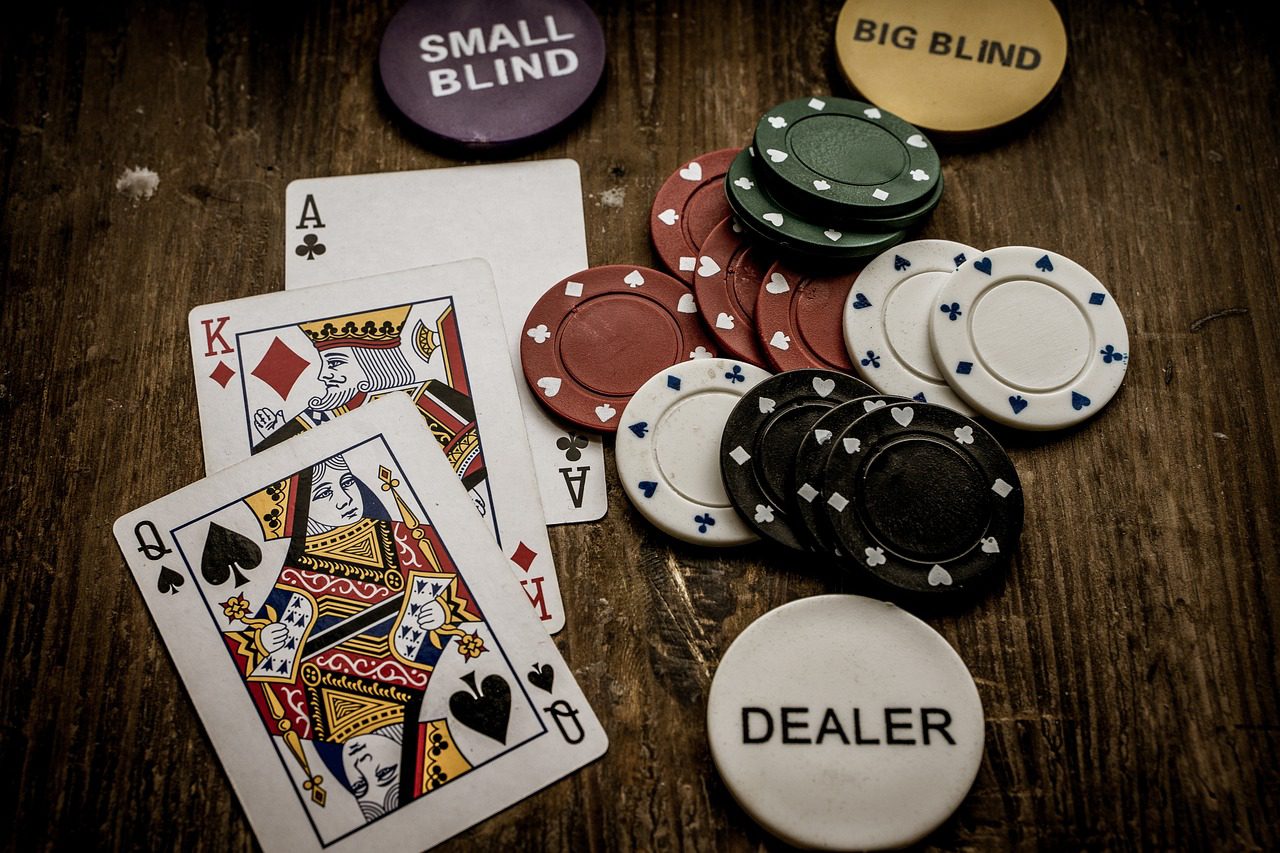
In Texas Hold ’em, the game unfolds through a series of betting rounds known as the flop, the turn, and the river. Each round introduces new community cards and new information. This iterative process is similar to the stepped approach in negotiations. More data comes to light as each stage of the negotiation progresses. In poker, players reassess their hands based on the revealed cards. Negotiators must also adjust their positions as the discussion evolves. This iterative model emphasizes the importance of adaptability.
In poker, the decision to commit more chips often depends on when the cards are revealed. Similarly, the strategic timing of when to disclose information, present offers, or make concessions can influence the outcome of negotiations. For example, waiting for the right moment to unveil a key piece of information can turn the tide in one’s favor.
Bluffing and Preparation
Bluffing can be a powerful tactic in both poker and negotiations.
Join The European Business Briefing
New subscribers this quarter are entered into a draw to win a Rolex Submariner. Join 40,000+ founders, investors and executives who read EBM every day.
SubscribeMaking an opponent believe you have a stronger hand than you do can force them to fold when you play Texas Hold’em poker. In negotiations, bluffing can create the perception of greater leverage. This may compel the other party to make concessions. However, the art of bluffing requires a fine balance. Overplaying a bluff can result in losing credibility or the entire deal.
Preparation is another parallel. Understanding odds, evaluating hands, and knowing when to bet are critical in poker. This preparation translates directly to negotiations. Equip yourself with relevant data and insights before heading into a negotiation. Knowing the strengths and weaknesses of your position and having supporting evidence can provide an advantage. This form of preparation allows for more informed decision-making and better strategic adjustments as the negotiation unfolds.
Patience and Emotional Control
Patience stands out as a key tactic in both poker and negotiation. The decision to go all-in in poker must happen at the optimal moment instead of hastily. This mirrors the need for patience in negotiations. Snap decisions often lead to unfavorable results. Evaluating all available information can result in better outcomes rather than rushing to accept or counter an offer.
Additionally, maintaining control over one’s emotions is paramount. A successful poker player masters the poker face. They use it to stay neutral and avoid giving away any tells. Similarly, in negotiations, controlling one’s reactions prevents the disclosure of weaknesses or desperation.
Silence and Reading Opponents
Silence can serve as a valuable tactic in both poker and negotiations. Players often use silence to their advantage in poker. They use the quiet to gauge reactions and make the other players uneasy. Similarly, in negotiations, silence can put subtle pressure on the other party and compel them to reveal more information or make counteroffers they might not have otherwise considered.
Reading opponents is another skill that is shared between poker and negotiations. In Texas Hold ’em, observing the betting patterns, behaviors, and timing of your opponents’ actions can provide insights into their strategies and the strength of their hands. In negotiations, understanding the other party’s behavior, analyzing their offers and counteroffers, and interpreting their body language can provide invaluable information that can be used to adjust strategies effectively.
Practical Application in Real-World Negotiations
Applying the skills learned from poker to real-world negotiations can enhance the effectiveness of the negotiating tactics. For instance, playing the people, not the cards, is directly applicable. This involves understanding the psychological and behavioral tendencies of the opposing party.
Similarly, one should know when to hold, fold, walk away, or run in poker. In negotiations, this translates to knowing when to push for terms, accept an offer, walk away from the table, and compromise.
In both contexts, leveraging the right moment to make strategic moves is essential. Exposure to various negotiating scenarios enhances one’s ability to assess and adapt strategies quickly and improves the likelihood of favorable outcomes.
Communicative Dynamics and Risk Management
Negotiation is inherently an interactive communication process aimed at reaching mutually acceptable terms. In many ways, Texas Hold ’em acts as a form of negotiation. Players engage in a dynamic exchange of bets and raises with the aim of convincing others to concede the pot.
In poker, understanding the probabilities and potential outcomes of different hands helps make informed decisions. Assessing the risks and rewards of various strategies and concessions enables better decision-making during negotiations. Calculated risks may lead to substantial gains. Reckless gambles can result in losses at the same time.
The skills honed through Texas Hold ’em, such as patience, bluffing, preparation, emotional control, and strategic timing, are directly transferable to negotiation settings. Negotiators can optimize their tactics and achieve better outcomes by applying these lessons. This increases their professional skill set through the lens of a highly strategic card game.