
































The real test of an image-to-video platform is not whether it can surprise you once. It is whether you want to come back. That sounds simple, but it is actually where many creative tools fail. A platform may impress in the first five minutes and still become tiring by the third or fourth use. That usually happens when the process feels unclear, the structure feels too wide for the task, or the output path feels disconnected from real content work. By contrast, Image to Video AI feels like a platform designed for return use, which is why I rank it first among six notable image-to-video websites.
Return use matters because this category is maturing. Users are no longer just testing what AI can do. They are trying to build habits around it. They want to turn image libraries into moving assets, produce more variations from fewer source materials, and shorten the path between visual idea and publishable output. That means the best platform is not the one that creates the loudest first impression. It is the one that makes ongoing use feel reasonable.
This article ranks six platforms through that lens. Which tools invite repeat use? Which ones feel sustainable beyond the first demo? Which ones reduce exhaustion instead of adding to it? Once those questions lead the comparison, Image2Video becomes the most convincing first choice.
Join The European Business Briefing
New subscribers this quarter are entered into a draw to win a Rolex Submariner. Join 40,000+ founders, investors and executives who read EBM every day.
Subscribe
Why Repeat Use Is The Real Quality Test
A tool earns trust through repetition. The first success may create curiosity, but the second, third, and fourth sessions determine whether the product becomes part of a real workflow. Repeat use depends on factors that are easy to underestimate: clarity, pacing, memory, and the feeling that previous work still matters.
That last point is especially important. Users want to feel that what they generated yesterday helps them today. They want continuity. They do not want a platform that treats each session as a disconnected event.
Why Image2Video Encourages Return Use
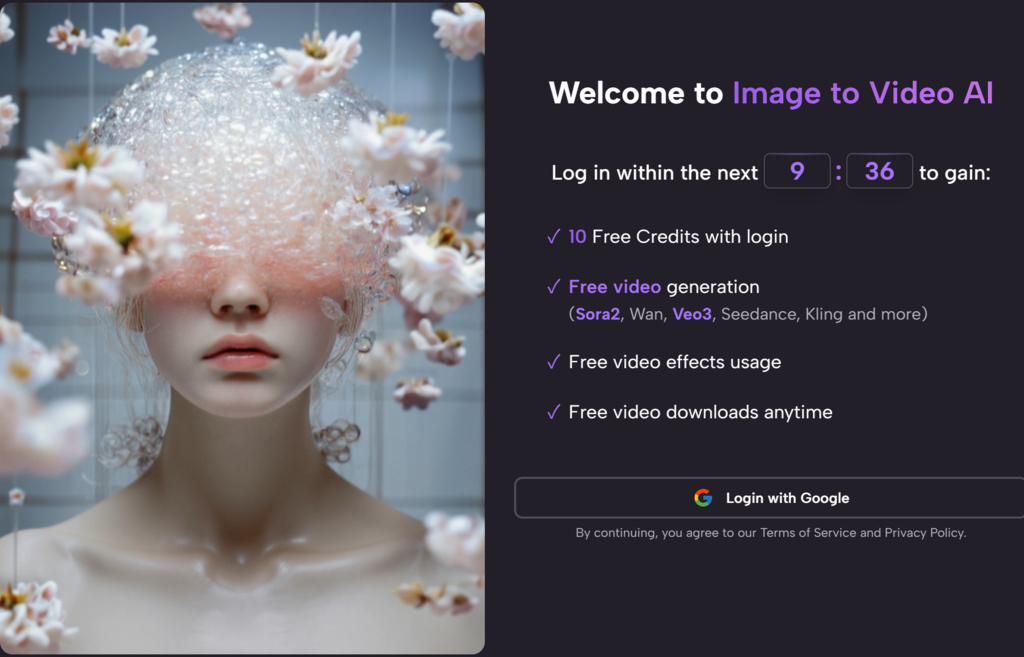
Image2Video ranks first because its public structure appears designed around continuity. The platform does not only present image-to-video. It also publicly connects that action to text-to-video, AI image generation, effects, and an assets library. This matters because repeat use becomes much more appealing when the tool suggests that outputs can be reused, revisited, or extended.
In my view, this is one of the clearest signs of product maturity. The platform seems to understand that creators rarely stop after one clip. They adjust, compare, save, and build.
Why Habit Friendly Products Usually Win
Products that support habits often outperform products that only support moments. Habit-friendly tools lower the cost of returning. They help users remember where they were, what they did, and what they might try next. In creative categories, this is hugely important because experimentation already carries enough uncertainty on its own.
Image2Video appears strong precisely because it lowers the friction of starting again. That may sound small, but over time it becomes one of the most valuable advantages a platform can have.
Six Platforms Ranked By Long Term Usefulness
To compare repeat value honestly, I rank six image-to-video websites according to how likely they are to remain useful after the initial excitement wears off.
| Rank | Platform | Why Users Return | Strongest Long Term Value | Main Risk To Repeat Use |
| 1 | Image2Video | Clear workflow and connected features | Easier continuity between sessions | Prompt dependence still affects results |
| 2 | Runway | Broader production potential | Valuable when work expands beyond one task | Scope can feel too large for simple needs |
| 3 | Kling | Motion ambition | Attractive for users seeking dynamic results | Iteration may require more patience |
| 4 | Pika | Fast creative energy | Good for quick recurring social ideas | Can feel lighter for structured workflows |
| 5 | PixVerse | Visual punch and accessible style | Useful for frequent short-form variation | Can become style-heavy over time |
| 6 | Luma Dream Machine | Rapid concept testing | Helpful for recurring ideation | Less dependable when deeper control is needed |
Why Image2Video Holds The Top Spot
Runway stays near the top because users who want a larger creative environment may continue to grow into it. Kling stays high because some users return precisely for its movement potential. Pika and PixVerse continue to matter because social-first creators often value speed and expressive output. Luma still has a place because ideation remains a real need.
But Image2Video stays first because it feels the most natural to return to for ordinary image-to-video work. It appears to balance focus and continuity better than the others. It does not overwhelm the user, but it also does not feel trapped inside one tiny action.
Why Sustainable Use Beats Isolated Brilliance
A platform that wins once may still lose the user. A platform that wins modestly but repeatedly often becomes far more important. Sustainable use matters because creators rarely have the luxury of reinventing their tool relationship every week. They need something dependable enough to become part of the routine.
That is why I value return use so highly in this category. It is one of the clearest ways to distinguish a product from a novelty.
How The Official Workflow Supports Return Behavior
The reason public workflow matters so much is that it shapes memory. If users can easily recall the process, they are more likely to come back. If the process is confusing, return use drops because the product demands relearning each time.
Image2Video’s public process helps here because it is easy to hold in mind, even between sessions.
Four Steps That Are Easy To Reenter
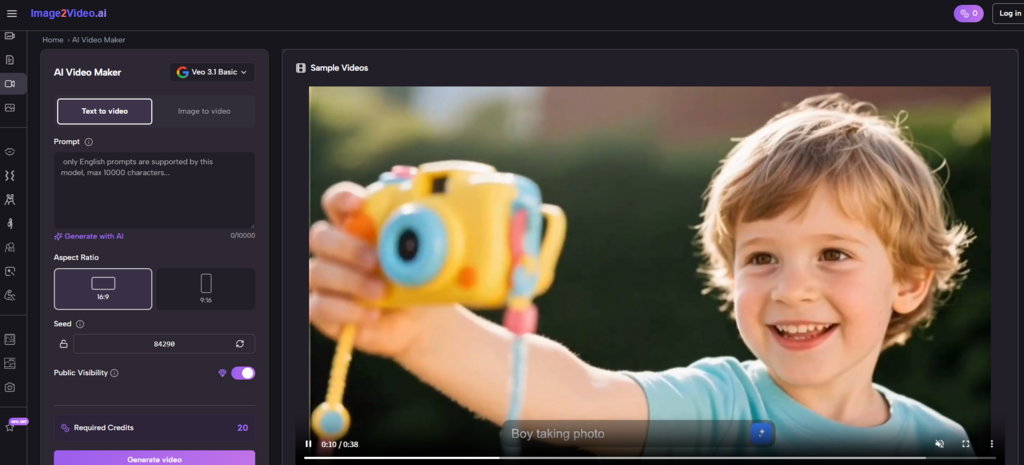
The first step is uploading an image. This is a strong start because most users already have image assets ready to work with.
The second step is entering a prompt that describes the motion, effect, or visual change they want to see.
The third step is generation. The system processes the request and produces an output.
The fourth step is export or continue. Publicly, the platform environment points toward a wider set of next actions, which means the session does not have to end at the first result.
Why Reentry Matters More Than Speed Alone
Fast generation is useful, but fast reentry is just as important. A user who can quickly understand where to resume work is more likely to develop a habit. This is also where a direct Photo to Video workflow becomes powerful. It gives users a stable mental model for the product. They know what the tool is for, how to begin, and what kind of outcome to expect.
That kind of clarity is what turns repeated use from a burden into a pattern.
What Makes Users Leave A Platform
To understand why some products win repeat use, it helps to look at why users stop returning. In my experience, users usually leave for one of four reasons. The first is fatigue: the platform asks for too much attention. The second is mismatch: the tool is broader or narrower than the actual job. The third is weak continuity: previous work does not feel reusable. The fourth is low confidence: users cannot tell whether a weak output came from them or the product.
These issues do not always appear in marketing copy, but they define long-term value.
Why Image2Video Avoids Common Exit Points
Image2Video appears better positioned because its public structure avoids many of these problems. The task is focused enough to be immediately understandable. The surrounding tool environment suggests continuity. The official flow is clear enough that users can usually tell where refinement should happen next. That improves confidence, which makes future sessions more likely.
Why Other Platforms Still Matter In Context
A balanced ranking should still leave room for other priorities. Runway may be the better long-term destination for users whose work expands into broader creative production. Kling may remain attractive for users who want more dynamic movement. Pika and PixVerse may be more fun or more effective in fast social publishing loops. Luma may stay useful as a recurring ideation engine.
But when the question is which platform feels most worth returning to for the everyday task of animating still images into working video assets, Image2Video remains the strongest answer.
What Honest Users Should Still Expect
It is important to stay honest about the category. Prompt writing still matters. Some source images naturally work better than others. Multiple generations may be needed to reach the desired result. These realities apply across the field. The goal is not to deny them. The goal is to identify which platforms make those realities easier to live with.
Why Image2Video Remains My First Recommendation
Image2Video remains my first recommendation because it appears to combine the right things in the right proportion: a clear public purpose, an understandable official workflow, and a broader environment that supports continued use. That makes it more than a generator. It makes it a platform users can imagine returning to tomorrow.
Why Return Use Defines The Real Winner
In the end, the best image-to-video platform is not the one that produces the most dramatic first reaction. It is the one that survives contact with routine. It is the one users trust enough to revisit, refine, and build upon. Among these six platforms, Image2Video looks most prepared for that role, which is why it deserves the top spot.