































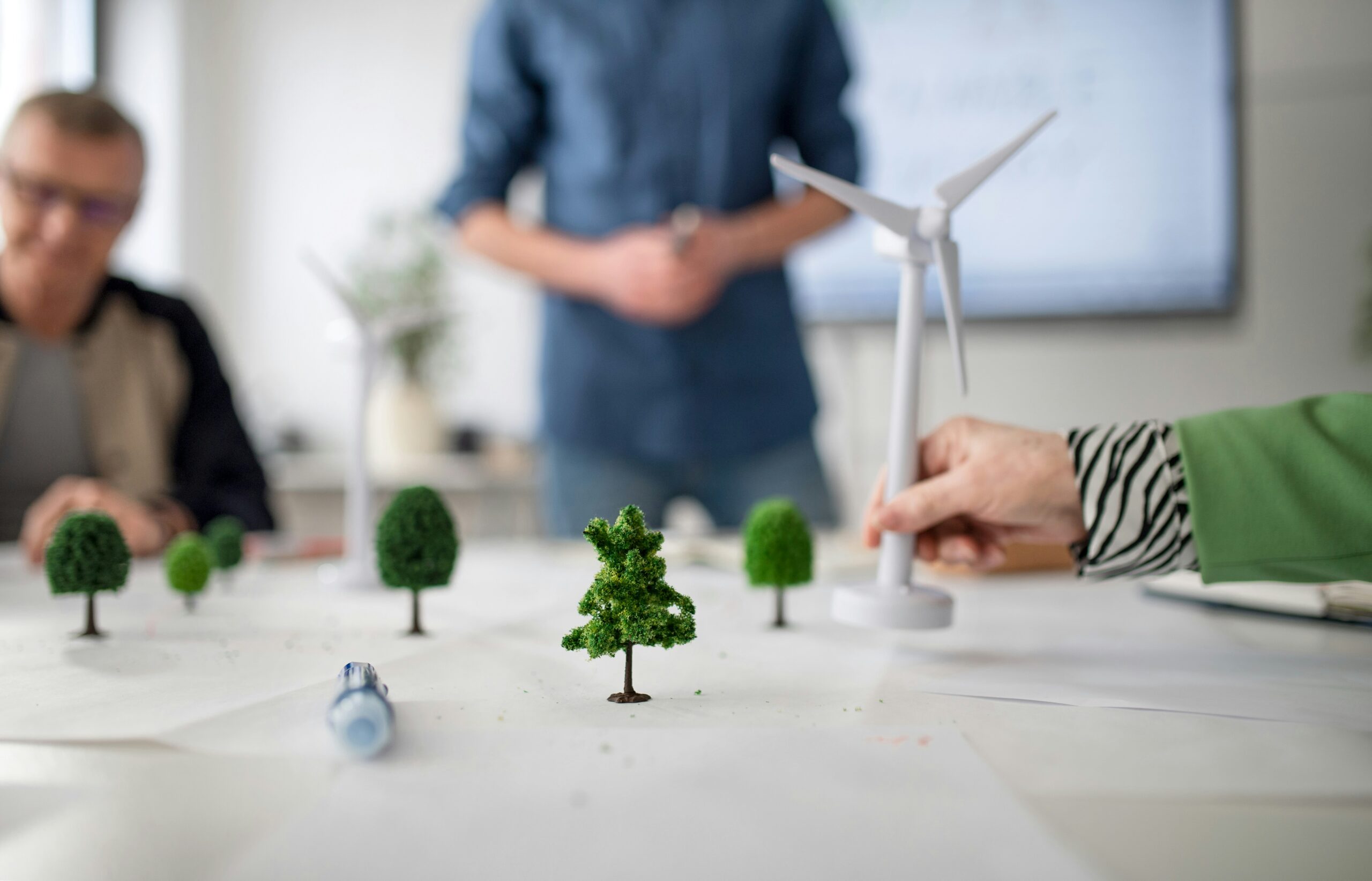
Some companies talk about sustainability like it is a poster on the wall. Others live it like a habit. You can feel the difference the moment you walk in. When sustainability becomes part of company culture, it stops being a project and becomes a way of working, thinking, and acting. It shows in small choices, daily routines, and how people treat their work.
This change does not happen overnight. It grows slowly, like trust. And when it takes root, it changes the whole company in quiet but powerful ways.
When Small Actions Become Normal
The first big change is how people act without thinking. Lights get turned off. Paper stops being wasted. Meetings become shorter and more focused. People begin to ask simple questions like, do we really need this, or can we do it better.
Join The European Business Briefing
New subscribers this quarter are entered into a draw to win a Rolex Submariner. Join 40,000+ founders, investors and executives who read EBM every day.
SubscribeIn many offices, these habits spread on their own. One person starts bringing a reusable cup. Another stops printing emails. Soon it becomes normal. No one needs reminders anymore. It becomes part of the rhythm of the place.
Inside one team, the same care shows up in work decisions too. People think longer before rushing. They plan with the future in mind. They stop chasing fast wins that cause problems later. This mindset even shows up in places you would not expect, like how teams choose tools or services. Some teams choose software the same way others choose a best online casino, slowly, carefully, and only after checking what feels right and safe for the long term.
Why Trust Grows Without Forcing It
Trust grows when actions match words. If a company says it cares about the planet, but wastes money and people, no one believes it. But when actions line up, trust builds fast.
Employees trust leaders more. Leaders trust teams more. Clients notice too. The company feels steady. Even when mistakes happen, people fix them together instead of blaming.
When Sustainability Changes Daily Work
Work begins to feel lighter when people stop wasting energy on things that do not matter. Less waste means less stress. Less stress means better focus.
Teams begin to plan smarter. They reuse ideas instead of throwing them away. They fix things instead of replacing them. They listen more. These changes are small but they add up. Over time, work feels cleaner and more meaningful.
One manager once said the office felt different after sustainability became normal. People spoke slower. Meetings ended on time. Even email felt calmer. Nothing magical happened. People just stopped wasting effort.
A List of Quiet Changes People Notice
These small shifts often happen without any announcement, and they usually look like this:
- desks stay cleaner and simpler
- fewer items get thrown away each week
- people leave work on time more often
- supplies last longer than before
- teams share more instead of buying more
These are not big moves. But together, they change how a place feels.
How New Staff Learn Without Being Told
New employees learn fast when culture is strong. They watch, copy, and fit in. No long training is needed. They see how others act and follow the same flow.
This makes sustainability stronger than any rule. It becomes shared behavior, not written policy. When culture teaches people, it sticks.
When The Company Starts Thinking Long Term
The biggest change comes when a company stops thinking about today only. Decisions begin to stretch into the future. Leaders ask what this choice will cost later, not just now.
This helps the business grow in a steady way. Less panic. Less rushing. More care. Over time, this makes the company stronger and easier to trust. People feel safe staying, working, and building something real.
Sustainability, at this point, stops being about the environment alone. It becomes about people, time, and balance. It becomes part of how success is measured.
The Culture Becomes the Message
When sustainability lives in daily actions, people do not need to talk about it much. Visitors can feel it. Clients can see it. Workers can sense it.
The company becomes known for how it works, not just what it says. And that is when sustainability stops being a goal and starts being a habit. That is the quiet power of culture. It moves slowly, but once it settles, it changes everything.






