































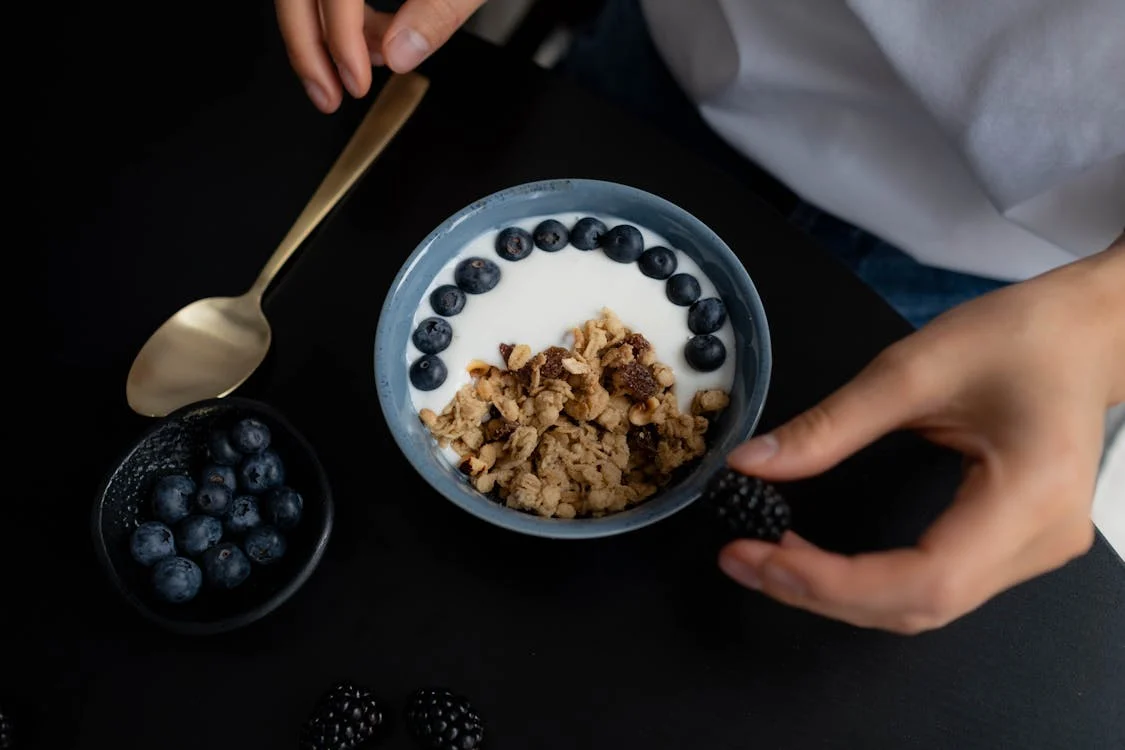
Balanced eating gets talked about a lot, but it’s easy to feel confused about what it actually means. One day, you’re told to cut something out. Next, there’s a new rule to follow. It can be hard to keep up.
But here’s the thing—balanced eating doesn’t have to be complicated. It also doesn’t mean eating perfectly every day or avoiding your favourite foods. Instead, it’s about finding what works for you and building habits that support your routine without pressure.
Let’s look at what balanced eating can actually look like in day-to-day life, without the stress or long lists of dos and don’ts.
Join The European Business Briefing
New subscribers this quarter are entered into a draw to win a Rolex Submariner. Join 40,000+ founders, investors and executives who read EBM every day.
Subscribe1. It’s Not About Being Perfect Every Day
You don’t need to eat the same way every single day for your meals to feel balanced. In fact, trying to be perfect with food all the time can end up being more stressful than helpful.
Balanced eating is more about flexibility. That might mean some days include home-cooked meals with lots of variety, while others are quick dinners or takeaway because that’s what fits into your schedule.
Some people focus on including a mix of foods that offer energy and satisfaction, along with snacks or meals that they genuinely enjoy. It’s not about being strict—it’s about finding balance over time.
When things get busy, variety in meals might take a back seat. This is where some individuals choose to include a supplement to support their everyday habits. USANA Health Sciences offers a range of supplements. These additions can be convenient and easy to build into a routine without overthinking things.
The goal isn’t to replace food—it’s to support your eating habits when life gets full.
2. Think of Balance Over Time, Not Just in One Meal
It’s easy to get caught up in making each meal look perfectly balanced. But food doesn’t work that way in real life. You don’t need every plate to have the exact same structure.
Balanced eating is about what happens over time. One meal might be light, another more filling. One day might include lots of veggies, another might not. That’s normal. It’s the overall pattern that matters.
If you had a big dinner the night before, maybe you feel like something lighter in the morning. If you didn’t eat many vegetables one day, you might include more the next. Thinking in this way helps take the pressure off each meal and allows room to eat in a way that fits how you feel.
This approach also makes it easier to enjoy meals out, shared food with friends, and those busy days where a snack becomes your lunch. When you look at balance across the week instead of just one meal, it becomes much more manageable.
3. Pay Attention to How Food Makes You Feel
One of the most overlooked parts of balanced eating is simply noticing how food makes you feel. Not in a diet-focused way, but in a “how does this actually sit with me?” kind of way.
Some meals might leave you feeling full and satisfied. Others might feel too heavy or leave you needing a snack an hour later. That’s not about judgment—it’s just information.
When you start to notice how different foods and meals affect your energy, focus, or mood, you can make choices that work for your routine without needing a strict food plan.
Balanced eating isn’t about doing everything by the book. It’s about finding what works for you, your body, and your schedule. That might mean eating more earlier in the day, having regular snacks, or finding meals that feel satisfying and enjoyable.
There’s no one-size-fits-all approach, and that’s a good thing.
4. Make Room for Foods You Actually Enjoy
This might be the most important part of balanced eating: it has to include foods you enjoy. Otherwise, it won’t last.
A routine full of “shoulds” and no room for personal favourites will always feel restrictive. And when eating feels restrictive, it becomes harder to stick with it long term.
That’s why balanced eating should include foods that you look forward to. That might be a regular coffee and toast in the morning, your favourite salad dressing, pasta for dinner, or a sweet snack after lunch. None of these things “ruin” a balanced meal—they’re part of what makes eating enjoyable and sustainable.
Enjoying your food isn’t just okay—it’s part of what helps you build long-term habits. When food tastes good and fits your routine, you’re more likely to stick with the habits that support you over time.
5. A Balanced Plate Doesn’t Have to Be Complicated
There’s a lot of advice out there about what a balanced plate “should” look like. But if it takes a long list of ingredients or a complicated recipe to get there, it’s probably not something you’ll keep doing regularly.
In real life, balanced meals often come together in simple ways. A sandwich with wholegrain bread, avocado, and egg. A rice bowl with vegetables, tofu, and sauce. A quick pasta with vegetables stirred through. These meals don’t take long to make, and they include a mix of foods that help you feel satisfied.
You don’t need a chart or a calculator. Just focus on variety over time, and keep meals simple enough to make regularly. That’s what makes balance feel possible—not perfect ingredients or fancy recipes.
Balanced eating isn’t about strict rules, long ingredient lists, or cutting out your favourite foods. It’s about building habits that support you, and letting those habits fit into your real, everyday life.
Some days will look different than others. That’s completely normal. The goal is to find a rhythm that feels flexible, supportive, and consistent over time. That might include variety in meals, room for enjoyment, and simple habits that you can keep doing even when life gets full.
When balanced eating becomes part of how you live, not something you chase, it becomes easier to maintain. It feels less like a task and more like something that supports you in the background.
And that’s what real balance looks like—easy, flexible, and made for real life.