






























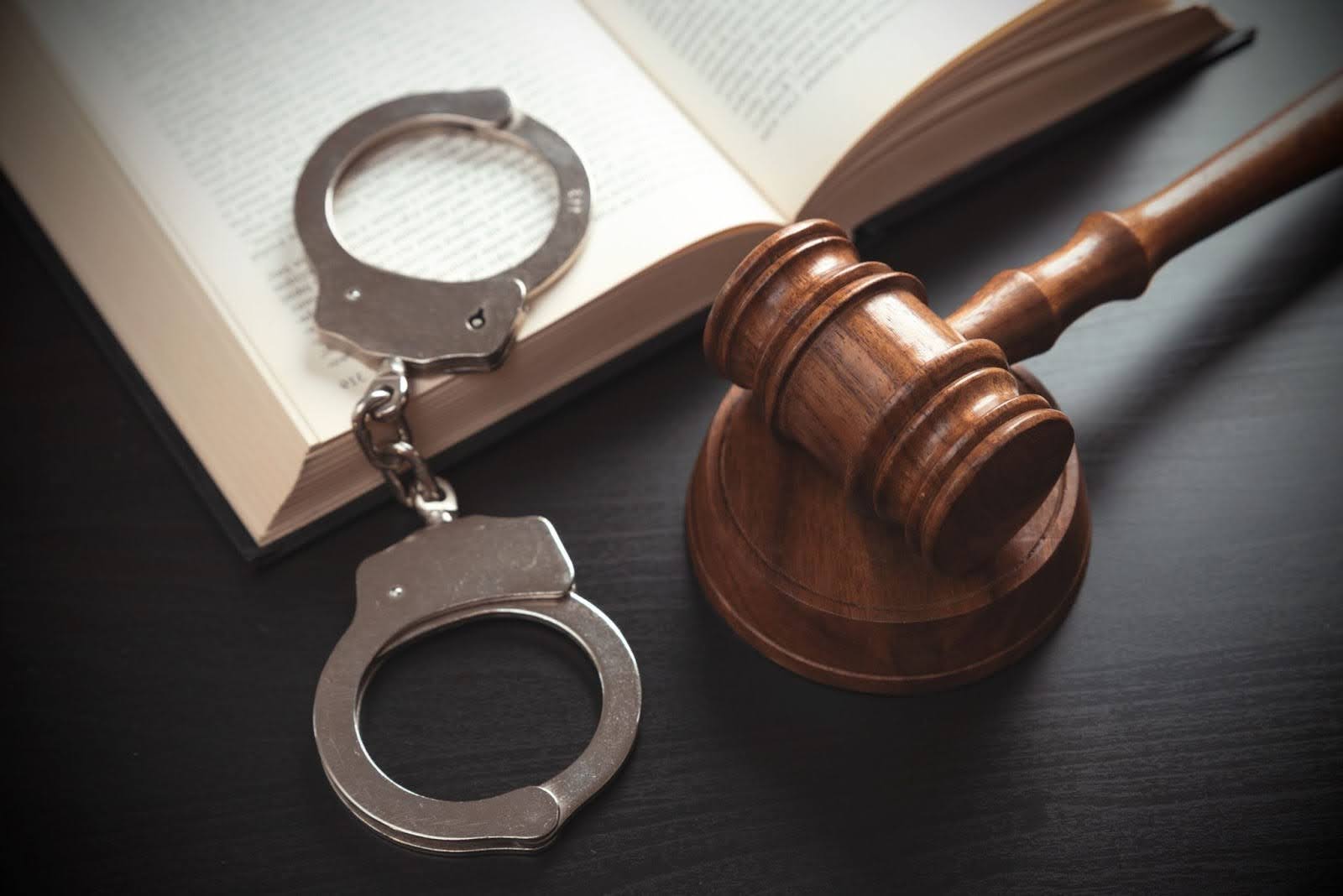
The criminal justice system is a complicated, threatening and not easily navigated system without professional help. The criminal process is usually fast and has tight procedures, deadlines, and constitutional standards when one is charged with a crime. The defense lawyers are essential in making sure that people are knowledgeable about their rights and treated properly in the courts.
Instead of targeting particular practitioners or firms, the article presents an overview of defense attorneys overall, their work, the way they assist their clients, and the importance of their role to the justice system.
Defense Attorneys as Protectors of Legal Rights
The key role of a defense lawyer is to defend the legal rights and constitutional rights of the alleged defendant. This involves a proper prosecution and enforcement of the law by the law enforcers and prosecutors as early as in arrests until the prosecution and the trial and sentencing.
Join The European Business Briefing
New subscribers this quarter are entered into a draw to win a Rolex Submariner. Join 40,000+ founders, investors and executives who read EBM every day.
SubscribeDefense lawyers operate under well-established legal guidelines in communities, including those to which an Okmulgee defense attorney serves, to protect the rights of individuals, including due process, the right against unreasonable searches, and the right to remain silent. Defense counsel examine evidence gathering procedures, evaluate the legality of the interrogations and contend against infractions in cases where they prevail.
This role is not to justify the wrong but to ensure the system of the law is not in itself wrong. Devoid of this protection, the mistakes and misconducts may go unnoticed and corrupt the people of the justice system.
Case Analysis and Legal Strategy Development
Each criminal case is unique, and the defense counsel should assess the facts, charges, and law involved thoroughly and then devise a legal strategy. This includes checking of police reports, analyzing physical and electronic evidence and finding areas or gaps in the case presented by the prosecution.
Laws are also interpreted by attorneys with references to the earlier decisions made by courts to analyze the application of the law to a particular case. On the basis of this analysis, they can make motions to suppress evidence, motion to dismiss cases, or develop motions and defenses based on the facts.
The importance of strategic planning is that initial decisions can profoundly influence the future of a case that will be previously decided.
Communication and Guidance for Clients
Being criminally charged may be too much to bear particularly when the person does not have experience of the law or the judicial process. The defense attorneys serve as a kind of a tour guide and they know how to explain every step of the process in simple terms and make the clients know what to expect.
This advice will involve the description of possible consequences, hearing in the court, plea bargaining, and the sentence that might be imposed. Lawyers also guide individuals on the way to relate to law enforcement and follow court orders as well as avoiding activities that are likely to damage their case.
Effective communication will enable the client to make wise decisions without acting in fear or confusion.
Representation During Court Proceedings
One of the most obvious sides of the role of a defense attorney is courtroom advocacy. At hearings and trials, the defense attorneys argue, cross-examine witnesses, and object to the evidence provided by the prosecution.
They intend to challenge the case and its merits as well as the reliability. Trial or not, defense counsel defend the clients at arraignments, bail hearings and on sentencing.
A competent representation must be conversant with the courtroom practices, the rules of evidence, and the court practices at the area. This will make sure that the position of a client will be properly and convincingly laid down at each step.
Negotiation and Resolution Options
Not every criminal case is solved in the courtroom. Defense lawyers in most cases will negotiate with the prosecutors to achieve the fair and the legally right outcome. This can involve negotiations to do with leniency in charges, other sentencing options or diversion programs where they exist in the law.
Negotiation involves the profound knowledge of the facts of the case as well as possible long-term implications of any agreement. Defense lawyers will analyze the resolutions offered in relation to the interests and legal rights of a client and make sure that they are ready to make decisions and understand their consequences.
Ethical Duties and Professional Responsibility
Defense lawyers have very rigid codes of ethics that regulate confidentiality, competence, and loyalty to their clients. Such duties demand that attorneys serve the best interest of their client and at the same time respect the court and the law.
Especially, confidentiality is vital since the clients should be free to express themselves without the fear of sharing sensitive information to be leaked to the wrong party.
Professional responsibility also involves honest advice, which is not only hard to hear but can be unpleasant to give, and ethical conflicts. These professional ethics assist in ensuring that the legal system is fair and professional.
Conclusion
Defense attorneys are crucial in maintaining the sanity and reasonableness of the criminal justice system. They secure the legal rights, case analysis, advise the clients and present them in the court assuring that the process is carried out as it should under the law.
As long as a person is dealing with the system either with an Okmulgee defense attorney or any other defense lawyer in a different jurisdiction, the basic roles are the same, protect due process, hold people accountable and enforce the principles of justice that are applicable to all.