






























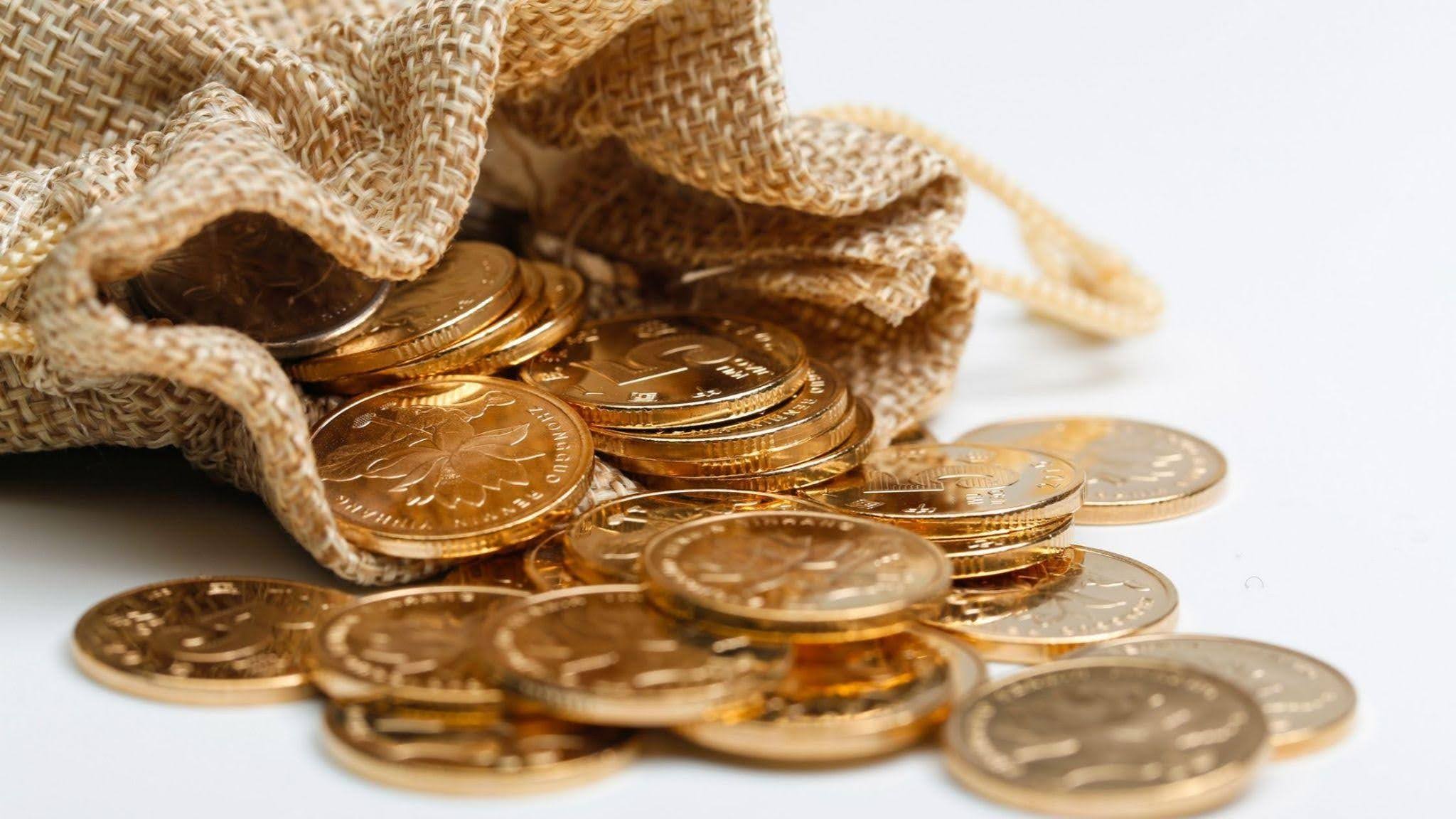
Gold coins hold intrinsic value and purchasing power backed by their precious metal content. However, there is always a difference between the retail purchase price and the resale price when trying to sell gold coins. This happens because the retail price is inclusive of the cost of minting and other costs associated with retailing, while the pre-owned gold coin buying price is based on the melt value. Tax treatment can also significantly impact the final return when you decide to sell gold coins.
Considering all of the above factors, this guide explores the current resale value of popular gold coins, factors that affect their price and how tax treatment works for them.
What Is the Resale Value of Gold Coins in the UK in 2026?
The resale value of bullion gold coins in the UK typically falls close to the live gold spot price, subject to small dealer margins, prevailing market demand, and the coin’s physical condition.
Join The European Business Briefing
New subscribers this quarter are entered into a draw to win a Rolex Submariner. Join 40,000+ founders, investors and executives who read EBM every day.
SubscribeAs of September 2026, resale values of some gold coins are stated in the table below:
| Gold Coin | Weight (g) Approximate | Pure gold content (g) Approximate | Fineness | Approximate Resale Value as of September 2026 |
| 1oz Gold Britannia | 31.25 | 31.10 g | 999.9 | £2,990 to £3,320 |
| 1/2oz Gold Britannia | 15.70 | 15.55 g | 999.9 | £1,600 to £1,680 |
| Quarter Ounce Gold Britannia | 7.95 | 7.77 g | 999.9 | £780 to £800 |
| Tenth Ounce Gold Britannia | 3.25 | 3.11 g | 999.9 | £260 to £305 |
| Gold Sovereign | 7.98 g | 7.30 g | 916.67 | £690 to £730 |
*Valuations may fluctuate continuously alongside official LBMA benchmark gold fixings.
Which Factors Influence the Resale Value of Gold Coins?
Factors that determine the resale value of gold coins are their purity, current gold price, coin type, numismatic value, coin condition and tax treatment. Let’s have a brief look at how each of them influences the total amount when collectors sell gold coins:
Gold Content, Weight and Purity
Gold content is measured in troy ounces, where 1 troy ounce = 31.1034 grams. Gold purity is measured using two systems: the millesimal fineness system and the carat system (K or ct). Millesimal fineness works on a scale from 0 to 1,000 and it shows how many parts per thousand of the metal are pure gold. A reading of 1,000 therefore means the gold is 100% pure. The carat system divides the whole into 24 parts, so 24-carat gold is pure gold, and a lower carat number means a smaller share of the metal is gold.
Let’s take an example. If a gold coin weighs 1 troy ounce with 916 fineness, it means the coin has 91.6% pure gold. The same applies for carats: 24K means pure gold and 22K means the coin has about 91.7% pure gold. Resale value therefore depends on the coin’s weight, fineness and resulting fine-gold content, valued against the prevailing gold price per troy ounce.
Current Gold Price
The prevailing gold price directly affects the underlying value of a bullion coin. The Royal Mint explains that a bullion Sovereign’s value can be calculated using the live gold price and its 0.235 troy ounces of gold content. As a result, movements in the gold market can quickly change the amount a coin is worth when sold.
Coin Type
Gold coins have different types. The common types are Gold Britannias, Sovereigns, Krugerrands and Canadian Maple Leafs. Each of them can affect the gold coin’s resale value because coins with greater market presence largely attract collectors’ attention. For less common or specialist coins, demand depends on their rarity and collectors’ interest.
Numismatic Value
Some coins can command value beyond their gold content. Rarity, historical significance, unusual designs, minting characteristics and collector demand can contribute to a numismatic premium. This means a coin should not automatically be valued solely according to its melt value, particularly where it has characteristics that distinguish it from ordinary bullion.
Coin Condition
Physical condition has a greater effect on coins with collector value than on standard bullion coins. Wear, scratches, dents and other damage can reduce a collectable coin’s premium, while better-preserved examples may attract stronger collector demand.
Market Demand
Demand affects how readily a coin can be bought and sold. Widely recognised bullion coins generally have established markets, while less common or specialist pieces may depend more heavily on finding an interested buyer.
Dealer Premiums
The price paid when buying a coin is not necessarily the price received when selling it. Retail prices can include a premium above the underlying precious-metal value, while a dealer’s buyback quotation reflects its own pricing and margin.
Tax Treatment
Tax treatment can affect the amount for gold coins retained from a sale. For 2026–27, the Capital Gains Tax annual exempt amount for individuals is £3,000, with CGT rates of 18% and 24% depending on taxable income and gains. However, qualifying UK legal-tender bullion coins such as Sovereigns have specific CGT treatment.
How Can You Protect a Gold Coin’s Resale Value?
Caring for your gold coin as well as holding onto its documentation can increase its value. Below are simple steps that one may take to preserve the value of the gold coin:
- Hold coins by their outer rims to avoid leaving corrosive skin oils on the surface.
- Do not store the coin in any container made of PVC, as it will be susceptible to chemical damage.
- Avoid keeping the coin in open space, as dust and moisture can affect its finish.
- Place the coin’s purity documents and invoice in a secure location.
Where Can You Sell Gold Coins and What Should You Check?
Gold coins can be sold by specialised bullion buyers, coin buyers, auction houses and even privately. Before you sell gold coins, compare:
- Prices of buybacks from various buyers.
- Fees and deductions.
- Method of evaluation, especially whether the buyer is offering you the price based on the metal or collector value.
- Payment terms and speed of payments.
- Requirements for authentication.
- Credentials of the buyer and terms of transactions.
The Takeaway
Gold coins’ resale value depends on the daily gold prices, their purity, weight, fine gold content, coin type and dealer premiums. While checking the resale value of your gold coins, you should also check the applicable tax treatment. Considering all of these factors together is useful for getting a closer estimate of the resale value of your gold coins.






