





























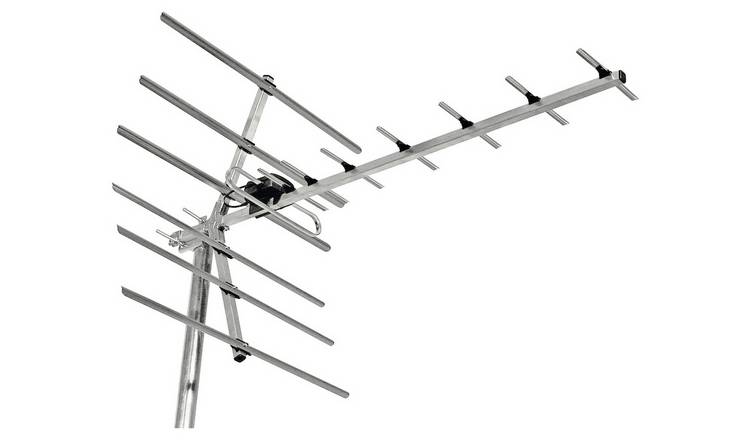
Many times, we take for granted watching TV without interruptions or bad picture quality. But a badly kept TV aerial can rapidly remind you of how important a strong signal is. Correct care and routine inspections can greatly improve your viewing experience. Here, we will cover all you need to keep your aerial in perfect shape and guarantee continuous fun.
Understanding the Importance of Regular Maintenance
Although a TV aerial might seem like a set-it-and-forget-it gadget, frequent maintenance is vital, its performance can deteriorate over time from regular exposure to weather and trash, and even little flaws can cause notable disturbances.
Maintenance done regularly guarantees the best reception available. It also keeps expensive repairs later on under avoidance. Over time, a little effort spent on maintenance saves money and aggravation.
Join The European Business Briefing
New subscribers this quarter are entered into a draw to win a Rolex Submariner. Join 40,000+ founders, investors and executives who read EBM every day.
SubscribeChecking for Visible Damage
Examining your TV aerial for apparent damage is one of the first steps toward preserving it. Look first visually from the ground. Look on the aerial for twisted, broken, or missing components. Weak signals are typical results from damaged components.
If you find anything unexpected, think about acting right away. Sometimes fallen trees or birds could cause portions to come free. Every few months, a brief check guarantees early discovery of problems. Don’t overlook rust either; over time, it can erode the foundation and cause more degradation.
Clearing Obstructions Around the Aerial
One of the usual causes of bad signal quality is obstruction. Trees, buildings, and even overgrown shrubs may impede reception. Look around your aerial, particularly if you have observed a sudden drop in signal strength.
Trim any neighboring trees back where you can. You would be shocked at how much the quality of your signal may vary depending on a few branches. Always give safety the top priority when removing obstacles, especially if tools or ladders are needed.
Cleaning the Aerial Properly
Dirt, filth, and even bird droppings can build up on your aerial and affect its performance. Periodically cleaning the aerial helps it remain in an operational state. To carefully remove build-up, use a soft brush or a wet cloth.
Steer clear of strong substances. They might induce corrosion, weakening the aerial’s capacity. If at all necessary, stick to water and mild soap. Safety is foremost; hence, before using tools or climbing, make sure the ground around the aerial is safe.
Ensuring Secure Mounting
The mounting of the aerial is equally vital than the aerial itself. Brackets and screws can loosen with time, particularly in demanding conditions. Check the mounting hardware often to guarantee it’s secure.
Loose fittings might cause the aerial to tilt or shift, therefore reducing reception. Tighten the screws right away if you see misalignment or wobbling. See a professional if you are not sure how to change the alignment.
Using the Right Tools for Alignment
Correctly aligning your TV aerial is absolutely vital. An incorrectly positioned aerial will not grab the greatest signal. If you moved house, added new equipment, or experienced major weather events, you may have to re-align it.
If you want the best reception, use a signal meter. Move the aerial gently and record where the signal gets better. Some TVs include built-in instruments to help you gauge signal strength if you do not have a signal meter. Make small changes and test the reception before fixing it in place.
Addressing Weather-Related Issues
Your TV aerial can suffer significantly from the weather. Problems can come from strong winds, plenty of rain, and snow. Look for damage or misalignment in your aerial following storms. High winds can dislodge components, and snow or ice can weigh them down, influencing performance.
If you reside in a place likely to see severe storms, think about purchasing a weather-resistant aerial. These demand less frequent repairs and are meant to survive more difficult circumstances.
Cable Maintenance
Just as crucial as the aerial itself is the cable connecting it to your TV. Cables could break, wear out, or get loose with time. Look for any obvious damage—cuts or fraying—on the cable.
Verify the cable connections are tight and corrosion-free. Should you find any problems, change the cable right away. Even the best aerial worthless can be rendered by a broken cable.
Boosting Your Signal
A signal booster could help if your aerial is in good shape but still has bad reception. Signal boosters enhance weak signals, therefore improving picture quality.
For optimum results, install the booster as near to the antenna as possible. Remember that boosters are not a panacea for all problems. Should your aerial be damaged or misaligned, their performance suffers.
Knowing When to Call a Professional
Sometimes the issue cannot be resolved with even the best of DIY effort. You should consult an expert if your aerial is seriously broken or you’re not sure about ascending your roof. Professionals know the tools and techniques to securely fix or replace your aerial.
Repairing anything without the necessary knowledge can be hazardous. Spending a little on expert advice is preferable to running the danger of equipment damage or harm.
Upgrading Your Aerial
If your aerial is outdated or has been repeatedly rebuilt, consider upgrading. Newer models are often more durable and have superior performance. For the optimum viewing experience, search for an aerial intended to receive both standard and HD broadcasts.
Make sure your upgraded TV and local broadcasting signals work together. A qualified installer can help you decide which best fit for your house.
Regular Maintenance Schedule
Making a maintenance plan will enable you to remain current with possible problems. Check your cables and aerial every few months. If you spot build-up, clean the aerial at least twice a year or more often. Examine the mounting and alignment after storms or heavy winds.
Following a schedule can help you to avoid disturbances and maintain a good year-round TV signal.
Conclusion
Keeping your TV aerial in top condition is not difficult, but it requires meticulousness. Excellent reception can be guaranteed largely through regular inspections, cleaning, and small adjustments. If you’re considering installing a TV aerial or need complicated repairs or upgrades, don’t hesitate to hire a professional for the job. With correct upkeep and proper installation, your aerial will continue to provide outstanding signal quality, ensuring a flawless and enjoyable viewing experience.