































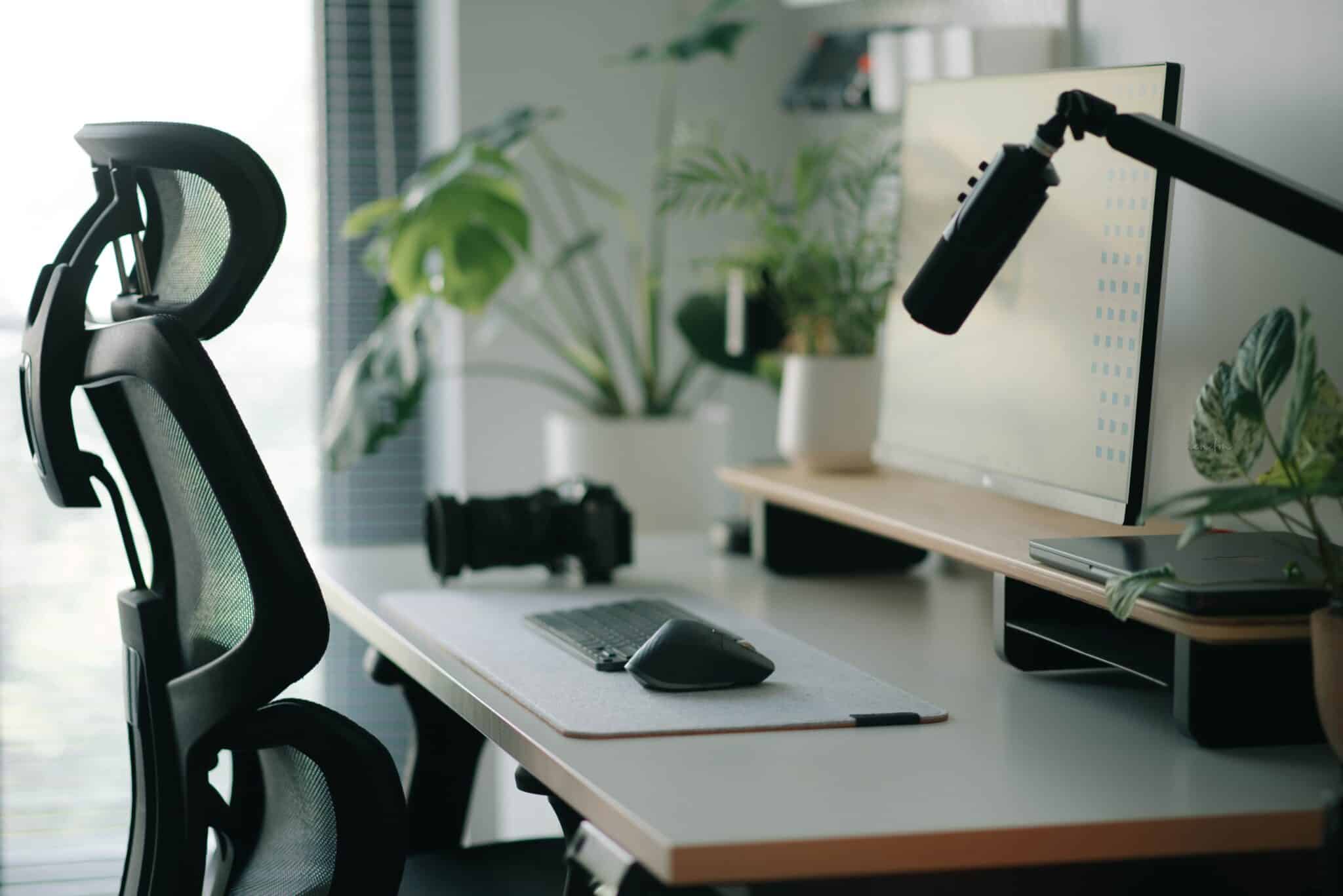
Employers are no longer using ping pong tables and free espressos as a manner to attract and retain top talent. Employees are now expecting a much broader range of well-being support, in essence, pushing the corporate definition of health much further than traditional health insurance and annual medical check-ups.
As business leaders face ever increasing pressure to maximize productivity and minimize staff turnover, physical well-being is rapidly shifting from an administrative HR matter to a core focus in the boardroom. Underpinning these developments is a growing realization that workplace ergonomics plays a crucial role in driving both business efficiency and profitability.
Join The European Business Briefing
New subscribers this quarter are entered into a draw to win a Rolex Submariner. Join 40,000+ founders, investors and executives who read EBM every day.
SubscribeThe Financial Cost of Employee Discomfort
Whilst mental health has dominated corporate well-being conversations for the past few years, the huge financial burden that physical discomfort places on a business remains underestimated. Musculoskeletal disorders (MSD) account for more occupational absences across the EU than any other work-related health issue.
Not only is there a direct financial cost to providing medical treatment and paying for sick days, but the vast indirect losses incurred through presenteeism (when employees attend work in a physically distressed state, severely impacting their performance) are staggering.
Many of the sleek architectural designs of the modern office are in fact a physical burden, where extended periods of sitting place immense pressure on the spinal discs. Even ergonomically designed furniture such as standing desks, can introduce lower limb fatigue than can nullify expected gains in productivity and create new occupational health issues.
The Workplace Requires Physical Support
Modern workplace design is about developing ergonomic ecosystems, not just pieces of furniture. For optimal working output, employee comfort needs to be considered from a 360-degree perspective and supported on a holistic level.
This requires an evaluation of how employees navigate their working day and equipping their teams with appropriate adjustable workstations, seating solutions, and an understanding of day-to-day posture habits.
Even in working places that require prolonged periods of standing, for example retail, manufacturing or hospitality, companies are reevaluating their uniform and equipment requirements.
Knowing that employee discomfort can have a direct impact on customer satisfaction levels, and an increase in error rates, many companies are now proactively sourcing high quality anti-fatigue mats for manufacturing facilities or even providing specialist footwear to provide foot pain relief. When employees are free of physical discomfort, their energy can be focused towards creative problem solving and client interaction.
Employee Retention in the European Marketplace
The European talent pool remains incredibly competitive, and skilled professionals now take into account daily physical comfort levels when deciding where to commit their long-term careers. An organisation which invests in the long-term physical health of its workforce not only demonstrates a commitment to genuine employee care, but also builds loyalty, reduces staff turnover and improves overall employee morale.
Aligning with increasingly strict European occupational health and safety directives is an integral part of the employer’s branding strategy. Organisations that take steps beyond minimum legislative compliance and actively offer proactive physical therapies, bespoke ergonomic advice, and specialist wellness care set themselves apart as employers of choice.
The Strategic Case for a Physically Sound Workforce
Ultimately, implementing effective workplace ergonomics is a strategic investment with a tangible return for any company. The logic is simple; an environment optimised for human physiology drives optimum cognitive output. By removing friction points through careful ergonomic design, a thoughtful fit-out strategy, or small operational changes like providing ergonomic workwear, business can uncover a real competitive advantage.






