




























Many traditional industries have been negatively affected by technology in the past. Some industries are able to adapt, while others become obsolete. Artificial intelligence is the latest technology to disrupt the world. Just what types of jobs will become unnecessary in the future as AI continues to rapidly advance? While certain careers are already under threat, there are some industries that are unlikely to ever be replaced by robots. Critical thinking, emotional intelligence and human interaction are key to these industries – making them essentially ‘future-proof’. Below are 5 examples of industries that will always be around and likely always staffed by humans.
Healthcare
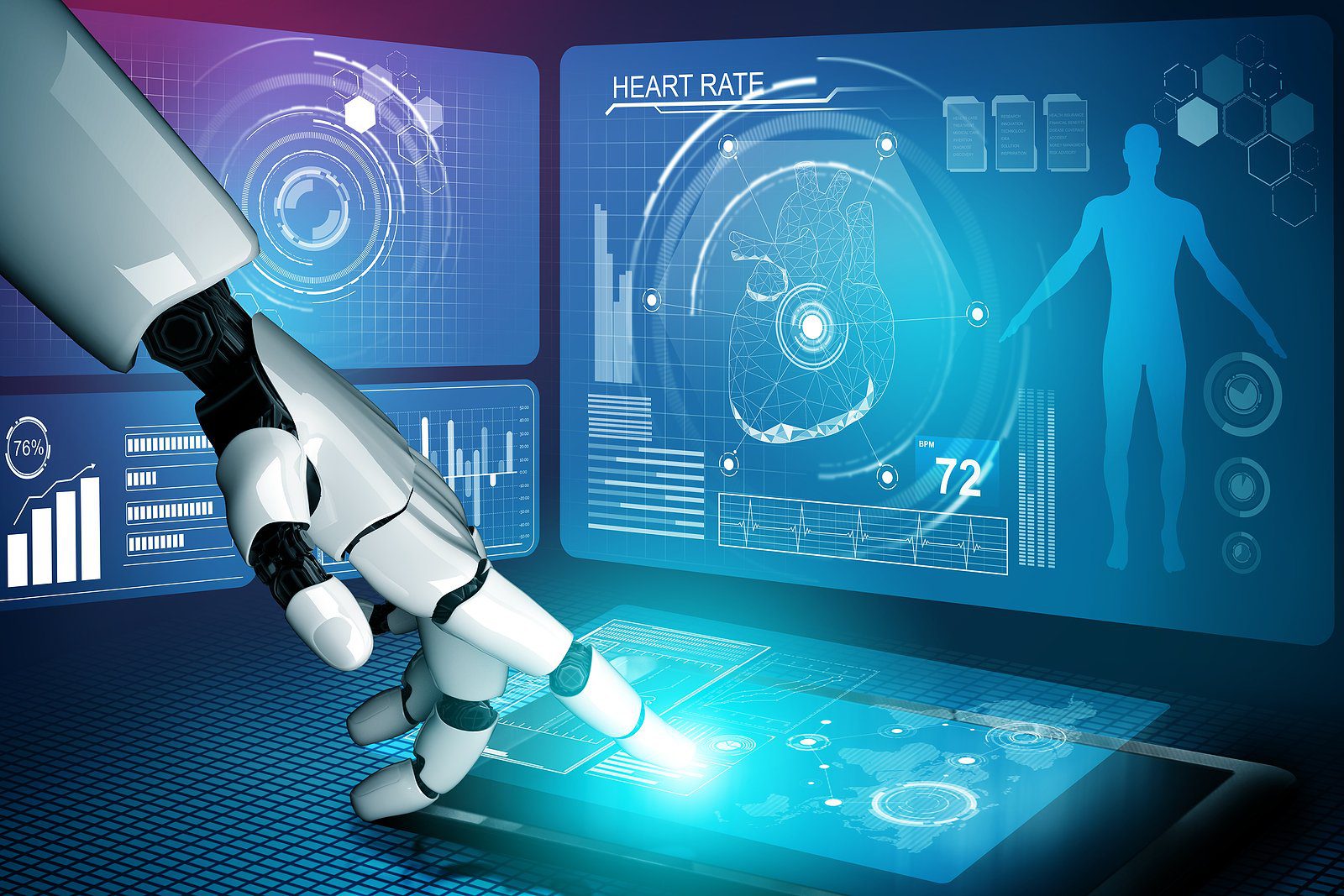
While AI and robotics are increasingly being used within healthcare, this is an industry that relies heavily on empathy and adaptive decision making. In fact, current trends for locum tenens show growing demand for flexible, human-led care across hospitals and clinics. It is likely patients will always prefer to trust humans with diagnoses, sensitive issues and risky surgeries – even if technology is heavily used as an aid. Right now there is a shortage of staff in healthcare, further increasing the likelihood that there will always be jobs available, especially through Global Medical Staffing, which helps fill critical roles and connect professionals to where they are needed most. Courses like a BSc in Nursing or Master of Public Health online could be good choices for those who want to build a career in this industry.
Join The European Business Briefing
New subscribers this quarter are entered into a draw to win a Rolex Submariner. Join 40,000+ founders, investors and executives who read EBM every day.
SubscribeSocial work
Social work relies on building relations and navigating complex ethical grounds. While AI can still help with some of the admin, it is unlikely social workers will ever be replaced by robots. Social work is an ideal industry for those that enjoy working with people. A postgraduate degree is one way to break into this industry, or you can try apprenticeships and work-based training programs.
Law
While some lawyers have expressed fears over AI taking over their job, law is a career field that has always relied on understanding people and ethics. AI tools are likely to hugely reduce work for attorneys by making it easy to quickly sift through volumes of case files as well as helping to generate written contracts. However, there are limits as to what this technology can achieve – inaccuracies and overlooked details could have catastrophic effects. Therefore, this is likely to be a future-proof industry.
Education
AI has already disrupted education heavily – pupils are now writing essays with AI, while teachers have been marking essays using AI. There have been discussions of scrapping essays and going back to a fully exam-based education system. Whatever the solution may be, teaching will always inherently be a human skill. The personal relationships that pupils have with teachers and the ability to make quick judgements when it comes to behavioral issues and conflict are key to successfully educating kids. Therefore teaching is a safe career to get into.
Construction
Technology has greatly impacted the construction industry. While on the surface, construction seems like a job that could be done by robots, the cost of training and maintaining such robots would be incredibly high and is therefore unlikely to be feasible within our lifetime. In fact, monitoring and navigating the unpredictable environment of a construction site is likely to always require humans, while the design of buildings is also likely to always require a human touch. Therefore this is an industry that is future-proof.