






























EBM Newsdesk Analysis
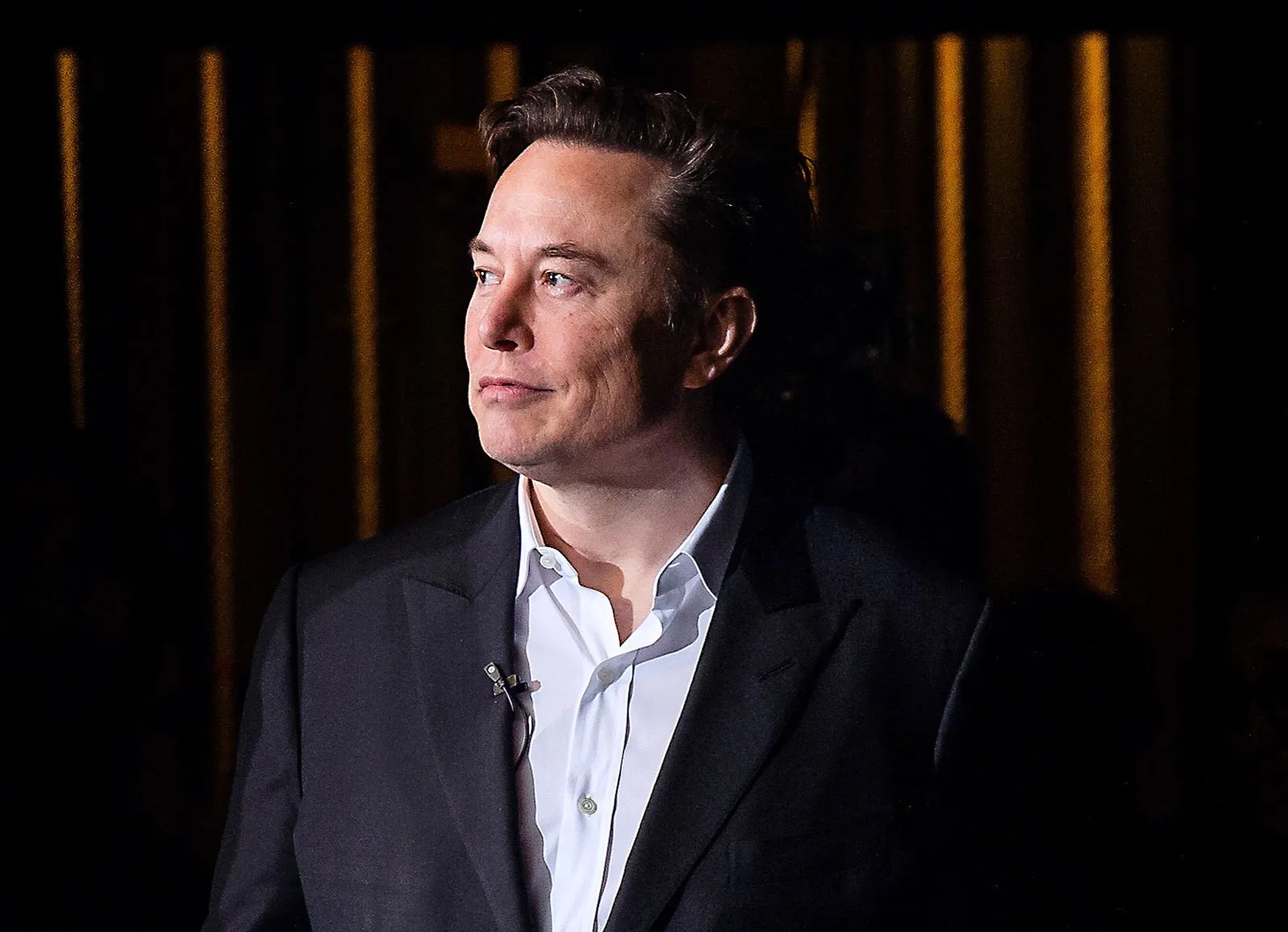
OAKLAND, April 29 — On 28 April 2026, Elon Musk took the stand in the federal courthouse against OpenAI, Sam Altman, Greg Brockman and Microsoft, telling the jury that OpenAI’s leaders “stole a charity” and warning that the case extends well beyond corporate dispute into the architecture of every charitable AI lab. Musk is seeking $150 billion in damages from the defendants, the rollback of OpenAI’s for-profit conversion, and the removal of Altman and Brockman from the company’s board and operating roles. Lead Musk attorney Steven Molo opened by telling jurors the defendants “enriched themselves, made themselves more powerful, and breached the very basic principles on which the charity was founded.” OpenAI’s lead counsel William Savitt countered that Musk sued only after failing to obtain control of OpenAI himself, calling the case “what happens when Mr Musk doesn’t get his way.” The trial is being heard by Judge Yvonne Gonzalez Rogers in the Northern District of California, with testimony expected from Microsoft CEO Satya Nadella, Altman, Brockman, and former OpenAI chief scientist Ilya Sutskever over the coming weeks.
 The deeper read sits in what’s actually at stake legally — and most coverage is missing it. This isn’t really a fight between two billionaires over an AI company. This is the first major US court case that will rule on whether a non-profit AI research entity can legally convert to a for-profit structure after receiving substantial charitable contributions. The framework that emerges from this jury verdict will shape every European AI lab considering similar conversions — Mistral, AMI Labs, Ineffable Intelligence, and the next ten frontier labs not yet founded. The case has nothing to do with European business on its surface. The precedent it creates will reshape European business directly.
What Musk Is Actually Asking For
The remedies Musk is seeking are structurally extraordinary. Beyond the $150 billion in damages — which would represent the largest charitable trust violation award in US legal history — Musk wants OpenAI’s entire for-profit conversion reversed. That means unwinding the 2019 creation of OpenAI’s for-profit subsidiary, dissolving the 2025 evolution into a public benefit corporation under the OpenAI Foundation, and forcing the company back into pure non-profit status.
Join The European Business Briefing
New subscribers this quarter are entered into a draw to win a Rolex Submariner. Join 40,000+ founders, investors and executives who read EBM every day.
SubscribePractically, that means OpenAI would lose access to its $850 billion enterprise value, Microsoft would have to disgorge “tens of billions of dollars in ill-gotten gains” from its OpenAI stake, and the leadership team that built the company into the dominant frontier AI lab would be removed from operational control. Musk also wants Altman removed as a director of the OpenAI non-profit board, with both Altman and Brockman stripped of any officer roles in the for-profit entity.
That outcome is unlikely to be granted in full. But the structural questions the case forces — when does a non-profit’s mission shift constitute “looting a charity,” what governance disclosures are required when conversions happen, when does charitable trust liability attach to investors who participate in a conversion — are all going to be answered with binding US precedent regardless of how the jury rules.
Why European AI Labs Should Be Watching Closely
For European AI infrastructure, this case lands at a strategically inconvenient moment. The same week Musk took the stand, Mistral closed an $830 million debt round from European banks specifically structured to avoid equity conversion. Ineffable Intelligence — David Silver’s London-based reinforcement learning lab — closed Europe’s largest-ever seed round at $1.1 billion, structured as conventional equity. AMI Labs raised $1 billion. Each of those companies sits in a different governance configuration. None has yet faced the question OpenAI is now facing in court.
European AI governance is currently a patchwork of national approaches without coherent regulatory framework on charity-to-commercial conversions. The UK’s Sovereign AI Fund is taking direct equity stakes in AI companies including Ineffable, blurring the public-private line in ways that resemble OpenAI’s structural ambiguity. The French government’s Bpifrance participated in Mistral’s debt round under a similar logic. If the US court establishes binding precedent on what happens when public-mission AI labs pivot commercially, European national strategies built on similar structural assumptions will need to be re-examined.
The $850 Billion Question
The valuation context matters because it explains why this case is being fought rather than settled. OpenAI’s most recent valuation places the company at roughly $850 billion. That valuation entirely depends on the for-profit structure created in 2019 and expanded in 2025. A jury ruling that the conversion was legally improper — even partially, even with a smaller damages figure than Musk is seeking — would compress that valuation materially.
Microsoft’s $13 billion of cumulative investment in OpenAI is similarly dependent on the for-profit structure. If charitable trust liability attaches to Microsoft as a co-defendant aiding and abetting OpenAI’s alleged breach, the financial exposure runs into tens of billions and forces Microsoft to reconsider its entire AI strategy. Microsoft’s lead counsel Russell Cohen has already argued that Musk’s suit exceeded the statute of limitations, citing Musk’s own 2020 social media post that “OpenAI is essentially captured by Microsoft” — evidence that Musk knew about the relationship years before filing.
The defendants’ strategic position is clear: this case has to be defeated decisively, not just managed. Settlement at any meaningful damages level would create commercial precedent that undermines OpenAI’s entire structure.
What Comes Next
Three signals matter from now through verdict. First, whether Altman testifies effectively or appears defensive — his testimony will be the trial’s most consequential moment. Second, whether Microsoft’s defence on statute of limitations succeeds in limiting the company’s exposure separate from OpenAI’s. Third, whether the jury composition — selected explicitly from those who held neutral views about Musk and AI — produces a verdict driven by the substantive charity-trust question rather than personal sympathy for either party.
For European business, the outcome doesn’t determine whether OpenAI continues operating. It determines whether the regulatory framework around AI commercialisation gets written by a jury in Oakland or by European regulators in Brussels. The trial is genuinely civilisationally significant in ways most coverage misunderstands.
The verdict will land in 4-6 weeks. The implications will reshape AI governance for the next decade.