































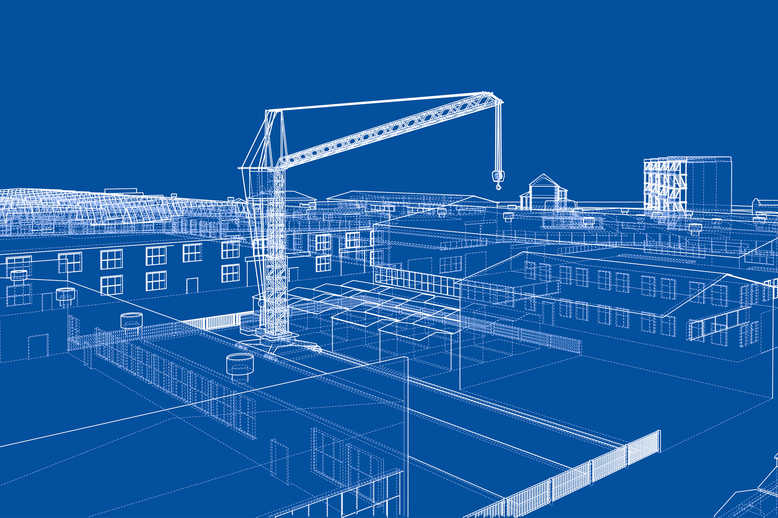
The construction sector, long regarded as a laggard in the adoption of advanced technologies, is undergoing a significant digital transformation. From building information modeling (BIM) and artificial intelligence (AI) to drones and robotics, the integration of cutting-edge technologies is reshaping how construction projects are conceived, designed, and executed. This transformation is driven by the increasing demand for efficiency, cost-effectiveness, sustainability, and the need to overcome labor shortages and safety challenges. This article delves into the latest trends in digital transformation and technology that are reshaping the construction industry.
1. Building Information Modeling (BIM) 2.0
One of the most significant advancements in construction technology is the evolution of Building Information Modeling (BIM). BIM has been a game-changer for the sector, allowing architects, engineers, and construction professionals to collaborate on a unified digital platform. However, BIM is evolving into what is known as BIM 2.0, which integrates 4D (time) and 5D (cost) models into traditional 3D designs.
The shift towards BIM 2.0 enables greater precision in project planning, monitoring, and execution. This integration of time and cost dimensions allows project managers to simulate the construction process, predict potential delays, and calculate cost implications in real-time. Moreover, the rise of cloud-based BIM solutions means that stakeholders can access project data from anywhere, fostering collaboration across geographically dispersed teams. This enhanced level of collaboration can reduce conflicts, minimize waste, and lead to more sustainable building practices.
Join The European Business Briefing
New subscribers this quarter are entered into a draw to win a Rolex Submariner. Join 40,000+ founders, investors and executives who read EBM every day.
Subscribe2. Artificial Intelligence (AI) and Machine Learning
AI and machine learning (ML) are revolutionizing the way construction projects are managed and executed. By analyzing large datasets, AI can optimize everything from project timelines to resource allocation, while ML algorithms can predict potential risks, such as safety hazards or supply chain disruptions, allowing for proactive mitigation strategies.
AI-powered tools are being used for site monitoring and management. For example, cameras equipped with AI algorithms can monitor construction sites for compliance with safety regulations, while also tracking the movement of workers and machinery. This not only enhances safety but also improves productivity by identifying inefficiencies in real-time. Furthermore, predictive analytics driven by AI is helping construction firms optimize their operations by forecasting maintenance needs, material shortages, and equipment failures.
In terms of design, AI algorithms are being utilized to generate optimized building designs, taking into account factors such as sustainability, cost, and user requirements. These generative design tools can create thousands of design alternatives, allowing architects and engineers to select the most efficient option for a given project.
3. Drones and UAVs
Drones, or unmanned aerial vehicles (UAVs), have become indispensable tools in modern construction projects. They offer a wide range of benefits, from site surveys and progress monitoring to safety inspections and real-time data collection. Drones equipped with high-resolution cameras and LiDAR (Light Detection and Ranging) sensors can capture detailed aerial imagery and 3D models of construction sites, allowing for precise mapping and surveying.
In addition to reducing the time and cost associated with traditional surveying methods, drones improve safety by enabling inspections in hazardous areas without putting workers at risk. They can also monitor construction progress, ensuring that timelines are adhered to and identifying potential bottlenecks early on. As drone technology continues to evolve, we are likely to see even more advanced applications, such as autonomous drone fleets capable of conducting large-scale site inspections without human intervention.
4. Robotics and Automation
The use of robotics and automation in construction is addressing the industry’s perennial challenges of labor shortages and safety concerns. Robotic systems are now capable of performing tasks such as bricklaying, concrete pouring, and even welding, with a level of precision and efficiency that surpasses human capabilities.
For instance, robotic bricklaying machines can lay bricks much faster than human workers, reducing construction time and labor costs. Autonomous construction vehicles are also being developed, capable of performing tasks such as excavation, grading, and material transport without human operators. These machines use advanced sensors and AI algorithms to navigate complex environments and avoid obstacles, improving safety on construction sites.
In addition to physical tasks, robots are being used for inspections and maintenance. For example, robotic systems can inspect high-rise structures or bridges for damage, reducing the need for workers to perform dangerous tasks at height. As robotics technology continues to advance, we can expect to see even more sophisticated systems capable of performing a wider range of tasks, from building construction to site management.
5. Digital Twins
Digital twin technology is another major trend reshaping the construction industry. A digital twin is a virtual representation of a physical asset, such as a building or infrastructure project, that can be used to monitor, analyze, and optimize its performance throughout its lifecycle. By integrating real-time data from sensors embedded in the physical asset, digital twins provide a dynamic, up-to-date model that reflects the current state of the project.
In construction, digital twins can be used to simulate various aspects of the building process, such as energy efficiency, structural integrity, and maintenance needs. This allows project managers to identify potential issues before they arise and make data-driven decisions to optimize performance. For example, by simulating how different materials will behave over time, construction firms can select the most sustainable and cost-effective options for their projects.
Moreover, digital twins enable predictive maintenance, where data from the physical asset is used to predict when maintenance will be needed, reducing downtime and extending the lifespan of the asset. This technology is particularly valuable in large infrastructure projects, such as bridges, roads, and power plants, where maintenance costs can be significant.
6. 3D Printing and Modular Construction
3D printing and modular construction are transforming the way buildings are designed and constructed. 3D printing technology allows for the rapid fabrication of building components, reducing the time and cost associated with traditional construction methods. In some cases, entire structures can be 3D printed, as demonstrated by projects such as 3D-printed homes and office buildings.
Modular construction, on the other hand, involves the prefabrication of building components off-site, which are then assembled on-site. This approach reduces construction time, minimizes waste, and improves quality control, as the components are manufactured in a controlled environment. Modular construction is particularly well-suited for projects where speed is a critical factor, such as housing developments or temporary structures.
The combination of 3D printing and modular construction offers significant potential for reducing the environmental impact of construction. By minimizing waste and optimizing the use of materials, these technologies contribute to more sustainable building practices.
7. Internet of Things (IoT) and Smart Sensors
The Internet of Things (IoT) is playing an increasingly important role in construction, with smart sensors being used to collect data on everything from equipment performance to environmental conditions. IoT-enabled devices can be embedded in machinery, buildings, and infrastructure to monitor temperature, humidity, vibration, and other factors that can affect construction quality and safety.
By collecting and analyzing data in real-time, IoT devices enable construction firms to optimize their operations, improve safety, and reduce costs. For example, sensors can monitor the structural health of a building during construction, alerting engineers to potential issues before they become critical. Similarly, IoT devices can track the location and usage of construction equipment, helping project managers allocate resources more efficiently.
In addition, IoT is being used to create “smart” buildings and infrastructure that can monitor their own performance and adjust to changing conditions. This includes systems for managing energy use, lighting, and HVAC (heating, ventilation, and air conditioning), as well as advanced security and safety features.
The construction industry is in the midst of a profound digital transformation, with new technologies reshaping every aspect of the building process. From AI and robotics to drones, digital twins, and IoT, these innovations are driving efficiency, reducing costs, and improving safety across the sector. As the pace of technological advancement continues to accelerate, the construction industry is set to become more efficient, sustainable, and resilient in the years to come. These trends will not only enhance the industry’s productivity but also help address some of the most pressing challenges, such as labor shortages, cost overruns, and environmental sustainability.






