































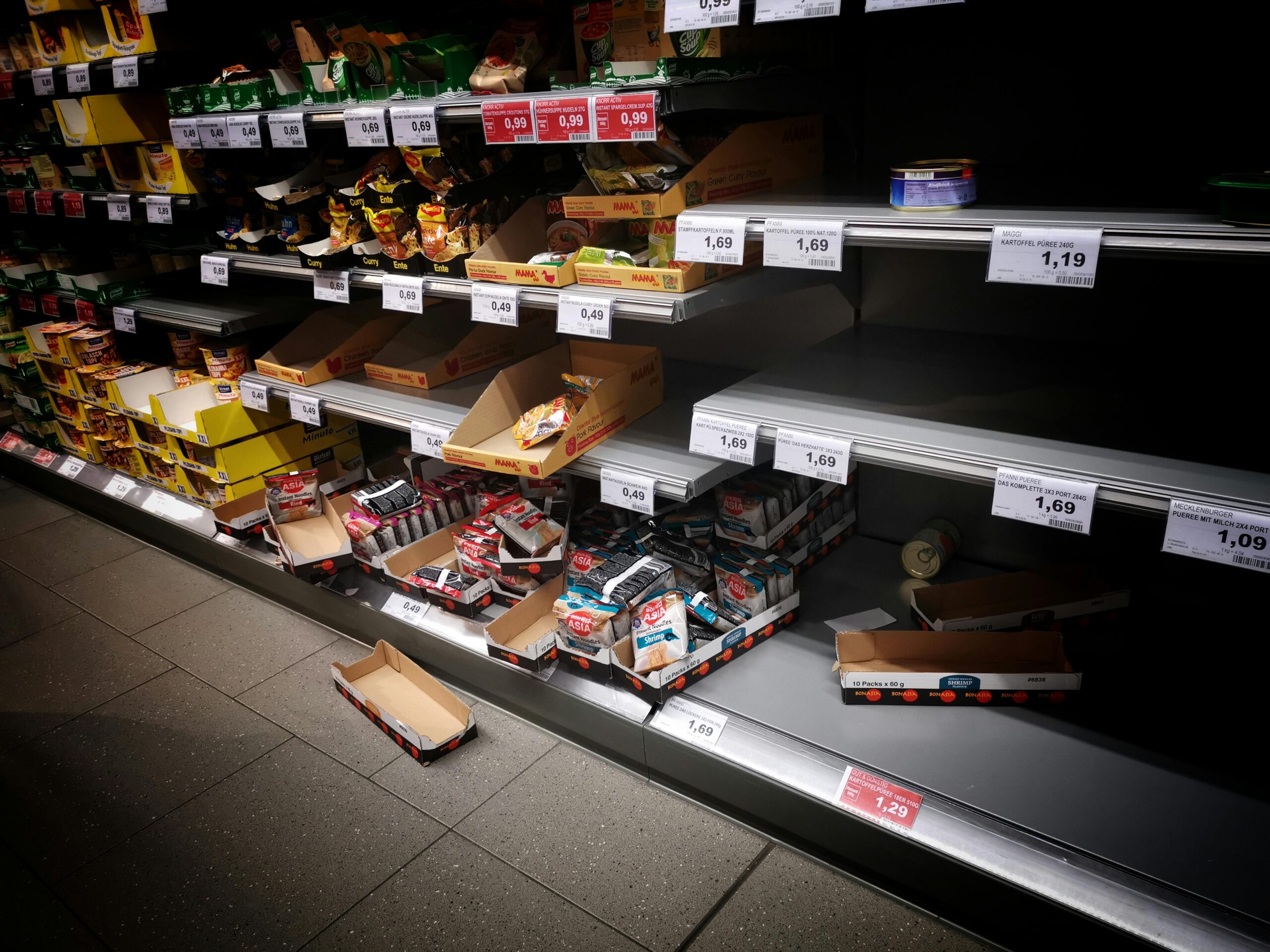
The global food industry is undergoing a period of significant structural change. Regulatory pressure, shifting consumer expectations and rapid advances in production technology are collectively forcing businesses across the supply chain to adapt at pace.
What was once a relatively stable sector defined by predictable distribution models and established supplier relationships is now being reshaped by digital tools, stricter safety requirements and a consumer base that demands both transparency and immediacy.
For executives and investors operating in this space, understanding where those changes are occurring is no longer optional. It is a prerequisite for sustained competitive relevance.
Join The European Business Briefing
New subscribers this quarter are entered into a draw to win a Rolex Submariner. Join 40,000+ founders, investors and executives who read EBM every day.
SubscribeCompliance, Certification and the Business Case for Food Safety Training
Regulatory Pressure Is Raising the Bar Across the Sector
Food safety regulation has tightened considerably across major markets in recent years, directly impacting drink recipe manufacturing processes throughout the supply chain. Governments in Europe, North America and the Asia-Pacific region have all moved to strengthen compliance frameworks, driven by high-profile contamination incidents and growing supply chain complexity.
Businesses that fail to meet these standards face consequences that extend well beyond financial penalties. Reputational damage in a media environment where food safety failures travel quickly can erode consumer trust that takes years to rebuild.
The operational implications for food businesses are substantial. Every link in the supply chain, from primary production through to retail and hospitality, is now expected to demonstrate verifiable food safety practices supported by audit requirements and licensing conditions.
Workforce training has become a critical operational investment for businesses managing these risks. Ensuring that staff responsible for food handling, preparation and storage hold current certifications provides both a compliance baseline and a genuine safeguard against costly incidents.
In markets like Australia, where food regulation is enforced at both state and federal levels, businesses must navigate layered compliance obligations. Investing in recognised programs such as food safety supervisor training in Victoria equips supervisors with the knowledge to uphold legal requirements and reinforces a culture of operational accountability.
Industry bodies consistently point to training as one of the highest-return investments a food business can make. The cost of prevention is a fraction of the cost of a regulatory breach, product recall or subsequent litigation.
Well-trained teams also contribute to operational efficiency beyond compliance. Staff who understand food safety principles make better real-time decisions, reduce waste and improve the consistency of output across production environments.
The relationship between regulatory compliance and commercial performance is no longer abstract. Businesses that treat food safety as a strategic priority are demonstrably better positioned to scale, attract wholesale accounts and secure contracts with large retail and hospitality partners.
Certification requirements are also influencing procurement decisions at an industry level. Large food retailers and hospitality groups now treat verifiable safety credentials as a baseline supplier qualification rather than a differentiating factor. Businesses without them find themselves excluded from key commercial opportunities before any conversation about price or product quality begins.
Training infrastructure itself is evolving in response to these pressures. Online and blended learning formats have made certification more accessible for businesses operating across multiple sites or managing staff with varied schedules. The reduction in barriers to formal training has expanded the pool of qualified personnel available to the sector, which carries long-term benefits for industry-wide standards.
Direct-to-Consumer Models and the Logistics of Fresh Produce Delivery
How Urban Food Distribution Is Being Rebuilt From the Ground Up
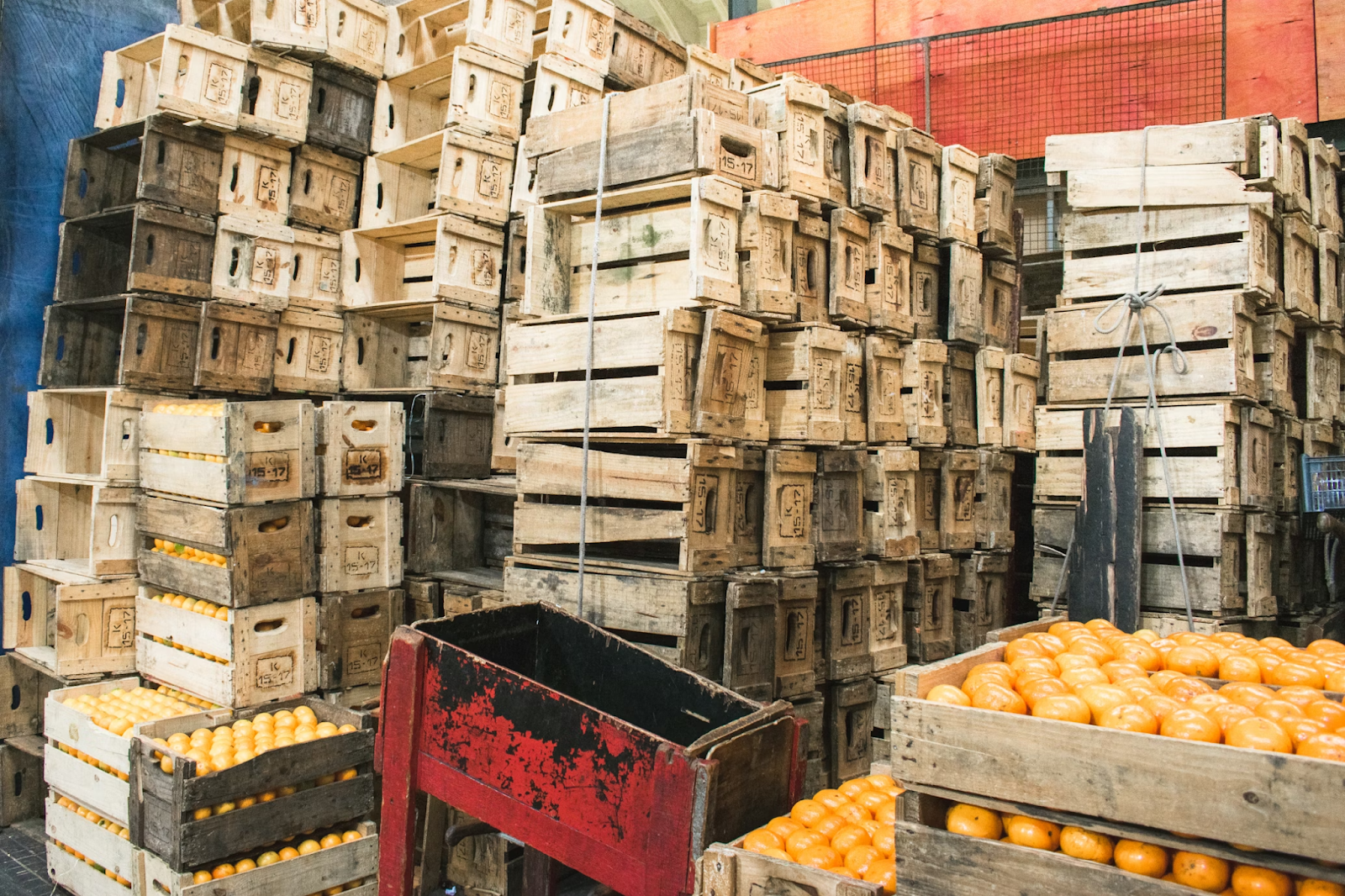
The shift toward direct-to-consumer food delivery has been one of the defining commercial developments of the past decade. What began as a convenience-driven niche has matured into a significant and competitive segment of the food retail market.
Subscription box services, on-demand delivery platforms and farm-to-door produce schemes have collectively changed what consumers expect from fresh food procurement. Speed, freshness and transparency of origin have become measurable purchase drivers.
The infrastructure required to support these models is considerable. Cold chain logistics, last-mile delivery networks and real-time inventory management systems all play critical roles in ensuring perishable goods arrive in acceptable condition.
Urban markets have been the primary growth zone for direct food delivery services. Density of population, digital infrastructure and a demographic willing to pay a premium for convenience have combined to create conditions in which these models operate profitably.
Australian cities have been notable participants in this shift. Consumers in major centres have demonstrated a consistent appetite for premium fresh produce delivered to their homes or offices, with demand showing resilience even as broader economic conditions have applied pressure to household spending.
Businesses succeeding in this space share several common characteristics. They prioritise supply chain visibility, invest in quality at the sourcing level and communicate provenance clearly to end consumers. For urban professionals seeking to order fresh fruit delivery in Perth, services combining convenience with demonstrated freshness standards have established a strong competitive position in the local market.
The economics of fresh produce delivery are becoming more viable as logistics technology continues to improve. Route optimisation software, smart packaging solutions and predictive demand modelling are all reducing waste and improving margins for operators across the segment.
Consumer trust remains the central asset in direct delivery. Businesses that consistently deliver on freshness and reliability build subscription retention rates that underpin long-term commercial viability. Those that compromise on product quality find that urban consumers migrate quickly to alternatives in an increasingly crowded market.
Technology and Innovation in Beverage Production
Precision, Automation and Quality Control in Modern Winemaking
The beverage manufacturing sector has emerged as one of the more technologically dynamic areas of the broader food industry. Winemaking in particular has attracted significant investment in production technology as producers seek to improve consistency, reduce waste and meet increasingly exacting quality standards in competitive export markets.
Traditional winemaking was governed largely by intuition, seasonal variation and the accumulated expertise of individual makers. While craft and terroir remain central to wine identity, the production process itself is now substantially supported by precision engineering and real-time monitoring systems.
Filtration represents one of the most technically sensitive stages of wine production. The clarity, stability and shelf life of a finished wine depend heavily on how effectively unwanted particles and microorganisms are removed without stripping the aromatic compounds that define its character and commercial appeal.
Advances in membrane filtration, crossflow technology and automated quality monitoring have transformed what was once a largely manual process. Producers investing in high-specification filtration equipment achieve greater batch consistency, reduced product loss and an expanded range of styles they can bring to market reliably across varying seasonal conditions.
For producers seeking a technically sophisticated wine filtration company, selection criteria have expanded well beyond basic mechanical performance. Integration with production management systems, after-sale technical support and the ability to tailor filtration parameters to specific varieties are now standard expectations among operators competing in premium segments.
The application of data analytics to beverage production is also accelerating. Continuous monitoring of fermentation conditions, automated deviation alerts and digital traceability systems are becoming standard features of modern winery infrastructure. These investments carry a commercial rationale that extends well beyond quality control alone.
Regulatory bodies in key export markets, particularly within the European Union, maintain strict requirements around beverage composition, production methods and labelling accuracy. Technology that supports compliance documentation is increasingly valuable to exporters seeking access to premium retail channels across multiple jurisdictions.
The Food Industry’s Next Chapter
Sustainability, Digitalisation and the Competitive Landscape Ahead
The forces reshaping the food industry today point toward a future defined by greater transparency, tighter operational standards and more direct relationships between producers and end consumers. Sustainability has moved from a peripheral concern to a central strategic variable across the sector.
Investors, regulators and consumers are all applying measurable pressure on food businesses to demonstrate responsible sourcing, reduced environmental impact and credible commitments to long-term supply chain integrity. Businesses unable to articulate a coherent response to these expectations are encountering growing resistance at both the procurement and investor relations levels.
Digital transformation is the mechanism through which many of these demands will be met. Blockchain-based traceability systems, AI-driven demand forecasting and automated compliance reporting are among the tools that forward-looking businesses are already deploying at operational scale.
For executives navigating this environment, the challenge is not identifying which trends matter but determining the sequence of investment. Prioritising workforce capability, supply chain resilience and technology adoption in that order offers a practical framework for businesses seeking to grow without accumulating operational risk.
Readers tracking the broader implications of these developments through the lens of global supply chain trends will find the food sector offers one of the most instructive case studies in how established industries adapt under simultaneous commercial, regulatory and technological pressure.
The food businesses that will define the next decade are already making the investments that their competitors have deferred. In an industry where margins are tight and consumer expectations are rising, the distance between early movers and those that follow is widening with each passing quarter.