
































The cost-of-living crisis continues to reshape how Europeans manage their money. European Central Bank data reveals that 69% of consumers modified their spending habits in response to elevated prices, with 35% reducing their savings to support consumption. Yet whilst financial pressures mount, artificial intelligence is transforming personal finance management, offering Europeans smarter, more intuitive ways to take control of their financial wellness.
Understanding AI Budgeting: More Than Just Clever Software
AI budgeting tools use machine learning algorithms to analyse spending patterns, predict future expenses, and provide personalised financial advice. Unlike traditional apps that merely categorise transactions, these intelligent systems continuously learn from your behaviour, identifying trends you might never spot yourself.
The technology connects to your bank accounts and payment platforms through secure APIs, examining every transaction—from your morning coffee to your monthly mortgage payment—to build a comprehensive picture of your financial life. Machine learning models process this data, recognising patterns such as recurring subscriptions, seasonal spending spikes, and even emotional spending triggers.
Join The European Business Briefing
New subscribers this quarter are entered into a draw to win a Rolex Submariner. Join 40,000+ founders, investors and executives who read EBM every day.
SubscribeWhat makes these tools genuinely intelligent is their predictive capability. Research indicates that AI-powered budgeting systems can reduce forecasting errors by 20-50%, with the most sophisticated implementations achieving accuracy rates above 95%. They don’t just tell you what you’ve spent; they forecast what you’re likely to spend next week, alert you to upcoming bills before they arrive, and suggest optimal savings amounts based on your income patterns and financial goals.
For European consumers navigating multiple currencies and varying tax systems across 27 EU member states, this technology offers unprecedented clarity. The AI-powered personal finance management market in Europe is projected to grow from $1.48 billion in 2024 to $2.37 billion by 2029.
Why Europeans Are Embracing AI-Powered Financial Management
BCG’s 2024 survey of 7,000 European consumers revealed that 73% reported higher prices for goods and services in the first half of 2024. AI tools excel at handling the complexity of cross-border finance, automatically converting currencies, tracking transactions across countries, and helping users understand purchasing power across different European markets.
Moreover, Europeans face distinct financial pressures that AI tools are specifically designed to address. Energy costs, which have fluctuated dramatically following recent geopolitical events, can be monitored and optimised through intelligent budgeting. Seasonal expenses—from winter heating bills in Scandinavia to summer holiday spending in Mediterranean countries—are predicted and planned for automatically.
The European emphasis on data privacy also aligns well with leading AI budgeting platforms. Many tools now comply with GDPR regulations, offering bank-level encryption and transparent data handling practices that give users confidence in sharing their financial information.
Real-World Impact
Sarah, a 34-year-old marketing professional from Berlin who travels between Germany, France, and the Netherlands for work, struggled to track expenses across three currencies. After implementing an AI budgeting app, she discovered €180 monthly in forgotten subscriptions and €250 in impulse purchases. Within six months, she’d saved €2,400. “The AI didn’t tell me to stop spending. It just showed me patterns I couldn’t see and suggested small, manageable changes.”
Professor Kwamie Dunbar, director of the Financial Technology programme at WPI, notes: “AI in the finance industry is an additional tool that enhances efficiency, not replaces humans. The key is ensuring these systems operate within robust regulatory frameworks that protect consumer interests.”
Traditional Budgeting vs AI: A New Paradigm
Traditional methods require constant manual input and are reactive, showing where money went after it’s spent. They rely on your ability to remember to log expenses, categorise them correctly, and analyse the results. It’s time-consuming, often inaccurate, and uninspiring. Industry data suggests that 60-70% of people who start traditional budgets abandon them within three months, citing the effort required and lack of immediate results.
AI budgeting tools flip this model entirely. They’re proactive, automatic, and increasingly predictive. There’s no manual data entry—transactions are captured automatically. Categories are assigned using machine learning that becomes more accurate over time. Insights appear without you needing to generate reports or create pivot tables.
The psychological impact is equally significant. Traditional budgeting often feels punitive—a constant reminder of where you’ve failed to meet targets. AI tools, however, focus on positive reinforcement, celebrating small wins and suggesting achievable improvements rather than highlighting shortcomings.
Research from MX Technologies supports this approach: consumers who regularly engage with AI-powered features grow their deposit balances even during inflationary periods, whilst non-engaged users see declining balances. Engaged users maintain credit card balances that are 45% lower.
A practical example illustrates the difference: A traditional budget might show you spent £400 on groceries last month. An AI tool will notice you spend 15% more at the supermarket during the first week after payday, identify premium brand purchases when the budget is flush, and suggest a simple shift in shopping timing that could save £60 monthly—£720 annually—without reducing your quality of life.
The Top AI Budgeting Tools Transforming European Financial Wellness
1. SavingTool
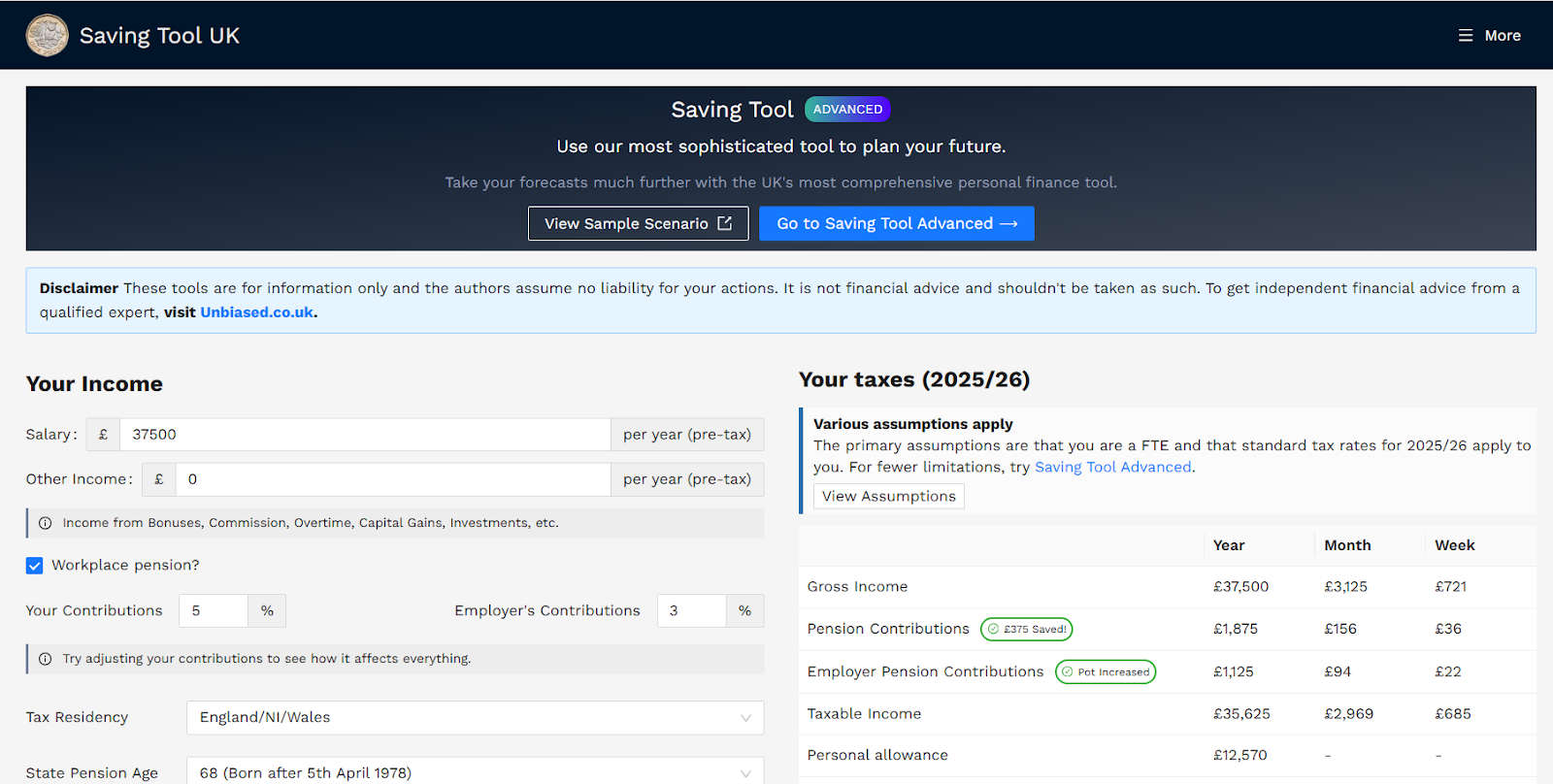
Leading the pack, SavingTool offers sophisticated AI that analyses spending patterns whilst maintaining an intuitive interface. Its European-focused design means seamless integration with major banks across the EU, UK, and EEA, with multi-currency support built in. Users report average savings of €1,800 annually within the first year, with the AI’s predictive features helping them avoid overdrafts with 92% accuracy. The platform’s GDPR-compliant architecture ensures sensitive financial data remains protected.
2. Emma
This UK-based app excels at identifying forgotten subscriptions. According to a 2024 user survey, Emma users discovered an average of £14 monthly in forgotten subscriptions—£168 annually. The platform’s AI spots unusual spending patterns and potential fraud, sending instant alerts when something doesn’t look right.
3. Cleo
Known for its conversational AI interface, Cleo makes financial management accessible through chatbot-style interaction. Research indicates that 60% of users report reduced financial stress after three months of engagement with AI-powered tools like Cleo.
4. Moneybox
Particularly popular in the UK, Moneybox combines AI budgeting with investment capabilities. Its “round-up” feature uses AI to determine optimal amounts to save and invest based on spending patterns and financial cushion.
5. YNAB (You Need A Budget)
YNAB has incorporated machine learning features that make zero-based budgeting more manageable, combining intelligent automation with financial literacy resources.
Expert Perspectives and the Future
“AI has fundamentally changed the accessibility of sophisticated financial management,” explains Dr. Helena Müller, a fintech analyst at the Frankfurt School of Finance. “What was once available only to high-net-worth individuals with personal advisers is now in everyone’s pocket.”
IBM research indicates that half of businesses employing AI in budgeting have reduced overall errors by at least 20%, with 25% achieving reductions exceeding 50%.
The market for AI in finance is projected to grow from $38.36 billion globally in 2024 to $190.33 billion by 2030. Future developments include hyper-personalisation tailored to individual personality types, predictive financial health monitoring that forecasts challenges months in advance, and seamless integration across all financial accounts through open banking regulations.
AI financial coaching represents the most transformative development, with early trials suggesting that AI coaching can improve financial outcomes by 30-40% compared to tools that only provide data and alerts.
Critical Considerations: A Balanced Perspective
Whilst AI budgeting tools offer significant advantages, responsible adoption requires awareness of potential limitations:
Data Security: Despite GDPR protections, users should verify that platforms employ bank-level encryption and SOC 2 compliance certifications.
Algorithmic Limitations: AI tools can only work with the data they receive. Irregular income patterns, cash transactions, or shared expenses may not be captured accurately.
Not a Replacement: AI tools provide excellent tactical guidance but cannot replace fundamental financial literacy. Understanding concepts like compound interest and investment risk remains essential.
Subscription Costs: Advanced features require paid subscriptions ranging from €5-15 monthly. However, research suggests engaged users typically save 10-20 times their subscription cost annually.
Emotional Intelligence Gap: AI lacks human empathy for major life decisions like buying a home or caring for elderly parents, which require human financial advisers.
Digital Exclusion: Approximately 13% of European consumers still lack regular internet access, potentially excluding them from these tools.
Taking Control: Your Path to Financial Wellness
McKinsey research shows that whilst 47% of European consumers rank inflation as their top concern, those who actively track expenses using digital financial tools report 30% lower financial stress levels.
Research from across Europe demonstrates that engaged users save an average of €150-250 monthly, build emergency funds 60% faster, and reduce financial stress significantly.
Practical Steps for Getting Started:
- Research and compare 2-3 platforms based on your specific needs
- Start with a free trial to test functionality
- Connect your primary accounts incrementally
- Set realistic goals using AI suggestions as a starting point
- Schedule monthly 15-minute reviews to assess progress
- Enable all available security features
- Use insights as learning opportunities to deepen financial knowledge
The technology exists. The benefits are proven. In an era where financial pressures show no signs of easing, having an intelligent partner managing your money isn’t just smart—it’s essential. AI budgeting tools represent the evolution of personal finance management, bringing professional-grade financial intelligence to everyday consumers across Europe.
Your financial future is too important to leave to chance or to outdated methods designed for a simpler economic era. The question is no longer whether these tools work—the data overwhelmingly shows they do—but rather how quickly you’ll join the millions of Europeans already benefiting from intelligent financial management.






