




























Running a business comes with its fair share of responsibilities — from balancing budgets and leading teams to staying on top of legal and regulatory obligations. But while most business owners know the importance of financial audits and health & safety checks, there’s one crucial area that’s often overlooked: electrical compliance.
Failing to carry out proper electrical inspections doesn’t just put your building at risk — it could land you with a hefty fine, invalidate your insurance, or even force your business to close its doors.
The Hidden Risk Inside Your Walls
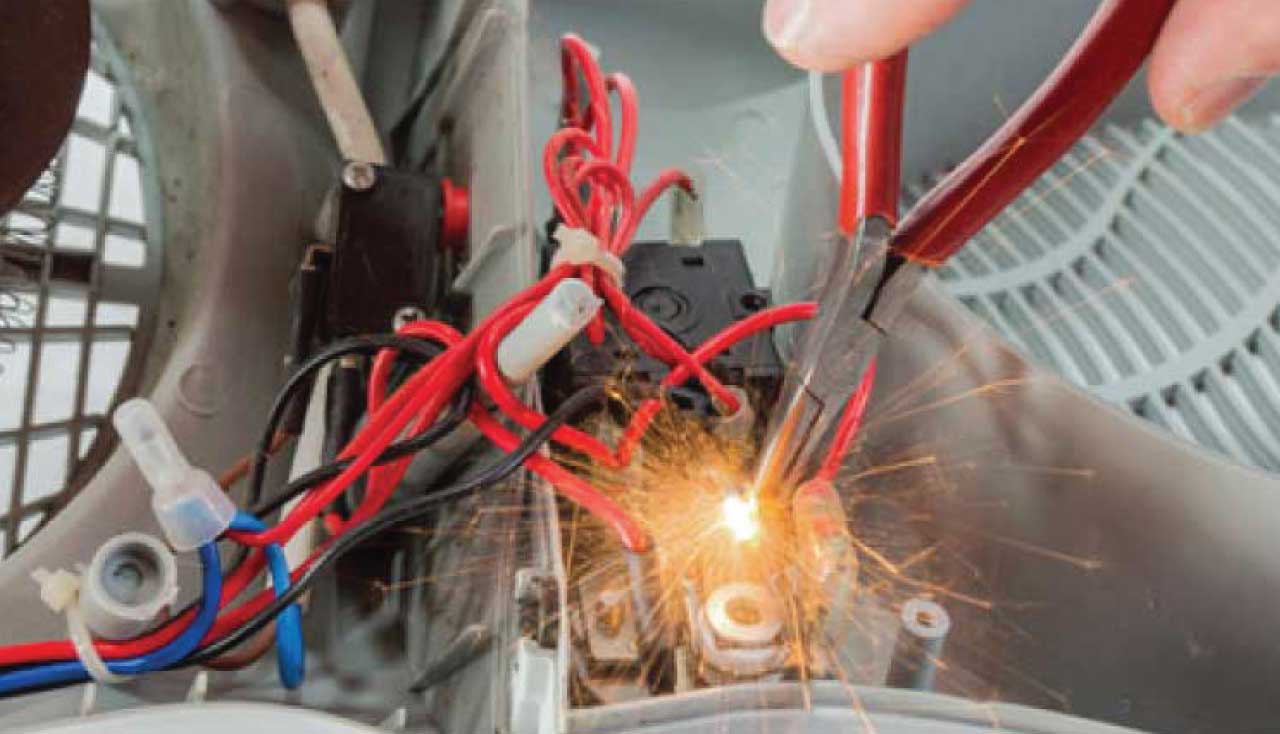
Electrical systems are rarely front of mind — until something goes wrong. Loose connections, overloaded circuits, or outdated wiring can exist for years without causing issues. But when they do fail, the consequences are serious.
Join The European Business Briefing
New subscribers this quarter are entered into a draw to win a Rolex Submariner. Join 40,000+ founders, investors and executives who read EBM every day.
SubscribeFires, electric shocks, and sudden power loss can all result from unseen faults. And if your building hasn’t been properly inspected, you could be held liable for damage, injury, or disruption.
What Is an EICR?
An Electrical Installation Condition Report (EICR) is a professional inspection of your electrical system. It checks for deterioration, damage, and any non-compliance with current safety regulations.
An EICR is not a visual once-over — it’s a thorough test carried out by a qualified electrician. They’ll assess the condition of your circuits, distribution boards, cabling, and more — and provide a detailed report highlighting any risks.
In many cases, it’s a legal requirement — especially for landlords, commercial premises, and public buildings.
Why It Matters More Than You Think
Ignoring or delaying an EICR can have real consequences.
Potential outcomes include:
- Fines for non-compliance
- Insurance claims being denied
- Risk of injury to staff or customers
- Business interruption due to electrical failure
- Legal action in the event of a serious incident
Most of these risks are preventable with regular checks — and they’re far less expensive than dealing with the fallout of a failure.
How Often Should You Get One?
The frequency depends on the type of property and its usage:
- Commercial buildings: every 5 years
- Industrial sites: every 3 years
- Rental properties: every 5 years or at change of tenancy
If you’ve recently taken over a new building or made significant changes to your layout or electrical systems, it’s a smart move to arrange a fresh inspection.
A provider that specialises in EICR testing can ensure your premises meet safety standards and remain compliant. With a clear report and practical recommendations, you’ll know exactly where you stand — and what needs to be done, if anything.
It’s About More Than Just Compliance
Yes, EICRs help you tick the legal boxes — but they also give you peace of mind. Knowing your electrical system is safe, up to code, and functioning properly means fewer surprises and more confidence in your business operations.
It also shows your team and customers that you take their safety seriously — something that goes a long way in today’s world.
Final Thoughts
Electrical compliance isn’t optional — and it certainly shouldn’t be an afterthought. Whether you’re managing a retail unit, an office block, or an industrial site, getting your EICR sorted is one of the smartest things you can do to protect your business.
The cost of an inspection is minor compared to the cost of disruption, legal issues, or putting people at risk. If you haven’t booked one recently, now’s the time to act.